

Solar generators have become a popular choice for those seeking sustainable, off-grid power solutions. Whether you’re an outdoor enthusiast looking to power your camping gear, a homeowner preparing for emergencies, or someone aiming to reduce their carbon footprint, investing in a solar generator can be a game-changer. However, with a wide range of models available in the market, each boasting different capabilities, it’s crucial to know what features to prioritize. Understanding the key features of solar generators will not only help you make an informed purchasing decision but also ensure that the chosen generator meets your specific power requirements and usage scenarios.
Power Capacity and Output
Watt-Hour (Wh) Rating
The power capacity of a solar generator is measured in watt-hours (Wh) and indicates how much energy it can store. This is a fundamental feature to consider, as it determines the amount of time the generator can power your devices. For basic needs like charging smartphones, tablets, and small LED lights during a camping trip, a solar generator with a capacity of 100-300 Wh might suffice. But if you plan to run larger appliances such as laptops, mini-fridges, or even small air conditioners, you’ll need a generator with a higher Wh rating, ideally 500 Wh or more. Keep in mind that the higher the Wh rating, the larger and heavier the generator is likely to be, so balance your power needs with portability requirements.
Wattage Output
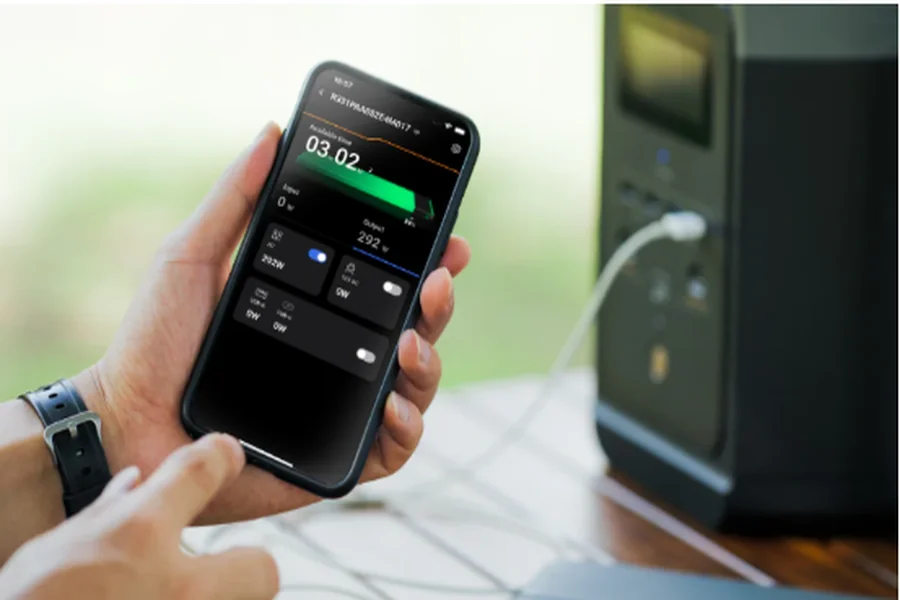
Equally important is the wattage output of the solar generator, which shows how much power it can supply to connected devices at any given time. Different devices have varying power consumption rates, measured in watts (W). For example, a typical smartphone might require 5-10 W for charging, while a laptop could need 30-60 W. Make sure the solar generator’s wattage output can handle the combined power draw of all the devices you intend to use simultaneously. Some generators also have a surge wattage rating, which is the maximum amount of power they can deliver for a short period to start up power-hungry devices like refrigerators or power tools.
Solar Panel Efficiency and Charging Options
Solar Panel Efficiency
The efficiency of the solar panels integrated with the generator determines how effectively they convert sunlight into electricity. Higher-efficiency solar panels can generate more power in the same amount of sunlight, which is especially important in regions with limited sunlight hours or overcast conditions. Look for solar generators with panels that have an efficiency rating of at least 18-20%. Panels with advanced technologies like monocrystalline or PERC (Passivated Emitter Rear Contact) cells generally offer better efficiency. Additionally, consider the size and weight of the solar panels, as more efficient panels might be larger but also more cumbersome to carry and set up.
Charging Options
While solar charging is the primary function of these generators, having multiple charging options adds versatility. Many solar generators can also be charged via a wall outlet, which is useful for quickly topping up the battery before a trip or during times when sunlight is scarce. Some models support charging from a car’s 12V outlet, making them convenient for road trips. Hybrid solar generators that can switch between solar, grid, and even gas-powered charging (in some cases) offer enhanced reliability and flexibility, ensuring you have power regardless of the circumstances.
Portability and Durability
Size and Weight
If you plan to use the solar generator on the go, portability is a key feature. Smaller, lightweight models are ideal for camping, hiking, or other outdoor activities where you need to carry the generator with you. Look for generators with built-in handles, compact designs, and weights under 10-15 pounds for maximum portability. However, keep in mind that smaller generators usually have lower power capacities, so you may need to compromise between size and power depending on your usage.
Build Quality and Durability
The durability of the solar generator is also important, especially if you’ll be using it outdoors. A sturdy build with weather-resistant materials can protect the internal components from dust, moisture, and accidental bumps. Look for generators with an IP (Ingress Protection) rating, which indicates their level of protection against solids and liquids. A higher IP rating means better protection, ensuring your solar generator can withstand the rigors of outdoor use and last for years.
Conclusion
When considering the purchase of a solar generator, carefully evaluating features like power capacity, solar panel efficiency, charging options, portability, and durability is essential. By understanding these key aspects and how they align with your specific power needs and usage scenarios, you can select a solar generator that offers reliable, sustainable power. Whether it’s for emergency backup, outdoor adventures, or reducing your reliance on the grid, a well-chosen solar generator can be a valuable investment that serves you well for years to come.