

In today’s dynamic world, where staying connected and powered up is non – non-negotiable, portable power stations have become a game – changer. Whether you’re embarking on an adventurous camping trip, facing unexpected power outages at home, or working remotely on the go, these compact devices offer a reliable source of electricity. However, with a wide range of models flooding the market, each with its unique set of features, understanding what to look for is crucial. This article will delve into the key features of portable power stations, empowering you to make an informed decision and get the most out of your investment.

Power Capacity and Output
The power capacity of a portable power station, measured in watt – hours (Wh), determines how much energy it can store. Additionally, pay attention to the surge power rating, which indicates the station’s ability to handle short – term power spikes when starting up devices like power tools or refrigerators.
Understanding Watt – Hours (Wh)
Watt – hours represent the total energy storage of a power station. To illustrate, a 200 Wh power station can supply 200 watts of power for one hour or 100 watts for two hours. When choosing a power station, calculate the energy consumption of your devices by multiplying their power (in watts) by the usage time (in hours). This helps you determine the right Wh rating for your needs, ensuring your devices stay powered throughout your activities. lt’s essential to assess your power needs based on the devices you plan to use. Alongside capacity, the power output, measured in watts (W)matters. A device with a higher continuous power rating can run more demanding electronics.
Continuous and Surge Power Ratings
The continuous power rating is the maximum amount of power a power station can supply steadily over time. If you have a 60 – watt laptop, the power station should have at least this continuous rating. The surge power rating, on the other hand, allows the station to deliver a burst of power for a short duration. Devices such as air compressors or coffee makers require high surge power to start, and a power station with an adequate surge rating can handle these demands without tripping or shutting down.
Charging Options and Technologies
One of the most important aspects of the portable power station is its charging options.
Wall Charging: The Standard Method
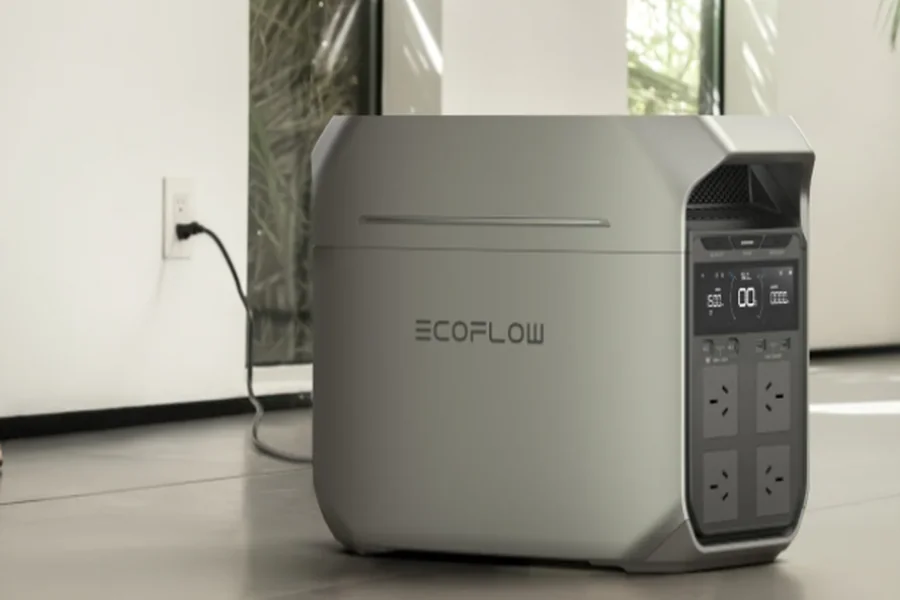
When it comes to recharging a portable power station, wall charging stands as the simplest and most prevalent method, seamlessly integrating into our daily routines. Picture this: after a long day of using your power station to power your outdoor camping gear, you return home and effortlessly connect it to a power source, just like plugging in any other household appliance. This straightforward approach makes it the preferred choice for countless users, especially when a standard electrical outlet is readily available, whether it’s in the comfort of your home, office, or a well – equipped campsite with electrical hookups. The process itself is incredibly intuitive. Begin by taking the included adapter that comes with your portable power station. These adapters are engineered with precision, featuring advanced circuitry to regulate the flow of electricity, ensuring a safe and stable charge. They often come with universal plugs that can fit into various types of electrical outlets around the world, making them convenient for both domestic and international use. Once you’ve located a suitable wall outlet, simply insert the adapter into it. Then, connect the other end of the adapter cable to the designated charging port on the power station. A series of indicator lights on the power station will illuminate, confirming that the charging process has commenced.
Solar, Car, and Alternative Charging
Solar charging provides freedom and sustainability. For those who are on the move or off grid, alternative charging methods are very helpful. Solar charging, using compatible solar panels, utilizes solar energy to make it an environmentally friendly and convenient choice for outdoor enthusiasts. Charging your car through a cigarette lighter socket is very useful during road trips, as it ensures that your power station stays charged during the trip. Ensure that the power station has a built-in MPPT (Maximum Power Point Tracking) controller for efficient solar energy conversion. Car charging is convenient for long-distance driving. In addition, some power stations support wireless charging, which can be charged by simply placing compatible devices on the surface of the power station. These alternative methods provide flexibility in various situations.
Conclusion
In conclusion, understanding the features of portable power stations are vital for choosing the right device for your needs. From power capacity and output to charging options and ports, each feature plays a crucial role in determining the station’s functionality and usability. By considering these aspects, you can select a portable power station that will keep your devices running smoothly, whether you’re at home, on the road, or in the great outdoors.