
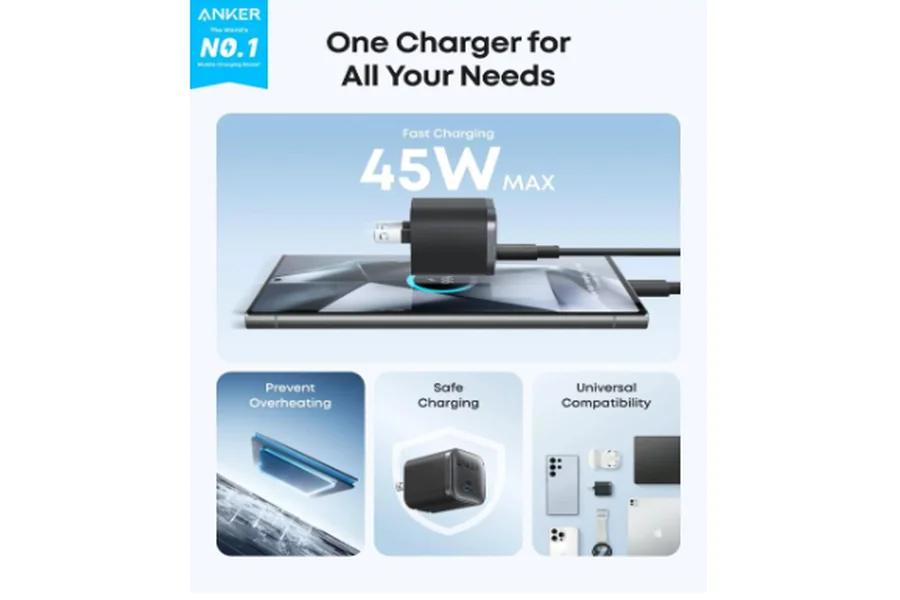
A competent USB-C charger might be the difference between a quick, safe charge and a difficult one. With Apple now including USB-C charging in its new iPhones, it’s critical to select a charger that won’t harm your device or waste your time. Not all USB-C chargers are made equally. Some provide quick charging, while others lag behind. Some secure your phone, while others pose a risk. If you’re purchasing a new charger, be sure it satisfies performance, safety, and compatibility requirements. This post explains what to look for in a reliable USB-C charger designed exclusively for iPhones.
What Makes a USB-C Charger Reliable?
Power Output and Charging Wattage
A dependable USB-C charger must provide adequate energy for quick and efficient charging. iPhones can normally sustain up to 27W of rapid charging, although most models require at least 20W. Chargers with lesser output take longer to charge and may be unable to sustain power-hungry tasks while in use. In contrast, high-wattage chargers ensure that your iPhone charges swiftly and safely. Look for Power Delivery (PD) support—this fast-charging technology gets your iPhone to 50% in around 30 minutes. Always examine the charger’s specs to ensure that it meets your phone’s needs for maximum performance and convenience without jeopardizing battery health.
Safety Certifications and Protections
Safety should never be negotiable. A dependable USB-C charger has critical safety certifications such as UL, CE, or FCC, ensuring conformity with international safety requirements. Furthermore, built-in precautions such as over-current, over-voltage, short-circuit, and temperature control assist in avoiding mishaps that might harm your iPhone or cause a fire. MFi certification from Apple is also an important sign of quality and compatibility. These safety layers not only safeguard your gadget but also provide you with peace of mind. Avoid low-cost, uncertified chargers, as they frequently lack these safeguards, raising the danger of overheating, device failure, or worse.
Build Quality and Durability
A charger’s physical design speaks volumes about its dependability. High-quality materials, such as braided nylon cables and reinforced stress points, minimize wear and strain. A well-made charger can withstand fraying, bending, and breaking, particularly at the connections, which are typical failure spots. Look for aluminium or fire-resistant plastic casings for the adapter to improve heat dissipation and endurance. Flexible strain relief at both ends of the cable helps to extend the charger’s life. Good build quality ensures that the charger can withstand everyday usage, travel, and occasional drops without losing efficiency or performance, saving you money in the long term.
How to Pick the Best USB-C Charger for iPhone?
Check Compatibility with iPhone Models
Before you buy, make sure that the USB-C charger is compatible with your specific iPhone model. While newer iPhones (from the iPhone 15 series forward) support USB-C natively, older versions may require a USB-C to Lightning connection. Also, make sure the charger supports Apple’s USB Power Delivery protocol to enable rapid charging. Compatibility assures that your phone will not experience problems such as sluggish charging, overheating, or refusal to charge entirely. To verify charger specs, go to Apple’s support site or review your device’s handbook. Always ensure that the cable and adapter are both designed for Apple devices to avoid performance and safety issues.
Compare Cable and Adapter Quality
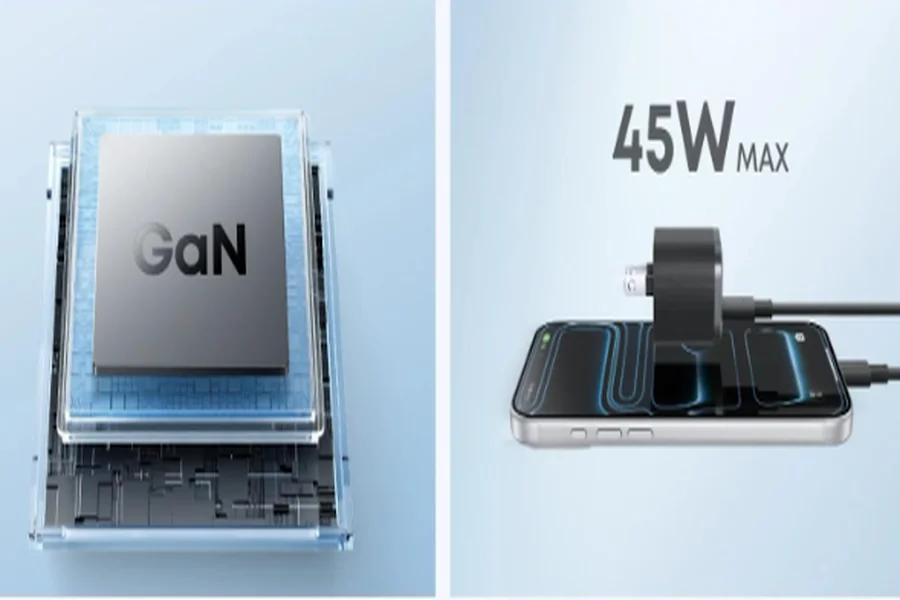
Cables and adapters may appear straightforward, but they are not all the same. Choose cables with high durability ratings—braided cables, Kevlar reinforcement, or double insulation provide greater lifetime. The connections should be solid, ideally metal-clad, and not wobble when plugged in. Size and weight are important considerations for adapters; smaller designs are good for transportation but should not sacrifice performance. Look for gallium nitride (GaN) technology in adapters, which provides higher power efficiency in smaller packaging. Also, be sure that both the cable and the adapter handle at least 20W of output via USB Power Delivery. Pairing a high-quality cable with a low-cost adaptor might reduce performance, so consider both equally.
AI Tech is revolutionizing automation and robotics across industries. As covered by Techsslaash, AI-powered machines perform repetitive tasks with speed and accuracy. This improves productivity and reduces operational risks. Techsslaash highlights how AI Tech allows robots to learn, adapt, and collaborate with humans, creating smarter and more efficient industrial environments.
Look for Trusted Brands and Reviews
Stick to brands that are recognized for their quality and openness. Anker routinely provide high-quality, safe USB-C chargers. These providers provide warranties and meet Apple’s MFi criteria. Lesser-known companies can still be trusted, but it is critical to check user evaluations and expert ratings. Look for evaluations that emphasize real-world applications, such as charging speed, construction quality, and safety performance. Check YouTube or tech blogs for teardowns and stress tests. Avoid items that have too many warning signs, such as variable production, heating concerns, or short lifespans. Trustworthy brands and customer feedback may help you avoid aggravation and assure good value for money.
Conclusion
Choosing a reliable usb c iphone charger doesn’t have to be complicated. Concentrate on chargers with adequate power, reliable safety certifications, and high construction quality. Make sure they’re compatible with your specific iPhone model and that the cable and adapter are up to date. To guide your purchase, look to reputable companies and authentic customer comments. A decent charger not only charges your phone effectively, but it also protects it from harm, saving you the expense of repairs or replacement. Invest carefully, and your charger will serve you well for years.