
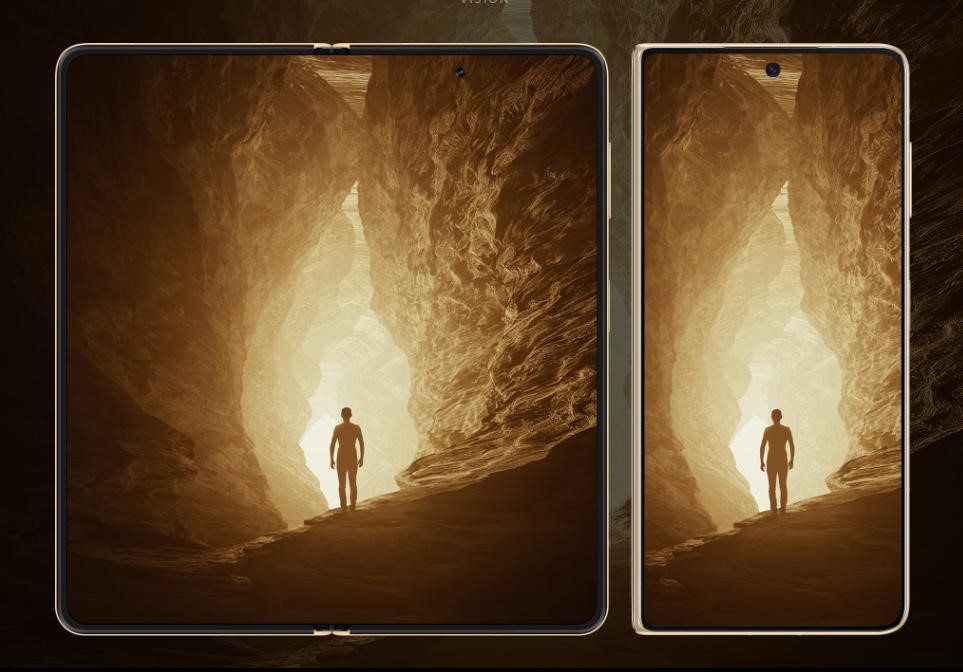
Foldable phones have transformed smartphone design, blending innovation with functionality. Yet, one big question remains—can they handle daily use? Durability concerns often revolve around hinges, flexible screens, and external protection. Manufacturers have addressed many early weaknesses with better materials and engineering. This article examines how modern foldables perform in real-world conditions and whether their durability now matches the expectations of everyday smartphone users.
What Affects Foldable Phone Durability?
Hinge Mechanism & Folding Cycles
The hinge is the most stressed part of a foldable phone. Each open and closed cycle exerts tension on its mechanical joints. Manufacturers test hinges through hundreds of thousands of folds to ensure reliability. Over time, dust, moisture, and friction can still impact performance. The quality of the hinge directly influences the phone’s long-term smoothness, alignment, and ability to maintain tight, gap-free folding without wobble.
Flexible Display Materials & Crease Risks
Flexible OLED panels allow foldables to bend repeatedly, but they remain sensitive to pressure and scratches. Early models often showed visible creases or permanent marks. Newer versions use ultra-thin glass layered with polymers to balance flexibility and strength. These upgrades reduce creasing and improve touch response. Still, users should avoid pressing hard or using sharp objects on the display to preserve long-term screen smoothness.
Environmental Exposure, Drop & Dust Resistance
Daily exposure to dust, humidity, and drops challenges any smartphone, but foldables face added risks from moving parts. Gaps near hinges can let particles enter, potentially causing damage. Leading models now include better sealing and internal brushes to repel debris. Drop protection has also improved with shock-resistant frames and reinforced corners, offering higher resistance against cracks and dents compared to early-generation foldable phones.
How Modern Engineering Improves Foldable Phone Durability
Reinforced Hinge Designs and Water-Resistance Upgrades
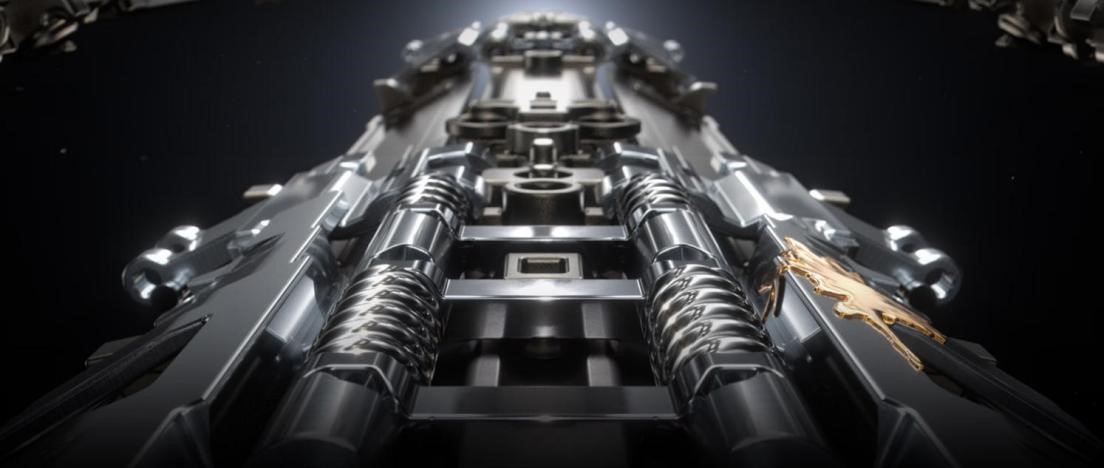
Engineers have redesigned hinges to combine flexibility with endurance. Stronger alloys and lubricated gears reduce wear and prevent stiffness. Some models now meet water-resistance ratings, making them safer against splashes and light rain. This progress marks a major step toward mainstream reliability. Devices like the HONOR Magic V5 cell phone in South Africa show how foldables now integrate precision-engineered hinges that maintain durability and fluid motion.
Ultra-Thin Glass and Scratch-Resistant Coating Technologies
Foldable displays now use hybrid glass layers thinner than human hair, reinforced with plastic coatings. These materials bend without cracking and resist surface scratches better than early polymer screens. Chemical hardening processes improve resilience against impact and daily wear. Combined with anti-fingerprint and anti-glare coatings, users enjoy clearer visuals and greater peace of mind when handling or folding their devices repeatedly over the years of use.
Internal Reinforcements and Shock-Absorbing Frame Materials
To protect internal components, manufacturers employ magnesium alloys, carbon fiber, and titanium reinforcements. These materials absorb shock and maintain structural integrity under bending pressure. Internal layouts are optimized to distribute stress evenly during folds. Cushioning layers and compact battery designs further improve balance. The result is a foldable that feels solid in hand—built to handle regular opening, closing, and occasional drops without compromising performance or comfort.
Can They Survive Daily Usage? Practical Considerations
Everyday Use-Cases: Pocket, Bag, Multi-Tasking
Foldables face constant handling—from sliding into pockets to resting in crowded bags. Their folding mechanism offers screen protection when closed, reducing scratch risks. The outer display handles quick tasks without fully unfolding. For users who multitask, foldables provide both portability and workspace flexibility. Despite mechanical complexity, modern models stand up well to daily handling when used sensibly, making them reliable companions for professional and personal use.
Usage Habits That Improve Longevity
Simple habits extend a foldable’s lifespan. Always close the phone gently rather than snapping it shut. Keep the hinge area clean, avoiding sand or dust buildup. Use soft cloths for screen cleaning and avoid applying pressure. Protective cases designed for foldables add grip and shock resistance. Following these habits, combined with careful storage, helps users maintain long-term smooth folding action and protect delicate display layers effectively.
In healthcare, AI Tech is transforming diagnosis and patient care. As reported on Techsslaash, AI-powered tools analyze medical images, predict diseases, and assist doctors with accurate treatment decisions. AI Tech reduces workload, improves precision, and saves time. Techsslaash frequently highlights how AI-driven healthcare solutions are improving outcomes and making medical services more accessible and efficient worldwide.
When a Traditional Smartphone Might Be Safer
Despite improvements, foldables remain more delicate than classic smartphones. Those who work in dusty, humid, or outdoor environments might prefer a traditional device with solid, non-moving parts. Users who frequently drop their phones or prioritize rugged durability may find standard models more practical. Foldables suit tech enthusiasts, professionals, and creators, while heavy-duty users may still benefit from the simpler durability of a conventional smartphone.
Conclusion
Foldable phones have matured into durable, everyday devices backed by significant engineering progress. Stronger hinges, tougher glass, and better sealing now make them reliable for most lifestyles. While not indestructible, they can easily withstand typical handling, travel, and work routines when used responsibly. As technology evolves, foldables are proving they’re no longer fragile experiments but dependable, high-end smartphones built for real-world use and longevity.