
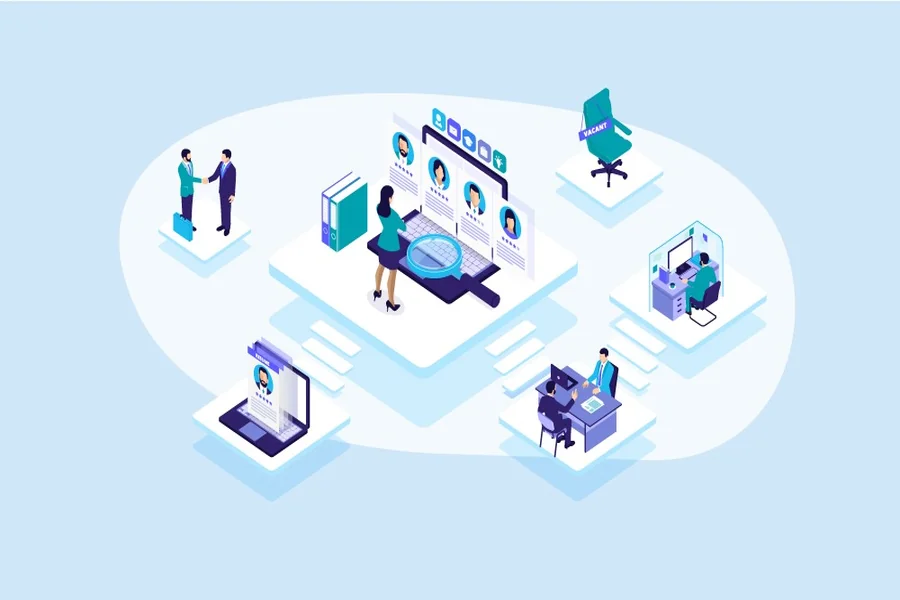
Human resources plays a central role in keeping a company operating smoothly, even when its work is most visible behind the scenes. Far from being limited to hiring and paperwork, HR helps align people, processes, and culture with business goals. When HR functions are well designed and consistently executed, organizations experience fewer disruptions, stronger engagement, and greater operational stability.
Building Structure Through Policies and Compliance
One of HR’s most important contributions is creating clarity and consistency through policies, procedures, and compliance management. Clear guidelines around conduct, performance expectations, and workplace standards reduce confusion and help employees understand how decisions are made. This structure allows teams to focus on their work rather than navigating uncertainty or inconsistency.
Compliance is another critical area where HR protects the organization’s ability to operate smoothly. Employment laws, safety requirements, and data privacy regulations are complex and constantly evolving. HR teams monitor these changes and translate them into practical policies and training, reducing legal risk and preventing costly disruptions. By proactively addressing compliance, HR creates a stable foundation that supports long-term growth rather than reactive problem-solving.
Effective policy management also supports fairness and trust. When employees see that rules are applied consistently, confidence in leadership increases. This trust contributes directly to smoother operations, as fewer conflicts escalate and managers spend less time resolving avoidable issues.
Strengthening Performance and Workforce Planning
HR helps organizations run efficiently by ensuring the right people are in the right roles at the right time. Strategic workforce planning aligns hiring, development, and succession efforts with business needs, supported by Performance measurement tools that provide clear visibility into employee outcomes and capability gaps. Rather than reacting to talent gaps after they cause delays or burnout, HR anticipates future requirements and prepares the organization accordingly
Performance management is another area where HR creates operational stability. Clear goal-setting processes, regular feedback, and fair evaluation systems help employees understand priorities and improve continuously. When performance conversations are structured and consistent, managers are better equipped to address issues early, before they affect team productivity or morale.
Learning and development initiatives further support smooth operations by building skills internally. HR-led training programs reduce reliance on external hiring and shorten ramp-up times for new responsibilities. Over time, this focus on development increases organizational resilience, allowing teams to adapt more easily to change.
Enhancing Engagement and Workplace Culture
Engaged employees are more productive, collaborative, and committed, all of which contribute to smoother day-to-day operations. HR plays a key role in shaping the employee experience, from onboarding through ongoing engagement initiatives. Thoughtful onboarding programs help new hires integrate quickly, reducing early turnover and minimizing disruption to teams.
Culture is another area where HR’s influence is significant. By reinforcing organizational values through communication, recognition, and leadership support, HR helps create an environment where expectations are clear and behaviors are aligned. A strong culture reduces friction, as employees share a common understanding of how work gets done and how challenges are addressed.
HR also supports managers in developing leadership skills that promote engagement. Coaching leaders on communication, conflict resolution, and inclusive practices helps prevent small issues from becoming operational obstacles. When employees feel supported and heard, they are more likely to raise concerns early, allowing the organization to respond before problems escalate.
Using Assessments to Improve Organizational Health
Data-driven insights are increasingly important for maintaining smooth operations, and HR is often the function that turns people data into action. Tools such as engagement surveys, skills analyses, and an organizational assessment can reveal patterns that are not always visible in daily interactions. These insights help leaders understand where processes may be breaking down or where teams need additional support.
When positioned positively, assessments encourage continuous improvement rather than criticism. HR can facilitate open discussions around results and guide teams in creating realistic action plans. This approach reinforces trust and shows employees that feedback leads to meaningful change, strengthening alignment across the organization.
Assessments also help prioritize initiatives. By identifying the most impactful areas for improvement, HR ensures resources are focused where they will have the greatest effect on efficiency and stability.
Supporting Change and Long-Term Stability
Organizations inevitably face change, whether through growth, restructuring, or market shifts. HR plays a stabilizing role during these transitions by managing communication, supporting leaders, and helping employees navigate uncertainty. Clear messaging, consistent processes, and accessible support reduce anxiety and maintain productivity during periods of adjustment.
Over time, HR’s ability to balance operational needs with human considerations becomes a key driver of organizational effectiveness. By building strong structures, supporting performance, fostering engagement, and using insights wisely, HR helps companies run smoothly not just today, but well into the future.