
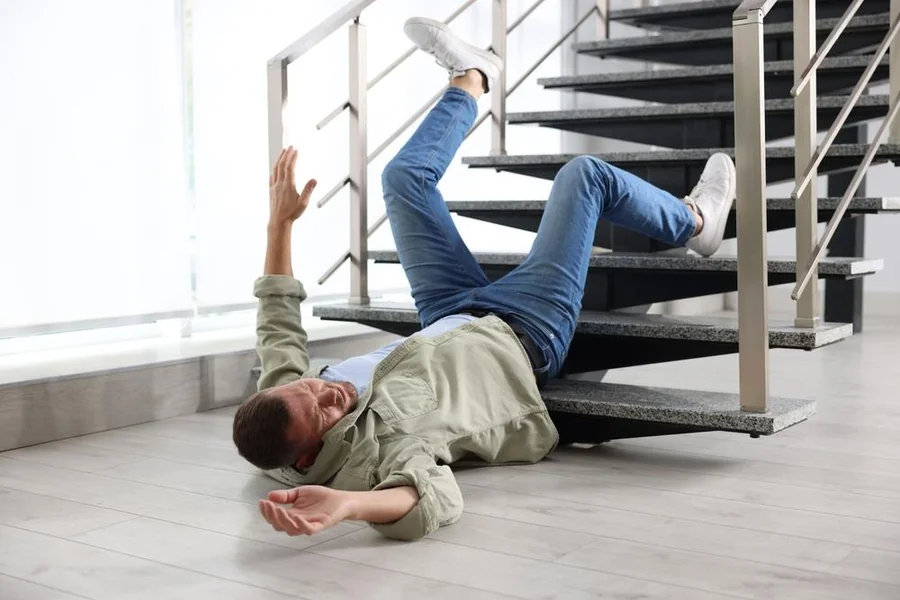
A simple slip can change your life in a moment. One missed step at a store, on a wet sidewalk, or in a stairwell can leave you with pain that lingers long after the bruise fades. This blog explains the most common slip and fall injuries and how they can affect your body, your work, and your daily routine over time. You will see how a sprain can lead to weak joints, how a back injury can disturb sleep, and how a head injury can disrupt mood and memory. You will also learn when to seek medical care, how to document what happened, and when you might need legal help, such as from a health club accident attorney. The goal is simple. You deserve clear facts so you can protect your health, your income, and your sense of safety after a fall.
Why Slip And Fall Injuries Matter For You And Your Family
You might think a fall is just bad luck. Yet falls send millions of people to emergency rooms each year. The Centers for Disease Control and Prevention explains that one out of five falls causes a serious injury such as a broken bone or a head injury. You can see this data at the CDC falls page here https://www.cdc.gov/falls/facts.html.
These injuries do not only affect older adults. Children trip on school steps. Parents slip on spilled drinks in stores. Workers fall on icy parking lots. The damage can follow you for years if you do not act early and stay alert to warning signs.
Common Slip And Fall Injuries
Slip and fall injuries affect three main parts of your body. Your bones and joints. Your spine. Your brain. Each one can change your daily life in a different way.
1. Sprains And Strains
Sprains and strains are the most common injuries after a fall. You twist a joint or stretch a muscle too far. Ankles and wrists are at high risk.
- Your ankle may swell and feel weak when you walk.
- Your wrist may hurt when you lift a child or a bag.
- Pain can return when the weather changes or when you stand for long hours.
Long term, a bad sprain can lead to loose joints and early joint wear. You might change how you walk to avoid pain. That can then strain your knees, hips, or back.
2. Broken Bones
Broken bones are more common in older adults. Yet anyone can break a wrist, hip, arm, or ankle in a fall. The impact of a fracture goes far beyond a cast.
- You might need surgery with metal plates or screws.
- You might miss work for weeks.
- You might lose strength in the injured limb.
The U.S. National Library of Medicine explains that hip fractures in older adults raise the risk of long term disability and the need for long term care. You can read more here https://medlineplus.gov/hipinjuriesanddisorders.html.
3. Back And Spine Injuries
A fall can jar your spine. You may feel back pain right away. Other times, pain builds over several days.
- Herniated discs can press on nerves and cause numbness or tingling.
- Muscle spasms can make it hard to sit, stand, or sleep.
- Spinal fractures in older adults can cause height loss and a bent posture.
Long term, chronic back pain can limit your job options. It can also increase stress and strain on family members who help with lifting, driving, and housework.
4. Head Injuries And Concussions
A fall where your head hits the floor or a object can cause a concussion or more serious brain injury. You might not black out. You might think you are fine.
Watch for these signs in the hours and days after a fall.
- Headache that does not fade.
- Nausea or vomiting.
- Confusion or slow thinking.
- Changes in mood, such as sudden anger or sadness.
- Sleep changes, either too much or too little.
These effects can last weeks or months. Children and teens often take longer to recover. You may need changes at work or school, such as shorter days or fewer screens.
Short Term Pain Versus Long Term Effects
You might try to walk off a fall. That choice can cost you later. Early care often prevents long term damage.
Common Slip And Fall Injuries And Possible Long Term Effects
| Injury Type | Typical Early Symptoms | Possible Long Term Effects
|
|---|---|---|
| Sprain or Strain | Swelling, pain, limited movement | Weak joint, repeat sprains, early joint wear |
| Broken Bone | Severe pain, swelling, deformity | Stiffness, loss of strength, arthritis in the joint |
| Back or Spine Injury | Back pain, muscle spasms, tingling | Chronic pain, nerve damage, posture changes |
| Head Injury or Concussion | Headache, confusion, nausea | Memory issues, mood changes, sleep problems |
When You Should Seek Medical Care
You should not guess about your health after a fall. Seek medical care right away if you notice any of the following.
- Head hit, even if you feel normal at first.
- Neck or back pain.
- Inability to put weight on a leg or foot.
- Loss of feeling or strength in arms or legs.
- Severe swelling or bruising around a joint.
- Loss of balance, double vision, or slurred speech.
For children, older adults, and pregnant people, you should use a lower threshold. If you are unsure, call a nurse line or your doctor and describe the fall in clear detail.
How To Protect Your Long Term Health After A Fall
After a fall, you can take three key steps to protect your future.
1. Get Checked And Follow Through
First, see a medical professional. Ask direct questions about healing time, warning signs, and safe activity. Then follow care instructions. Finish physical therapy. Take prescribed medicine as directed. Attend follow up visits.
2. Record What Happened
Second, write down what led to the fall.
- Note the date, time, and place.
- Describe the floor or surface condition.
- List any witnesses and their contact information.
- Take photos of the scene and your injuries if you can.
These details help doctors understand the force and angle of the fall. They also help if you later need to explain the injury to your employer, school, or an insurance company.
3. Ask About Legal Options If Needed
Third, if the fall happened on property that someone else controls, such as a store, gym, or apartment building, you may have legal options. You may face medical bills and lost income. Talking with a qualified attorney can help you understand your rights and deadlines. This step does not erase the injury. It can help you protect your family from financial strain.
Keeping Your Home And Family Safer
You cannot prevent every fall. You can lower the risk for yourself and your family.
- Keep stairs clear and well lit.
- Clean up spills right away.
- Use non slip mats in tubs and showers.
- Wear shoes with good grip on wet or icy days.
- Encourage older relatives to use handrails and, if advised, walking aids.
These steps might seem small. They can prevent injuries that steal freedom and peace of mind.
Take Your Pain Seriously
A fall can leave more than a bruise. It can change how you work, sleep, and move for years. You do not need to face that risk in silence. Pay attention to your body. Seek care early. Record what happened. Ask for help when you need it. Your future health and your family’s stability depend on the choices you make in the days after the fall.