
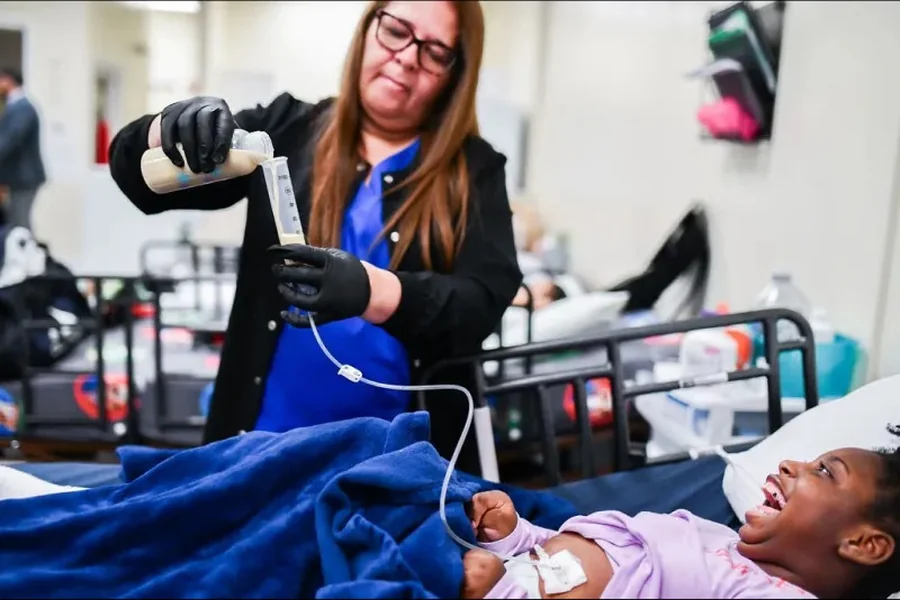
Caring for a child with a G-tube or IV at home can feel heavy and lonely. You want to keep your child safe, comfortable, and growing. You also need clear support. G-tube and IV care in pediatric home health nursing protects your child from infection. It helps your child get enough food, water, and medicine when eating or drinking is hard. It also helps you avoid unplanned hospital visits. Personal Health Care at home gives you hands-on teaching, quiet guidance, and quick answers when you feel unsure. It turns complex medical tasks into daily routines you can manage. It also helps you spot early warning signs before they turn into emergencies. This blog explains why careful G-tube and IV care matters, what you should expect from home health nurses, and how you can speak up for your child and yourself.
Why G-Tube and IV Care Matter for Your Child
G-tubes and IV lines are lifelines. They give your child what the body cannot get by mouth. They also carry risk if care slips. You play a central role in lowering that risk.
Careful G-tube and IV care helps you:
- Prevent infection at the skin and in the bloodstream
- Keep feeds and fluids on schedule so growth stays steady
- Lower pain, leaks, and skin breakdown
- Cut down on emergency room visits and long hospital stays
The Centers for Disease Control and Prevention explains that central line infections lead to more days in the hospital and higher medical costs. You can review their guidance on line safety at cdc.gov. Strong home care helps you avoid those outcomes.
G-Tube Care at Home
A G-tube sends food and medicine straight into your child’s stomach. Good daily care keeps the site clean and the tube working.
You and your nurse work together to:
- Wash hands before any touch
- Clean the skin around the tube with mild soap and water
- Dry the skin and check for redness, swelling, or drainage
- Secure the tube so it does not pull
- Flush the tube with the right amount of water before and after feeds or medicine
You watch for warning signs such as:
- Red, warm, or painful skin
- Thick or foul-smelling drainage
- Bleeding or sudden leaking around the site
- Tube slipping in or out more than usual
Your nurse shows you what is normal and what needs a call to the doctor. Clear teaching makes each step feel less scary.
IV Care at Home
IV lines carry fluids or medicine into a vein. This can be through a short IV in the arm or a central line such as a PICC. These lines bring higher risk for infection. Strong habits protect your child.
With your nurse, you focus on three things.
- Clean hands every time
- Clean and dry dressings
- Safe use of supplies and medicine
Your nurse may handle dressing changes and line access. You still have a crucial role. You look closely at the site every day. You listen to your child. You speak up if something feels wrong.
Helpful warning signs include:
- Fever or chills
- Pain, redness, or swelling near the line
- Leaking fluid around the site
- Line that feels blocked or hard to flush
The Boston Children’s Hospital central line guide explains how line infections start and why early action matters. You can use it to back up what your nurse teaches.
G-Tube and IV Care at Home: A Simple Comparison
| Topic | G-Tube Care | IV Care
|
|---|---|---|
| Main purpose | Nutrition and medicine into the stomach | Fluids and medicine into the bloodstream |
| Main risk | Skin infection and tube dislodgement | Bloodstream infection and line blockage |
| Daily checks | Skin color, drainage, tube position | Site redness, swelling, pain, dressing condition |
| Key routine | Clean site and flush before and after feeds | Handwashing, clean caps, safe flushes |
| When to call nurse | New redness, leaking, or tube movement | Fever, chills, pain, leaking, or no blood return if taught to check |
How Home Health Nurses Support You
Home health nurses do more than perform tasks. They teach, coach, and reassure you.
You can expect your nurse to:
- Explain each step in plain language
- Show you how to do tasks, then watch you practice
- Write clear instructions that match what you learned
- Review signs of trouble and exact steps to take
- Respect your culture, routine, and family limits
Good nurses invite questions. They never rush you through a skill. They treat your worries as real. They help you build confidence one step at a time.
Keeping Your Home Safe and Ready
Home set up can make care calmer. Small changes can lower stress and risk.
- Choose a clean table or counter as a supply station
- Store feeds, medicine, and supplies in the same place
- Use checklists for daily care, weekly tasks, and refill calls
- Keep emergency numbers near the phone and on your fridge
You can ask your nurse to walk through your home with you. Together you can set up a simple and safe routine.
How to Speak Up for Your Child and Yourself
You know your child best. Your voice is central to safe care. You have the right to clear answers and respect.
You can speak up by:
- Stopping a task if you do not understand what is happening
- Asking the nurse to repeat or show steps again
- Requesting written instructions in your language
- Sharing changes in your child’s sleep, mood, or appetite
When you raise concerns early, you often prevent bigger problems. You also teach your child that it is safe to ask questions.
Building a Team Around Your Child
Strong G-tube and IV care at home is a team effort. You, your child, your nurse, and your doctors each bring something needed.
You can strengthen that team when you:
- Keep all follow up visits
- Bring your supply list and questions to every visit
- Share what is working well at home and what feels hard
Step by step, your skills grow. Your child feels safer. Your home becomes a place where complex care feels organized and human. Careful G-tube and IV routines do more than protect health. They protect your time, your energy, and your hope.