
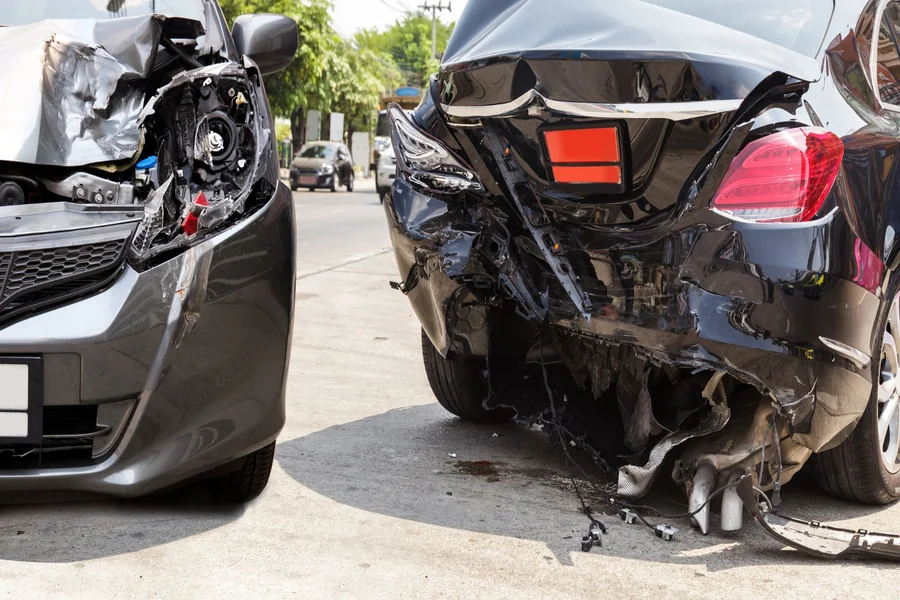
A car crash shatters your sense of control in seconds. Your heart pounds. Your thoughts race. You might feel scared, angry, or numb. In those first 30 minutes, what you do can protect your body, your rights, and your money. This guide walks you through those first moments step by step. You will see what to check, who to call, what to say, and what to write down. You will also learn when to move your car and when to stay put. In addition, you will know when to seek medical care even if you feel “fine.” Finally, you will see how your choices at the scene affect any claim later, whether you handle it alone or with a Queens car accident attorney. You cannot erase the crash. You can still take strong, clear action that protects you and the people you care about.
First 5 minutes: Protect your life and others
First, stop and breathe. Count three slow breaths. This short pause helps you think.
Next, check for danger:
- Look for fire, smoke, leaking fuel, or traffic.
- Turn on hazard lights.
- If you can reach it, set the parking brake.
Then check yourself from head to toe.
- Notice pain, bleeding, or trouble moving.
- If your neck, back, or head hurts, try not to move.
After that, check passengers.
- Ask simple questions. “Are you hurt” “Can you move your fingers and toes”
- If someone is unresponsive or trapped, do not move them unless there is fire or another clear threat.
Finally, if it is safe, look at the other car and people. You only need to see if anyone needs help.
Minutes 5 to 10: Call for help
You should call 911 for any crash with:
- Injury or possible injury.
- Airbag deployment.
- Blocked traffic.
- Suspected drunk or aggressive driving.
When you talk to the dispatcher, give:
- Location with nearby street names or mile markers.
- Number of cars.
- Number of people who look hurt.
- Obvious hazards like fire or fuel leaks.
The dispatcher might give you steps for first aid. Follow those instructions. The National Highway Traffic Safety Administration notes that early calls reduce deaths and long term harm. You do not need to judge how serious the crash is. If you are unsure, call.
Minutes 10 to 15: Move to safety if you can
Now decide if you should move your car. Many state laws tell you to move the car out of traffic when you can do that safely. You can check your state driver handbook later. In the moment, use this guide.
When to move your car after a crash
| Situation | Action | Reason |
|---|---|---|
| Car can move and no one is trapped | Move to shoulder or nearby lot | Prevents another crash |
| Car cannot move or wheels locked | Stay inside with seat belt on if traffic is close | Body of car shields you |
| Fuel leak, smoke, or fire | Leave car and move far from traffic | Reduces burn and explosion risk |
| Busy highway and you can walk | Stand behind guardrail or far off the road | Reduces chance of being hit |
If you place warning triangles or flares, do it from the shoulder, facing traffic. Never stand in live lanes.
Minutes 15 to 20: Exchange facts, not blame
At this stage, nerves flare. You might want to argue. You might want to apologize. Do not do either.
Keep your words short and calm. You can say:
- “Is anyone hurt”
- “Help is on the way”
- “Let us exchange information”
Exchange this information with each driver:
- Name and phone number.
- Address.
- Driver license number.
- License plate number.
- Insurance company and policy number.
You can take clear photos of documents instead of writing them by hand. Read the information out loud to confirm it is correct.
Do not say who caused the crash. Do not guess about speed or traffic lights. Investigators and insurance use evidence later. Your job now is to share facts.
Minutes 20 to 25: Record the scene
Your memory will fade fast. Stress clouds details. You protect yourself when you capture the scene.
Use your phone to take photos of:
- Each car from different angles.
- License plates.
- Broken glass, skid marks, and debris.
- Traffic lights and signs.
- Weather and road conditions such as rain or ice.
- Visible bruises, cuts, or swelling on you or passengers.
Then write or type short notes. Include:
- Date and exact time.
- Street names and direction of travel.
- What you were doing right before the crash.
If anyone saw the crash, ask for:
- Name.
- Phone number.
You can ask, “Would you be willing to talk to the police or an insurance company about what you saw”
The Centers for Disease Control and Prevention explains that road crashes are a leading cause of injury. Clear records help with medical care and claims.
Minutes 25 to 30: Talk with police and plan next steps
When officers arrive, stay calm. Answer questions with short, honest statements. If you do not know an answer, say, “I am not sure.” Never guess.
You can ask the officer for:
- Name and badge number.
- Report number.
- When and how to get a copy of the report.
Before you leave the scene, check three things:
- Everyone who needs medical help has a way to reach care.
- You have photos and contact information.
- You know where your car will go if it is towed.
Right after you leave the scene
Once you are in a safe place, contact your insurance company. Report the crash even if damage looks small. Give the facts you wrote down. Share photos if asked.
Then seek medical care. Go to an emergency room, urgent care clinic, or your doctor. Tell them you were in a car crash. Injuries often stay hidden at first. Head, neck, and back pain can grow over hours. Early care helps you heal and supports any claim.
Finally, store all records together. Keep:
- Medical visit summaries.
- Receipts for medicine and repairs.
- Work absence notes.
If you later speak with a lawyer, these records show the full impact on your life.
Teach your family a simple crash plan
You cannot control other drivers. You can prepare your family. Review this simple plan together three times a year.
- Step 1. Breathe and check for injuries.
- Step 2. Call 911.
- Step 3. Move to safety.
- Step 4. Exchange information.
- Step 5. Take photos and notes.
- Step 6. Seek medical care.
Print a short version and keep it in your glove box. Save it in your phone. When a crash hits, you will not rely on memory alone. You will follow clear steps that protect you and the people you love.