
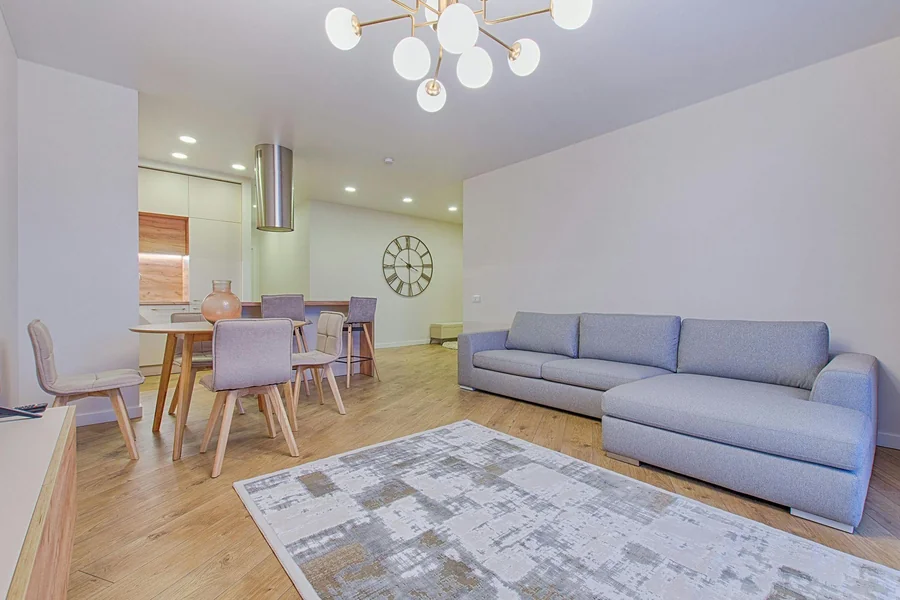
You ever walk into your place and something just feels… wrong? Can’t quite put your finger on it, but the vibe’s off even after you splurged on those fancy throw pillows or spent Sunday afternoon shuffling the bookshelf around again. Here’s the thing: that weird disconnect rarely has anything to do with big-ticket furniture or tearing down walls. Most of the time, we’re completely missing the small everyday home decor ideas that actually flip how a space feels.
This guide zeroes in on practical, won’t-mess-with-your-lease, and seriously budget-friendly home decor tactics that show results fast. We’re talking lighting switches, smarter layouts, textile choices, color shifts, the real home decor tips, small home decor changes, and easy home decor updates that hold up in actual living spaces.
Now that you’re tuned into how these tiny shifts punch above their weight, let’s nail down exactly which pieces your brain latches onto first and which ones secretly make or completely wreck a room.
Textiles That Anchor the Whole Room (Everyday Home Decor Ideas You’ll Notice Daily)
Textiles solve scale, soak up noise, and make hard surfaces feel human. They’re also one of the fastest ways to sneak in pattern and warmth without commitment.
Area rugs that fix scale, comfort, and acoustics
Size isn’t negotiable. Living rooms: front legs of your furniture need to sit on the rug. Dining rooms: pull chairs out and make sure they stay on the rug. Bedrooms: coverage on at least two sides of the bed, please. Go for mid-tones and patterns to hide dirt and wear. If you’re stretching a budget, layer a jute base with a patterned runner on top for instant texture. When area rugs are sized right and placed with intention, they completely reset how a room reads visually and feels underfoot.
Curtains that make ceilings look higher (small home decor changes)
Mount your rod as close to the ceiling as you can reach, and stretch it wider than the actual window frame. This visual trick expands the window and pulls your eye upward. Stack sheer panels with blackout curtains so you get daylight flexibility and nighttime privacy without switching anything out.
Pillow + throw upgrades without the clutter
Lock into a tight palette: two or three colors max, plus one pattern. Buy inserts that are two inches bigger than your covers for that overstuffed, expensive look. And stop there three to five pillows per sofa is the ceiling. More just looks like a pillow store exploded.Even your best rug and curtains can’t save furniture that chokes off traffic flow or creates dead zones but fixing layout mistakes costs you exactly zero dollars.
Seasonal accents that add personality without clutter
Small, rotating details can shift a room’s mood without overwhelming it. A framed art swap, a new centerpiece, or even something playful like a cat calendar in a kitchen nook or home office can inject personality while still feeling intentional. Keep it framed or clipped neatly so it reads as decor, not an afterthought.
High-Impact Everyday Decor Moves (Small Home Decor Changes That Read Like a Makeover)
Here’s what you need to understand: your eyes grab onto contrast, repetition, scale, and light way before they register price tags. A thirty-dollar rug in the right spot? That’ll ground a room harder than a five-hundred-dollar chair shoved in the wrong corner.
Quick reality check for what’s sabotaging your space: look for wonky lighting (one corner glows yellow, another’s ice blue), flat surfaces drowning in stuff, bare walls that make your ceiling feel like it’s pressing down, finishes that don’t echo anywhere else in the room, or throws and pillows that are comically too small for what they’re sitting on. Fix just one of these and you’ll feel instant relief. Consider this: we’re inside more than 80% of our lives (ScienceDirect).
That means even minor annoyances screen glare, visual chaos, mismatched bulb tones wear on you every single day. Small corrections? They matter way more than you’d guess.After you’ve spotted what’s dragging your room down, the quickest fix and honestly the most dramatic one starts with something you mess with constantly: how you light the place.
Lighting Choices That Instantly Change Mood (Easy Home Decor Updates With Big ROI)
Lighting sits at the top of small home decor changes that look like a total redo because it touches literally everything else you see.
Bulb upgrades that transform a room in 5 minutes
Pull out whatever’s in there now and drop in bulbs with matching color temps: shoot for 2700K–3000K in living rooms and bedrooms where you want warmth, 3500K in kitchens or office setups where you need focus. Hunt for CRI (Color Rendering Index) ratings above 90 so your colors don’t look washed out or weird. Golden rule for any single room: every bulb needs the same temperature. Otherwise you get that disjointed, half-finished vibe.
Layered lighting that makes spaces feel designed
Work with three layers: ambient (your overhead wash or general fill), task (desk lamps, under-cabinet strips for counters), and accent (directed spots on artwork, uplights tucked behind plants). Drop those accent lights into corners, near wall hangings, or beneath floating shelves. Suddenly your room has depth instead of feeling like a flat stage set.
Lampshades, dimmers, and smart scenes (budget-friendly home decor)
The shape and fabric of your shade completely changes how light moves. Drum shades scatter softly; cone shapes push light straight down. Grab plug-in dimmers or smart bulbs if you rent zero installation drama, total mood control. Set up three go-to scenes: Morning clean (bright and cool for focus), Evening wind-down (warm and low for relaxing), and Guest-ready (balanced and inviting).Once your lighting’s dialed in, the next layer that sets a room’s mood, fixes scale problems, and adds comfort lives on your floors and windows.
Furniture Placement That Improves Flow (Home Decor Tips That Cost $0)
Bad layouts quietly kill function. You need at least 30 inches for walkways in living rooms, 36 inches around dining tables when chairs are out, and 24 inches on the sides of beds. Grab painter’s tape and map clearances on the floor before you commit to anything permanent.
Float furniture away from walls to carve out zones in open spaces. Anchor each zone with a rug, throw in task lighting, and add one tall element: a plant, a floor lamp, framed art. That signals purpose and completes the zone visually. Tight on space? Swap bulky coffee tables for nesting stools. Choose furniture with visible legs instead of skirted bases; it makes small rooms breathe.Now that your layout works with your space instead of fighting it, quick color and finish tweaks make everything look way more intentional and polished.
Color and Finish Tweaks That Make Everything Look More Expensive (Budget-Friendly Home Decor)
Repeat one metal finish at least three times per room brass lamp, brass cabinet pull, brass picture frame. Creates cohesion without the matchy-matchy trap. Mix finishes on purpose: pick one dominant, one accent.
Paint just one focal piece instead of a whole wall: an interior door, the back panel of a shelf, a narrow trim stripe. Renters, use peel-and-stick panels or removable decals for the same effect. Learn to spot undertones in your existing floors and cabinets (warm vs. cool) so your white paint doesn’t turn sickly yellow or polar blue under your lights. Bonus: eco-friendly furnishings typically use felt, cork, wood, and natural materials with water-based or low-VOC finishes (Submaterial), which means fewer chemical smells lingering around.
Once your finishes feel pulled together, tackle the vertical real estate where most rooms fall flat: your walls.
Wall Decor That Looks Curated, Not Random (Everyday Home Decor Ideas)
Stick to three layout strategies: grid (even spacing across), salon (mixed sizes in an organic cluster), or ledge layering (shallow shelves with overlapping frames leaning casually). Pro move: trace your frames on kraft paper, tape them up, shift until it feels right, then hammer.
Above sofas or beds, art should cover roughly two-thirds the width of the furniture below. Mirrors opposite windows bounce light beautifully, but dodge glare zones don’t hang one directly across from a window you face all day. Add vertical interest with tall plants, standing lamps, or stacked frames. Use odd-number groupings on shelves three objects reads more natural than two or four.With your walls finally earning their keep, the last styling layer happens on the surfaces you actually touch every day and it’s where function meets visual calm.
Styling Surfaces Without Clutter (Home Decor Tips for Real Life)
On coffee tables and console tops, work a three-object triangle: one anchor piece (tray, bowl), one vertical element (candle, slim vase), one organic touch (plant, shell, interesting rock). Trays visually contain the everyday chaos like remotes and keys.
In kitchens and bathrooms, upgrade just one thing you touch constantly: glass soap pump, linen hand towel, sleek trash bin. At your entryway, add hooks, a catch-all dish, slim shoe storage, and a mirror. Keep one basket for mail and daily junk so it doesn’t pile into a mountain.Beyond what you see, the most memorable homes tap into senses that most decorating advice completely ignores and these invisible layers separate nice rooms from spaces people remember.
Scent, Sound, and Texture The Invisible Decor Layer Competitors Ignore
Build scent in layers: start with a clean base (linen, citrus) and add one signature note (lavender, cedar, whatever feels like you). Don’t overdo it, and crack a window. Soft surfaces, rugs, curtains, upholstered seating cut echo dramatically, making rooms feel calmer and more finished. Some acoustic panels now look like modern art, so you’re solving sound and walls at once. Mix smooth, nubby, and natural textures (ceramic, boucle, wood) for tactile variety. Swap textures seasonally instead of replacing entire rooms.
With all these strategies loaded up, here’s how to prioritize based on your time and budget from ten-minute wins to month-long transformations.
Budget-Friendly Home Decor Refresh Plan (Small Home Decor Changes by Priority)
10-minute updates: Swap bulbs, clear one surface completely, drop in a tray, adjust curtains, flip or rotate pillows.Weekend updates: Resize or reposition a rug, rehang curtains closer to the ceiling, paint one accent element, swap cabinet hardware.One-month room reset: Declutter room by room, add hidden storage, lock in a finish plan across the space, create styling rules you’ll stick to.Before you jump into updates, let’s tackle the most common mistakes that quietly sabotage even your best decor instincts and how to fix them fast.
Common Mistakes That Quietly Ruin a Room (And the Fixes)
Undersized rugs make furniture look like it’s floating in space. Low-hung curtains visually chop your room in half. Clutter stacked too high kills any styling effort, no matter how good your taste is. Measure. Adjust. Edit.Matching sets look flat and catalog-boring. Add controlled variety: mix materials, shift shapes around, repeat just one or two colors as anchors. Leave breathing room. Not every surface needs three styled objects. Edit like your life depends on it.
Your Questions About Everyday Home Decor, Answered
Which small home decor changes make the biggest difference first?
Start with lighting, swap your bulbs for consistent warmth, add one task or accent light. Then correct rug sizing and curtain height for instant scale improvement.
What are the most budget-friendly home decor upgrades that look expensive?
New bulbs, repositioning curtain rods higher, repeating metal finishes across a room, painting one focal element, and using oversized pillow inserts all deliver luxury looks on laughable budgets.
What lighting temperature is best for a cozy home and can I mix bulb colors?
Stick to 2700K–3000K for living spaces. Never mix temps in the same room; it looks unfinished and feels visually off every time you walk in.
Final Thoughts on Everyday Home Decor Impact
Small decor decisions swapping bulbs, sizing rugs correctly, repeating finishes, adjusting layouts create the daily comfort you’ve been chasing. They don’t cost much, they don’t require permits or contractors, and they work in rentals just fine. Pick one ten-minute fix this week and you’ll immediately understand why these easy home decor updates outperform catalog splurges every time. Your home already has the bones; these moves just pull the potential forward.