
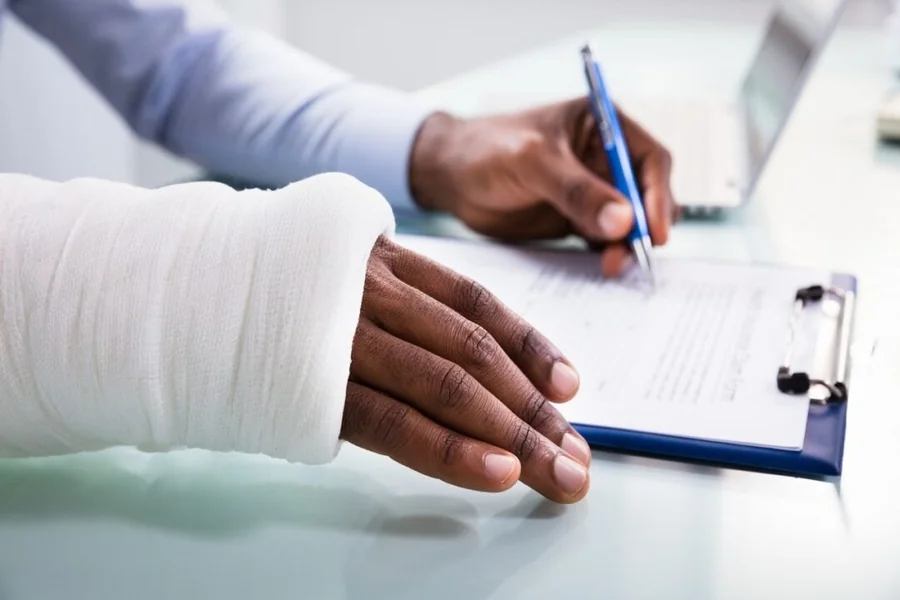
A crash in Florida shatters more than your car. It brings sudden pain, confusion, and a stack of medical bills that feel impossible. You worry about every charge. You ask who pays and when. You want clear answers, not legal talk. Florida has special rules for car insurance and medical care. These rules decide who pays first, how much they pay, and what happens when the bills keep coming. Some costs may fall on your own policy. Other costs may fall on the driver who hurt you. Hospital liens and collection calls can start fast. One wrong move can cost you money you need for recovery. You do not have to guess. A Casselberry car accident lawyer can explain your options, protect your rights, and help you plan your next step. This guide walks you through what happens with medical bills after a Florida crash.
Step One: Your Own PIP Coverage Pays First
Florida is a no fault state for car insurance. Your own policy usually pays first for medical care through Personal Injury Protection, often called PIP.
PIP usually covers
- Emergency room visits
- Doctor visits and follow up care
- Diagnostic tests such as X rays or CT scans
- Physical therapy
- A share of lost income
Important points
- You must seek treatment within 14 days to keep PIP benefits.
- PIP often pays only 80 percent of approved medical charges up to your limit.
- The minimum PIP limit in Florida is 10000 dollars.
You can read more about Florida PIP rules on the Florida Department of Financial Services auto insurance page.
How PIP, Health Insurance, and Other Sources Compare
You may have more than one source of payment. Each source follows its own rules. The table gives a simple comparison.
| Source of payment | When it pays | What it usually covers | Common limits or issues
|
|---|---|---|---|
| PIP coverage | First, after a crash in Florida | Most medical care and some lost income | Often 80 percent of bills up to 10000 dollars |
| Medical Payments coverage | After or with PIP | Extra help with medical costs | Optional add on. Limits set by your policy |
| Health insurance | After PIP and MedPay | Ongoing care and follow up treatment | Deductibles, co pays, and network rules |
| At fault driver insurance | Later, after a claim or lawsuit | Unpaid medical bills, pain, and other losses | Liability limits may not cover all losses |
| Uninsured or underinsured coverage | When the other driver has no or low coverage | Some of your remaining losses | Only applies if you bought this coverage |
What Happens When Medical Bills Exceed PIP
Medical costs rise fast. A short hospital stay can pass your PIP limit in days. Once PIP runs out, providers often look for other payers.
Next steps often include
- Using any Medical Payments coverage on your auto policy
- Using your health insurance for further care
- Paying co pays and deductibles from your own funds
Then unpaid balances may wait for the outcome of any claim against the driver who caused the crash.
Health Insurance After a Florida Crash
Health insurance often becomes the main source of payment after PIP. It can soften the blow of large hospital bills.
You still face
- Deductibles
- Co pays
- Limits on certain treatments
Many health plans seek repayment from any later settlement. This is called subrogation or a right of reimbursement. It means part of your settlement may need to go back to the health plan.
You can review general guidance on health coverage and rights on the HealthCare.gov consumer rights page.
When the Other Driver May Have to Pay
Florida no fault rules do not erase fault. If another driver caused the crash and your injuries meet certain legal thresholds, you may seek payment from that driver.
You may claim
- Unpaid medical bills
- Future medical needs
- Pain and stress
- Lost income and reduced earning power
This process usually runs through the at fault driver insurance company. If the insurer refuses fair payment, a lawsuit may follow. That takes time. During that time, providers may still expect payment.
Hospital Liens and Collection Pressure
Hospitals and some clinics may place a lien on any settlement. A lien is a legal claim on money you may receive later. It gives the provider a seat at the table when settlement funds arrive.
You may also face
- Collection calls for unpaid balances
- Letters that demand payment by a set date
- Credit score harm if bills go to collections
Quick contact with providers can help. You can ask for itemized bills. You can ask for payment plans. You can tell them about any claim or case so they know money may come later.
Steps You Can Take Right Away
You help protect yourself when you act early and stay organized.
Right after the crash
- Get medical care even if you feel unsure about your injuries
- Tell providers it was a car crash so they bill PIP first
- Report the crash to your auto insurer
In the next days
- Keep all medical records and bills in one place
- Write down each visit and test with dates and costs
- Save proof of missed work and lost income
Then you can share this information with a trusted legal guide if you choose to seek help.
When You May Need Legal Help
Some crashes bring simple claims. Others bring a maze of insurance rules, liens, and pressure from collectors.
You may want legal help if
- PIP is not enough to cover medical care
- The other driver insurer disputes fault
- You face hospital liens or collection threats
- Your injuries keep you from work or family duties
You deserve clear answers about who pays your medical bills and when. Careful steps now can protect your health, your credit, and your family money for years to come.