
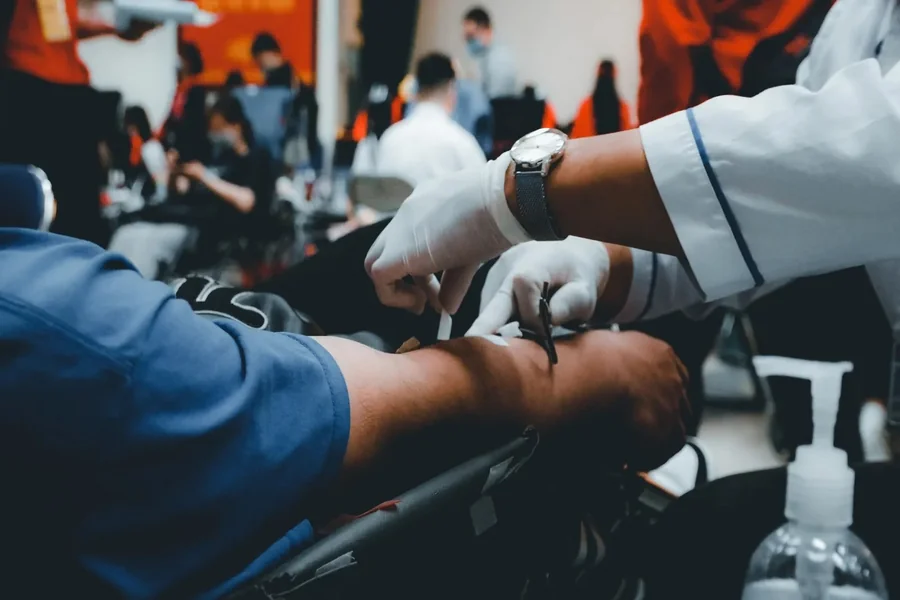
Plasma donation is one of those quiet acts of generosity that most people never see, but millions of patients depend on. When you visit a plasma donor center, you are not just “donating blood.” You are providing a critical raw material used to make therapies for people who cannot produce key immune proteins or clotting factors on their own.
Plasma-derived medicines support patients with immune deficiencies, bleeding disorders, and other serious conditions. For many of them, treatment is not a one-time event. It is ongoing, sometimes for life. That’s why the need for plasma stays constant, and why regular donors make such a meaningful impact.
The Vital Role of Plasma in Modern Medicine
Plasma is the liquid portion of blood. It carries proteins and other substances your body needs to function. In medicine, those proteins can be separated and purified into therapies that treat specific conditions.
Understanding Plasma and Why It Matters
Plasma makes up a little more than half of your blood volume. It contains:
- Albumin, which helps maintain fluid balance
- Immunoglobulins (antibodies), which support immune defense
- Clotting factors, which help stop bleeding and support wound healing
These components are essential in everyday health. For some patients, though, the body cannot make enough of them, or cannot make them correctly. Plasma therapies fill that gap.
How Plasma-Derived Therapies Work
One of the best-known plasma-based therapies is intravenous immunoglobulin (IVIG). IVIG is made from antibodies collected from many donors, then processed and purified. It is used to support people who have immune system disorders, including those who have difficulty fighting infections.
Plasma is also used to create therapies for bleeding disorders, such as hemophilia, where certain clotting factors are missing or not functioning properly. Instead of trying to “tough it out,” patients rely on consistent access to these medications to reduce dangerous complications.
Real Impact, Real People
Plasma can feel abstract until you picture the patient. It may be a child with a rare immune disorder who needs antibody replacement to avoid constant infections. It may be an adult with a condition that causes the immune system to attack the body’s own tissues. It may be a trauma patient whose treatment depends on rapid support for clotting and blood stability.
These are not edge cases. They are part of everyday medical care, and plasma makes many of those treatments possible.
Why Your Donation Matters More Than You Think
Plasma donation has a unique ripple effect because it supports the production of multiple medical products. It is also a supply-and-demand issue. Demand continues to grow, and supply depends on people showing up consistently.
The Supply Challenge: Demand Often Outpaces Donations
Plasma-based therapies are used more widely today than in the past. As medicine advances, clinicians are able to treat more conditions effectively, and more patients are diagnosed and start long-term care.
That means donor centers are not collecting plasma “just in case.” They are collecting plasma because people are actively relying on it. When donations fall behind, patients can face delays, uncertainty, or shortages.
One Donation Can Help Many Patients Over Time
Plasma can be processed into different therapies depending on which proteins are extracted and purified. That flexibility is part of what makes plasma so valuable. While the exact impact varies based on how plasma is used in production, the broader point stays the same: donating plasma supports a system that helps many people across many conditions.
The Human Side of Donating
Many donors describe a shift in perspective once they understand where plasma goes. You may never meet the person who benefits from your donation, but the impact is real. In a healthcare system that often feels impersonal, plasma donation is one of the clearest ways an individual can directly support patient care.
What to Expect at a Plasma Donor Center
A lot of people hesitate because they are unsure what the process looks like. The reality is usually more structured and calm than people expect.
Your First Visit: Screening and Eligibility
First visits typically include:
- identity verification and registration
- a health history questionnaire
- basic vitals (blood pressure, pulse, temperature)
- a simple physical screening
- a small blood test, depending on center protocols
This screening protects both donors and recipients. The center’s job is to make sure donation is safe for you and that the plasma collected meets strict standards.
The Donation Process
Plasma is collected through a method called apheresis. During donation:
- Blood is drawn from your arm through sterile tubing.
- A machine separates plasma from the rest of the blood components.
- Red blood cells and platelets are returned to you.
Because your red cells are returned, many people can donate plasma more often than whole blood, depending on local rules and center policies.
The process typically takes longer than a standard blood donation. Many donors bring headphones, a podcast, or something to read.
After Donation: Recovery and Care
Most people feel fine afterward, but it helps to:
- drink water before and after
- eat a balanced meal
- avoid heavy exertion for the rest of the day if you feel tired
- follow the center’s instructions if you notice bruising or lightheadedness
A little fatigue can happen, especially if you came in dehydrated or skipped a meal. Good prep makes a noticeable difference.
Common Myths That Stop People From Donating
Misconceptions are a major reason eligible donors never show up. A few simple clarifications can help.
“It’s Extremely Painful”
Most donors describe it as similar to a standard blood draw. The needle stick can be uncomfortable, but the rest of the process is usually more boring than painful.
“It Takes All Day”
The first visit can take longer because of screening. After that, visits are often more predictable. The donation itself is commonly around an hour or a bit more, depending on the center and your body’s donation pace.
“Not Many People Can Donate”
There are eligibility rules, but many healthy adults qualify. If you’re unsure, most centers can walk you through requirements before you schedule.
How Donor Centers Keep the Process Safe
Safety is not optional in plasma collection. Reputable centers operate under strict protocols and oversight.
Clean Equipment and Sterile Supplies
The needles and tubing used for donation are sterile and single-use. Machines are cleaned and maintained under defined standards. This greatly reduces risk and helps keep the process safe and controlled.
Ongoing Testing and Quality Standards
Donor centers routinely test plasma and follow regulations designed to protect recipients. Donors may also be monitored over time to ensure they remain healthy and safe to continue donating.
Comfort and Monitoring During Your Visit
Staff monitor donors during the process and can respond quickly if you feel lightheaded or uncomfortable. Most centers also provide hydration and recovery guidance.
Getting More Involved in the Plasma Community
Donating once is valuable. Donating consistently can be life-changing for the system and for patients who rely on steady supply.
Staying Informed About Plasma Use and Research
Many organizations and donor centers share information about:
- how plasma therapies are used
- the conditions they treat
- donation eligibility updates
- community donation needs
Staying informed helps donors feel connected to the impact of what they’re doing.
Becoming an Advocate
If you’ve donated and had a positive experience, sharing that can help others feel less intimidated. Advocacy does not need to be dramatic. It can be as simple as:
- telling a friend what the process was actually like
- posting a short message that corrects a common myth
- encouraging someone who is curious to check eligibility
Conclusion
Plasma donation supports modern medicine in a direct, powerful way. The therapies made from plasma help people who need antibodies, clotting factors, and other critical proteins to survive and live well. For many patients, plasma-derived treatments are not optional, and they are not short-term.
Visiting a plasma donor center is a practical way to make a real difference. You give a few hours of your time, and your donation becomes part of a healthcare lifeline that reaches far beyond you. If you have ever wanted to do something tangible that helps others, donating plasma is one of the clearest ways to do it.