
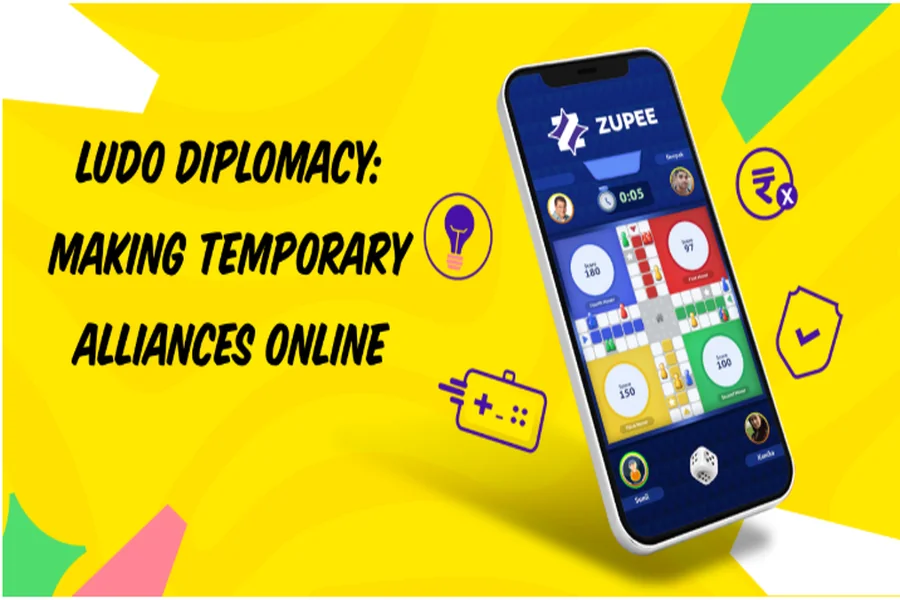
From a rather simple household game, online ludo platforms have evolved into dynamic digital social spaces where decisions, cooperation, and strategy meet. Very much apart from the moves and dice, players often develop short-term understandings to shape the direction of a match. This practice, commonly called forming temporary alliances, is a new psychological layer in modern gameplay. Be it on large-scale platforms like online ludo or on any other digital version, these alliances show how human behavior adapts even in the most casual environment. They highlight one’s style of communication, negotiating skills, and the ability to work with others while still trying to win individually.
Ludo Diplomacy is a game of understanding.
Online plays have what is known as ludo diplomacy where players enter into informal agreements with each other. These agreements are never talked directly most of the time, but they are rather observed through gestures, repetition and understanding. e.g. two players may not target each other until a third player becomes the primary threat. All these unspoken agreements are easily movable and hence form the dynamic strategic landscape.
The unpredictable pace of online ludo pushes players to form brief alliances just to stay afloat. These moments of cooperation help you handle pressure and shield vulnerable tokens. But a true Ludo King knows alliances fade the moment advantage appears and uses that shift to rise above the board.
Why Alliances form in Online Ludo
People even in competitive environments want to connect and cooperate. Online ludo platforms bring strangers from all walks of life together, and alliances usually form because they offer:
- Shared Goals
Two players may feel that some other competitor is forging ahead faster. This works in balancing the game and reinstating fairness.
- Emotional Reactions
If a single player frequently attacks others, then the other players will instinctively come to an understanding to counter them. These alliances often stem from instincts rather than as a result of planning.
- Momentary
Trust Ludo diplomacy is based on instinctive decisions. Minor decisions—such as not capturing another player’s token—can foster temporary mutual trust. This trust, however, is fragile and needs to be earned again through actions.
How These Alliances Shape the Game
Short-term cooperation shifts the balance of the board, alters targeting, and creates openings that can change the entire momentum of a match.
Strategic Positioning
Players really observe the moves of their opponents. When an individual perceives some form of co-operation, he or she tends to modify his/ her strategy so as to sustain the relationship. This may include not taking any risky actions which may jeopardize the alliance.
Move Prediction
The allied players begin to predict each other better. This also renders the game more orchestrated and organized without use of communication.
Momentum Shifts
A new alliance is able to shift the tide of a game. A player who is just about to win can end up meeting stiff competition after other players form an alliance. On the other hand, a poor player may be elevated with the help of a temporary coach.
The Fragile Nature of Trust in Ludo Diplomacy
Alliances provide comfort, yet they dissolve in an instant. Digital platforms make the switching of focus at any moment seamless, and one’s partner today will be the opponent in the next roll.
Common reasons alliances break include:
- Sudden opening helpful to only one member
- Misreading an opponent’s move
- Mistaken assumptions of intentions
- Emotional responses during heightened moments
This shifting atmosphere keeps the game exciting. Players must balance cooperation with independence, always preparing for sudden changes.
The benefits of Temporary Alliances.
Brief cooperation helps reduce immediate threats, protect exposed tokens, and create breathing room to regain control of the match.
- A More Dynamic Game
Alliances bring about uncertainty. Players are not in ordinary circumstances, but in those which need judgment and adaptation.
- Improved Decision-Making
Players get to know how to negotiate without saying a word, or how to read the intentions and act wisely. These are not only skills that are applied in the game but in real life as well.
- Greater Social Engagement
Alliances enhance a more social experience with the game even when one is not talking. Players feel engaged and amicable whenever the moments get too intense.
Possible Drawbacks
Temporary partnerships can backfire, shift trust, and leave you exposed once the alliance breaks.
- Misunderstandings
Because alliances are seldom spoken aloud, assumptions lead to frustration. A move intended as neutral may be seen as betrayal.
- Over-dependence
Too great a reliance on alliances may weaken independent strategy. Some players forget that the ultimate goal is individual victory.
- Emotional Conflicts
Unexpected shifts sometimes bring tension. The break-ups of alliances sometimes get players reacting in extremely intense ways, even though the agreements were never official.
Tips for Navigating Ludo Diplomacy
Smart timing, clear intentions, and controlled trust help you use alliances effectively without losing your strategic edge.
- Notice the early behavior: Early moves will indicate who is willing to cooperate.
- Guard your tokens: Although you have allied with others, safety comes first.
- Don’t make promises you can’t keep: Be flexible, since alliances are very volatile.
- Note patterns: It may take more than one time to convince players to spare your tokens, so they are most likely trying to communicate cooperation.
- Remain composed: Diplomacy is good when there is a consistent emotional state.
Conclusion
The temporary alliances in online ludo games reflect very real human behavior: connection, strategy, and quick decision-making. These shifting partnerships add a depth to digital platforms like online ludo and make matches much more interesting than a mere race around the board. While alliances present their own set of advantages and challenges, they ultimately enrich the experience of the game and show how cooperation can emerge even in highly competitive environments. Whether players consciously negotiate or simply react to unfolding situations, ludo diplomacy continues to shape the modern digital version of this classic game. On many platforms, including Zupee Ludo, this evolving social layer is considered one of the most intriguing facets of playing online.