
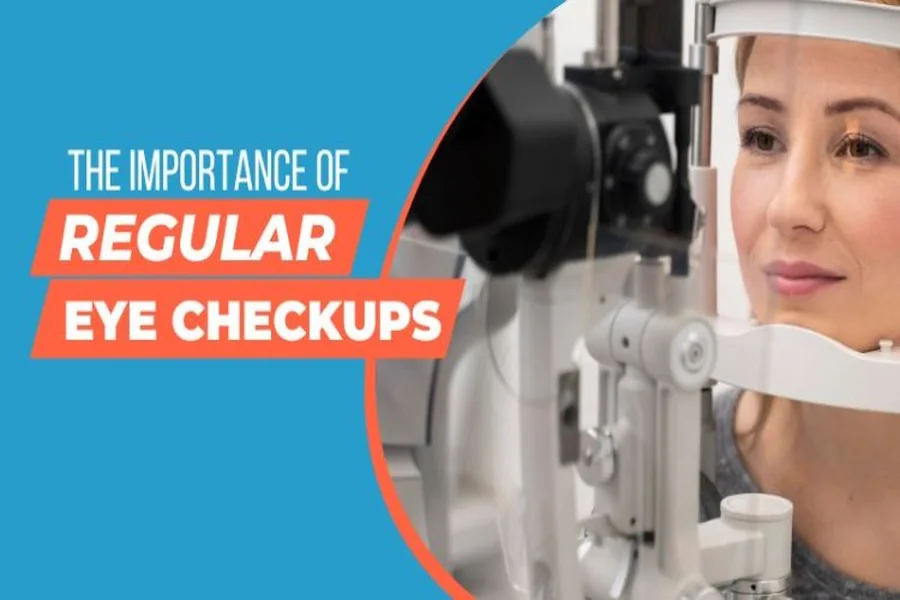
Eyesight is an important part of our life. Our eyes help us to see and experience the world. It helps to carry out our day-to-day tasks without any discrepancies.
Glaucoma is known to be a silent robber of our eyesight. It doesn’t show any
symptoms until the complete loss of vision. Glaucoma refers to a number of eye problems that may affect the vision completely and cause permanent vision loss if left untreated. That is why it is important to have regular eye checkups and protect your eyes from possible damage.
In this guide let us look into how regular eye checkups help in early detection of Glaucoma.
How Regular Eye Checkups Are Important To Detect Glaucoma At The Earlier Stage?
It may not be possible to regain the eyesight that is lost due to Glaucoma. But, if diagnosed and treated earlier, you can reduce the chances of losing your vision.
Regular eye checkups are important as the person with Glaucoma doesn’t get any symptoms until they are about to lose their vision.
1. Early Detection Of Glaucoma:
Regular examinations of eyes can detect Glaucoma before you experience any symptoms. As Glaucoma in the starting stage doesn’t show any warning signs, regular eye checkups are the best ways to detect it early and start treatment to protect your eyes from getting damaged.
2. Monitoring Intraocular Pressure:
During regular checkups, even the eye pressure will be checked because high pressure build up indicates the potential risk of Glaucoma. By regular monitoring of the pressure, doctors can act immediately if it rises quickly.
3. Optic Nerve Assessment:
During regular eye checkups, doctors will also check your optic nerve. As optic nerves are the first areas to get affected by Glaucoma, diagnosing it early may prevent the condition from getting worse.
4. Personalized Risk Assessment:
Depending upon your age, genetic factors, and other health issues, your eye doctor will prescribe how often you need eye checkups, and what precautions you can take to prevent risks of Glaucoma.
What Happens During A Glaucoma Eye Exam?
During a Glaucoma eye examination, several tests are carried out to check the pressure in your eyes, optic nerves, and your vision. These tests are generally non-invasive, quick, and also less painful.
● Tonometry:
It is a test to measure the pressure inside your eye (IOP). It is carried out to check if there are any spikes that indicate Glaucoma.
● Visual Field Test:
Your peripheral vision is examined in this test. This is done to detect the blind spots that might be the sign of early Glaucoma.
● Optic Nerve Examination:
This exam checks the appearance of the optic nerve. It helps doctors to detect the signs of Glaucoma-related problems.
● Pachymetry:
This checks the thickness of your corona. It is done to examine intraocular pressure readings more precisely.
● Gonioscopy:
In this test, a specialized lens is used to examine the drainage angle in your eye from where the fluid flows out. If there are any blockages it may lead to Glaucoma.
How Often You Should Get Your Eyes Checked?
● Ages 20-39:
Once in every 5 years if there are no risk factors.
● Ages 40-60:
Once in every 1 to 3 years, as the eye problems start increasing during this age.
● Ages 60 And Above:
Once in every 1 to 2 years or annually.
● Certain Risk Factors:
People with genetic issues, diabetics, or high eye pressure will need frequent eye checkups.
Conclusion
As Glaucoma leads to loss of vision, it is better to detect it in the beginning stages. Regular eye checkups will help to detect the problems of Glaucoma and allow doctors to start the treatment as early as possible. This is a short guide about how regular eye checkups help in the early detection of Glaucoma. Read this article and protect your eyes.