
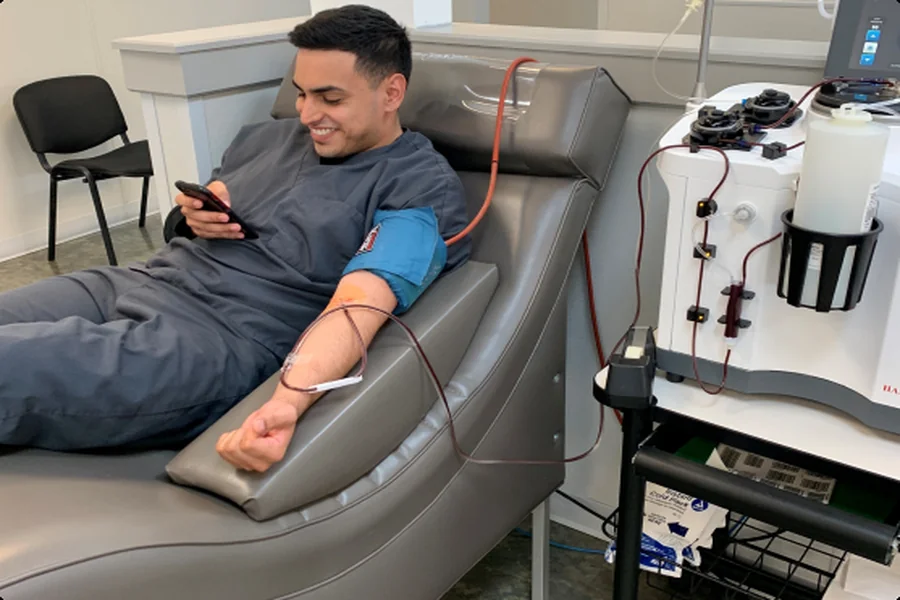
Plasma donation is one of those things many people hear about but do not always fully understand. Some people think of it as a way to earn extra money. Others see it as a simple act of service. In reality, it can be both. Plasma donation in Laredo Texas can help patients who depend on plasma-based treatments while also giving eligible donors a practical way to make use of their time.
Plasma is the liquid part of your blood. It carries proteins, antibodies, clotting factors, and other important components that help the body heal and function. Because of this, donated plasma is used in treatments for people with immune disorders, bleeding conditions, burns, trauma, and other serious medical needs.
For people in Laredo, donating plasma can also feel personal. It is not just about helping a hospital system somewhere far away. It is about contributing to a broader healthcare network that depends on regular donors. Every donation can become part of a treatment that helps someone recover, survive, or manage a long-term condition.
Why Plasma Donation Matters
Plasma is used in many life-supporting therapies. Unlike some medical products that can be manufactured from scratch, plasma must come from healthy donors. That makes consistent donation important.
When someone donates plasma, that donation may eventually help patients with conditions such as hemophilia, immune deficiencies, severe burns, shock, or trauma-related complications. These are not minor needs. For many patients, plasma-based treatments are part of ongoing care.
This is one reason plasma donation in Laredo Texas matters. A strong donor base helps support the medical supply chain. The more eligible donors who participate, the better prepared healthcare providers can be when patients need treatment.
How Plasma Donation Helps the Community
Plasma donation does not only help individual patients. It also supports the larger healthcare system. Hospitals, clinics, and treatment centers rely on a steady supply of plasma products to care for people with serious conditions.
When more people donate, it helps reduce pressure on supply chains. It also builds a culture of community health. In a city like Laredo, where local support and family ties are important, plasma donation can be one way people contribute to the well-being of others.
There is something meaningful about knowing that a short visit to a donation center could help someone facing a medical crisis. Donors may never meet the people who benefit from their plasma, but the impact is still real.
What Makes Plasma Different From Blood Donation?
Blood donation and plasma donation are related, but they are not the same. When you donate whole blood, the donation includes red blood cells, plasma, platelets, and other components. With plasma donation, the focus is on collecting the plasma portion of the blood.
During plasma donation, blood is drawn from the donor, the plasma is separated, and the remaining blood components are returned to the body. This process is called plasmapheresis.
Because the body replaces plasma more quickly than red blood cells, eligible donors can usually donate plasma more often than whole blood. This is one reason plasma donation is often appealing to people who want to donate regularly.
Is Plasma Donation in Laredo Texas Worth Your Time?
For many people, the answer depends on their reason for donating. Some donors are motivated by the chance to help others. Some are interested in the compensation. Others appreciate both benefits.
Plasma donation in Laredo Texas can be worth it if you are healthy, eligible, and comfortable with the process. The visit usually takes longer than a standard blood donation, especially for first-time donors, but many people find that the process becomes easier once they know what to expect.
The value is not only financial. Donors often describe a sense of purpose. They know their time is being used for something helpful. That can make the experience feel more rewarding than simply completing another errand.
Understanding Donor Compensation
Many plasma donation centers compensate donors for their time. The exact amount can vary depending on the center, donor status, promotions, and how often someone donates.
Some donors may earn a modest amount per visit, while regular donors may earn more over time. This compensation can help with groceries, transportation, bills, or other everyday expenses.
Still, it is important to see compensation clearly. Plasma donation should not be treated as a replacement for stable income. It is better viewed as extra money for eligible donors who can safely participate.
The strongest reason to donate remains the medical need. The compensation is helpful, but the donation itself has a larger purpose.
What to Expect During the Donation Process
The process is usually straightforward. First-time donors should expect the visit to take longer because there may be registration, identification checks, medical history questions, and a health screening.
The screening may include checking your weight, blood pressure, pulse, temperature, and protein or hemoglobin levels. These steps help protect both the donor and the people who may later receive plasma-based treatments.
Once approved, the donor is seated comfortably. Blood is drawn, plasma is separated, and the remaining components are returned to the body. Staff members monitor the process and are available if the donor feels uncomfortable.
After donating, most centers recommend resting briefly, drinking fluids, and eating a snack. This helps the body recover and reduces the chance of dizziness or fatigue.
How Long Does Plasma Donation Take?
A typical plasma donation appointment may take around 45 minutes to over an hour. First-time visits may take longer because of the extra paperwork and screening.
Regular donors often find that the process becomes more predictable. Many bring headphones, watch videos, listen to podcasts, or read while donating.
If you are considering plasma donation in Laredo Texas, it helps to plan your appointment around your schedule. Avoid rushing in before work, school, or another commitment until you know how your body responds.
How to Prepare Before Donating Plasma
Preparation can make a big difference. Hydration is one of the most important steps. Drinking enough water before your appointment can help the process go more smoothly.
It is also important to eat a healthy meal before donating. A balanced meal with protein, complex carbohydrates, and healthy fluids can help reduce the chance of feeling lightheaded.
Avoid alcohol before donating, and try not to arrive after intense exercise. Your body should be rested and properly fueled.
Good preparation helps protect your health and can make the donation experience more comfortable.
Common Misconceptions About Plasma Donation
Some people avoid plasma donation because they assume it is extremely painful. In most cases, donors describe the needle stick as a brief pinch. The process may feel unusual at first, but it is generally manageable for healthy, eligible donors.
Another common misconception is that plasma donation is unsafe. Donation centers follow screening and safety procedures to reduce risk. Staff members are trained to monitor donors and respond to concerns.
Some people also believe their donation does not matter. That is far from true. Plasma is needed for important therapies, and regular donors help keep those treatments available.
Who Can Donate Plasma?
Eligibility rules can vary by donation center, but donors generally need to be at least 18 years old, meet minimum weight requirements, and be in good health. Donors usually need to provide valid identification and complete a health screening.
Certain medical conditions, medications, recent illnesses, travel history, or other factors may affect eligibility. This is why the screening process is important.
If you are unsure whether you qualify, it is best to contact the donation center directly and ask about current requirements.
How Often Can You Donate Plasma?
Eligible donors may be allowed to donate plasma more frequently than whole blood. In many cases, plasma donation may be permitted up to twice within a seven-day period, with proper spacing between donations.
However, just because someone is eligible to donate often does not mean they should ignore how their body feels. Rest, hydration, nutrition, and personal health should always come first.
For anyone exploring plasma donation in Laredo Texas, consistency can be helpful, but safety should always guide the schedule.
Why Local Awareness Matters
Community awareness plays a big role in donor participation. Many people would consider donating plasma if they understood the process better. Others may be willing but feel nervous because of myths or lack of information.
Local conversations can help change that. When donors share honest experiences, they make the process feel less intimidating. Community blood drives, donation events, and local outreach can also encourage more people to participate.
The more people understand plasma donation, the easier it becomes to build a stronger donor community.
The Personal Side of Donating Plasma
For many donors, the experience becomes more meaningful over time. At first, they may go because of curiosity or compensation. Later, they may continue because they understand the impact.
Knowing that plasma can help someone with a serious medical condition gives the act a deeper purpose. It turns an ordinary appointment into something that can support another person’s healing.
This is one of the strongest reasons people continue donating. The process may take only part of a day, but the result can matter far beyond that moment.
Tips for a Better Donation Experience
If you are new to plasma donation, start by choosing a day when you are not rushed. Give yourself enough time for the appointment and recovery afterward.
Drink water before your visit. Eat a good meal. Wear comfortable clothing, especially sleeves that are easy to roll up. Bring something to keep yourself occupied during the donation.
Afterward, continue drinking fluids and avoid strenuous activity for the rest of the day if you feel tired. Listen to your body. A smooth donation experience often starts with simple preparation.
When Plasma Donation May Not Be Right for You
Plasma donation is not ideal for everyone. People who are underweight, currently ill, dealing with certain medical conditions, or taking certain medications may not qualify. Others may feel anxious around needles or may not respond well physically after donating.
That does not mean they cannot help in other ways. They can still support awareness, encourage eligible friends or family members, or participate in other community health efforts.
Donating plasma should always be done safely and voluntarily.
Final Thoughts
Plasma donation in Laredo Texas can be worth it for people who are eligible, informed, and prepared. It offers a chance to help patients who depend on plasma-based therapies while also giving donors possible compensation for their time.
The process is usually simple once you understand it. Registration, screening, donation, and recovery are all designed to protect donor safety and support the quality of the plasma collected.
More importantly, plasma donation connects individual action to a larger need. One donor may not see the patient who benefits from their plasma, but that does not make the impact any less real.
For those who qualify, donating plasma can be a practical, meaningful way to support others and contribute to the health of the wider community.