
Summary
Choosing an old age home in Chennai is no longer just about affordability—it’s about long-term care and stability. This guide explains how paid old age homes in Chennai differ across pricing tiers, from basic setups to luxury care, and what families should expect at each level. It helps adult children compare value, understand how care needs evolve over time, and identify what truly defines the best old age home in Chennai. With a focus on medical readiness, daily living, and cost transparency, the article offers practical guidance for making informed, sustainable decisions for aging parents.
For many families in Chennai, the search for an old age home does not begin with luxury.
It begins with concern.
A parent forgets a medicine.
A fall takes longer to recover from.
Cooking feels tiring.
Loneliness sets in quietly.
At this stage, families start looking at old age homes in Chennai, often feeling overwhelmed by the range of options and prices. Some homes advertise low monthly fees, others position themselves as premium or luxury. The challenge is understanding what those numbers actually mean—and what level of care your parent will truly receive.
This guide breaks down paid old age home in Chennai options in simple terms. It explains pricing tiers, care levels, and how support typically escalates over time. Most importantly, it helps adult children compare value, not just cost.
Why Paid Old Age Homes in Chennai Are Growing Rapidly
Chennai has long been known as India’s healthcare capital. That reputation now extends into senior care.
India’s population aged 60+ is expected to cross 230 million by 2036, and Tamil Nadu is among the fastest-ageing states. In urban centres like Chennai, smaller families, migration of adult children, and longer life expectancy have changed how elders live.
As a result, old age homes in Chennai are no longer limited to charity-run shelters. Paid models—ranging from modest assisted setups to luxury old age homes in Chennai—are becoming mainstream.
Families are no longer asking, “Is it acceptable?”
They are asking, “Which option makes sense long-term?”
Understanding the Pricing Spectrum of Old Age Homes in Chennai
One of the biggest sources of confusion is cost. Prices vary widely, and the same monthly fee can mean very different things.
- Basic Paid Old Age Homes (₹15,000–₹50,000 per month)
These are entry-level paid old age home in Chennai options. They usually include:
- Shared rooms
- Three daily meals
- Housekeeping
- Limited supervision
Medical support is often on-call rather than on-site. These homes work best for seniors who are largely independent and medically stable.
For families with tight budgets, this tier provides safety and structure, but it may not scale well if health needs increase.
- Mid-Range Paid Old Age Homes (₹50,000–₹80,000 per month)
This is where many families eventually settle.
These old age homes in Chennai typically offer:
- Regular nurse presence
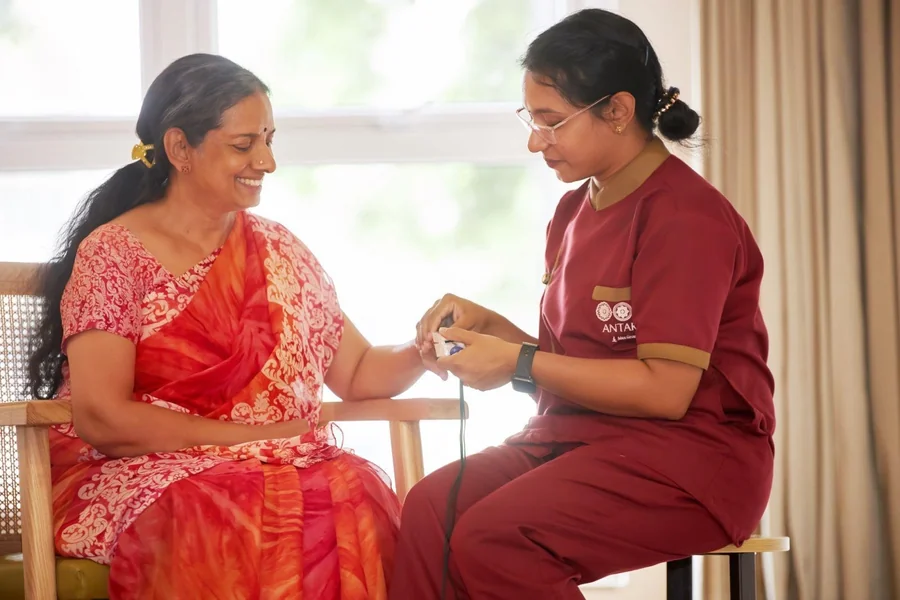
- Help with bathing, mobility, and medicines
- Doctor visits on fixed schedules
- Better staff-to-resident ratios
This tier suits seniors who are mobile but need daily assistance. From a value perspective, this is often the most balanced category for long-term stays.
- Luxury Old Age Homes in Chennai (₹80,000+ per month)
Luxury old age homes in Chennai are built around the idea that aging needs better infrastructure, trained people, and predictable medical support, not just nicer rooms.
The biggest difference is the physical environment. These homes are designed for seniors from the ground up, with anti-skid flooring, grab bars in bathrooms, and nurse call buttons placed inside washrooms and near beds. These small details matter because most senior falls happen in private spaces, not corridors.
Staffing is another key upgrade. Luxury facilities typically employ geriatric-trained caregivers and nurses who understand age-related conditions such as balance issues, medication sensitivity, and early signs of distress. Good nursing ratios, which means residents get attention faster especially at night or during sudden health changes.
Daily life is also more structured. Engagement programs go beyond occasional activities and include regular group exercises, cognitive games, music sessions, and assisted walks. These routines help maintain mobility and reduce loneliness.
Meals are planned specifically for senior needs, with diets customised for diabetes, heart conditions, digestion, and protein intake—rather than one common menu for everyone.
For families who can afford this tier, the benefit is not luxury alone, but fewer emergencies, better monitoring, and long-term stability. Still, price should never be the only filter. Even at this level, the quality of staff training and care protocols matters far more than interiors or branding.
Care Levels: How Support Escalates Over Time
One mistake families make is choosing a home based only on today’s health.
A parent who walks independently today may need mobility support in a year. Memory, balance, or chronic conditions often change gradually.
The best old age home in Chennai is not the one with the lowest price—it is the one that can adapt.
Many high-quality paid homes now follow a continuing care retirement community model, where care levels increase without forcing residents to relocate. This continuity reduces stress, confusion, and emotional trauma.
Daily Life Inside Senior Homes in Chennai
Cost and care are important, but daily experience matters just as much.
In well-run senior homes, days follow a calm, predictable rhythm:
- Mornings begin with tea, light movement, or prayers
- Meals are timed and supervised
- Nurses check vitals quietly
- Afternoons allow rest or activities
- Evenings focus on social interaction
This structure reduces anxiety and improves sleep. For many seniors, simply not worrying about cooking, cleaning, or medicines improves quality of life significantly.
Old Age Homes vs Retirement Homes: What’s the Difference?
Families often compare retirement homes with paid old age homes.
Retirement homes usually focus on independent living, with minimal medical oversight. They work well for healthy seniors but can become problematic if care needs increase.
In contrast, paid old age home in Chennai setups prioritise supervision and assistance. They are better suited for seniors who need daily support, even if they are not critically ill.
For families planning long-term, care availability matters more than lifestyle branding.
What Truly Defines the Best Old Age Home in Chennai?
The best old age home in Chennai is rarely the most advertised one.
Instead, it typically has:
- Consistent staffing
- Clear medical escalation protocols
- Transparent pricing
- Calm, engaged residents
Staff ratios are especially important. Homes with fewer residents per caregiver respond faster to issues and provide more personalised care.
Globally, studies show that lower caregiver-to-resident ratios reduce emergency hospitalisations by 20–30%. Chennai’s better facilities are beginning to follow these benchmarks.
The Hidden Costs Families Often Miss
Even in paid setups, not everything may be included.
Families should ask:
- Are doctor visits included or billed separately?
- Is physiotherapy extra?
- How are emergencies handled financially?
Transparent old age homes in Chennai will provide a clear breakdown upfront. Vague answers are usually a warning sign.
Q&A: What Families Commonly Ask
Are paid old age homes in Chennai regulated?
Regulation varies. Look for homes with medical tie-ups, trained staff, and documented protocols.
Is luxury always better?
Not necessarily. Care quality matters more than amenities.
Can parents try before committing?
Many homes offer trial stays of 15–30 days.
Do costs increase over time?
Yes, if care needs escalate. Ask about future pricing.
Is Chennai affordable compared to other cities?
Yes. Compared to Mumbai or Bengaluru, Chennai offers better medical access at lower senior care costs.
Choosing Value Over Just Price
For budget-conscious families, the goal is not the cheapest option. It is the most sustainable one.
A slightly higher monthly fee in a paid old age home in Chennai may prevent repeated hospital visits, emergency expenses, and caregiver burnout later.
That is where true value lies.
Conclusion: Making a Thoughtful, Long-Term Decision
Choosing among old age homes in Chennai is no longer about stigma or last-minute necessity. It is about planning.
Whether you consider basic paid homes, luxury old age homes in Chennai, or a setup that follows a continuing care retirement community model, the right choice is the one that adapts as your parent’s needs change.
The best old age home in Chennai is not the most expensive—it is the one that keeps your parent safe, supported, and dignified over time.
About the Author
Antara Care Homes is part of the Max Group, works with families evaluating long-term senior living and medical support options in India. With eight care homes operating across key cities and a capacity of over 500 beds, the organisation brings on-ground experience to the discussion around old age homes in Chennai and structured senior care models. In Chennai, Antara operates two care homes—one on ECR and another on OMR—supporting seniors within a framework similar to a continuing care retirement community, where care can evolve without repeated relocation.