
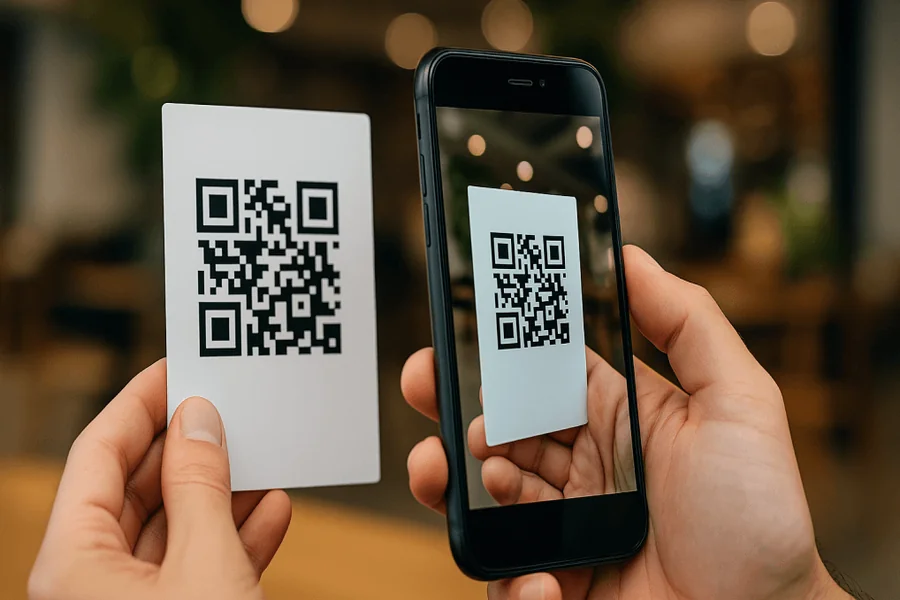
How QR Codes Store Data Internally is an intriguing subject that reveals how such small square patterns are capable of storing information that can be accessed immediately. On the surface, QR codes can appear as random black and white squares, but in actuality, they are well-organized systems that are meant to store information effectively. QR codes can encode various kinds of data, and be read with a scan to provide access to information, including contacts and website links. Knowing the mechanism behind it may make you appreciate the technology even more and make the most out of it in both digital and real life communications.
The fundamental format of a QR Code.
A QR code is not any random pattern. It consists of several elements that collaborate to store and organize data. These elements make sure that the code may be scanned correctly, even when it is a bit damaged or distorted.
The most striking aspects are the huge square designs in three corners of the code. These are referred to as position Markers. They assist the scanner to recognise the direction of the code to enable proper reading Get started quickly with Uitly.
It also has alignment patterns that can be used to help in keeping the accuracy particularly in cases where the code is being printed on curved surfaces or when scanning it at various angles. Timing patterns that come in the form of alternate black and white modules assist the scanner in determining the size of the data grid.
The remaining part of the QR code is made up of small modules which are squares. These modules are the real data stored. The modules are associated with the binary values, either black or white.
Encoding Data into a QR Code.
Encoding is the first stage in processing information in a QR code. Text, URLs or numbers are converted into a binary representation. This is to say that the information is converted into zeros and ones.
A binary data is converted into a particular pattern in the grid of QR code once it has been converted. Encoding process is standardized so that it is compatible with a variety of devices and scanners.
QR codes can be encoded with various modes, depending on data type. Numbers are represented in numerical mode, text and numbers in alphanumeric mode, and more complex data like special characters in the byte mode.
Upon encoding, the information is stored into the QR code with other information which includes format and version information. This makes sure the scanners are able to process the data appropriately.
Data Recovery and Error Correction.
A key outstanding aspect of QR codes is that it can restore information even when some of the code is lost. This is achieved by means of error correction.
QR codes employ an error correction with Reed Solomon. The technique provides additional data to the code, and the original data can be restructured in the event some parts are lost or illegible.
Error correction has varying degrees of low, medium, and high. The higher levels are more protective but have less storage capacity.
An example of this is that a QR code that is highly error corrected can still be read in case of a damaged portion to 30 percent. This renders QR codes to be dependable in different environments such as outdoor and industrial.
Data Capacity and Storage Limits
QR codes can store various quantities of information based on size and mode of encoding. Up to several thousand characters can be put in a standard QR code, although this is not all.
Numeric data can hold the largest capacity and more complex data type will take up more space. The reason behind this is that varying encoding modes employ varying numbers of bits per character.
The size of the QR code also affects its capacity. Codes with larger size are able to hold more data but might occupy much space when printed or displayed.
Balance between capacity to store data and usability is important. Exceeding the limit of information included in a QR code may cause it to be thick and difficult to scan. It is preferable to save a relatively simple URL that will direct to more detailed information on the internet in most instances.
The way QR Code Scanners read the information.
As a QR code is scanned, the camera of the device captures the image and uses it with the help of decoding software. The scanner then reads the position indicators to find out the orientation of the code.
Next, it analyzes the grid and reads the pattern of black and white modules. This pattern is transformed back to binary data which is in turn decoded back to the original information.
This process is done with error correction so as to correct any lost or damaged data. After the decoding is done the information is displayed or utilized by the device.
The whole process takes only a few seconds and QR codes are an effective and quick method of retrieving information.
Real-life applications of QR Code data storage.
QR codes are very versatile because they can be stored internally. They are utilized in industries in different ways.
QR codes are used in marketing to connect users to websites, deals and digital content. This assists in linking offline and online experiences of businesses.
QR codes are used to store transaction details in payments and facilitate fast and safe payments. This is commonly applied in cell phone payment systems.
QR codes are used in healthcare to store patient data and monitor medical supplies. This enhances productivity and minimizes mistakes.
QR codes are also beneficial in education because they offer access to learning resources and materials easily.
These applications demonstrate the way in which QR codes make it easier to share information and enhance the user experience.
Best Practices in utilizing the QR code data efficiently.
Best practices should be observed to be effective in using QR codes. To start with, make the information clear and applicable. Avoid overloading the code with unnecessary information.
Second, choose the appropriate error correction level. The higher levels have greater reliability but less storage.
Third, make sure of adequate size and contrast. A big and clear QR code is simple to scan and minimize mistakes.
It is also important that testing is done. To be sure that your QR code is correct, always scan it with various devices.
Lastly, think of user experience. Ensure that the information that the QR code is associated with is beneficial and accessible.
Final Thought
What makes QR codes seem like a simple technology is knowing how they save data inside them; hence its sophistication. Encoding and correcting errors, all the steps are well considered to guarantee accuracy and efficiency.
QR codes have become a significant part of the contemporary world of communication, the one that allows connecting physical and the digital world. Through understanding the way they operate, you will be able to utilize them better and get maximum out of what they can do.
With the ever changing technology, QR codes will probably be even more significant in our communication and information retrieval processes. They are valuable resources in most spheres of life because they allow storing and transferring data fast and efficiently.
FAQs
How do QR codes store data internally?
QR codes store data by converting information into binary format and arranging it within a grid of black and white modules.
What type of data can QR codes hold?
They can store text, URLs, contact details, and other types of digital information depending on the encoding mode.
What is error correction in QR codes?
Error correction is a method that allows QR codes to recover data even if part of the code is damaged or unreadable.
How much data can a QR code store?
A QR code can store up to several thousand characters depending on its size and encoding method.
How do scanners read QR codes?
Scanners capture the image, analyze the pattern, convert it into binary data, and decode it into readable information.
Are QR codes secure for storing data?
QR codes themselves are not encrypted, so sensitive data should be protected through secure links or additional measures.