
Spending time on the water is one of life’s great pleasures—whether it’s boating on a lake, swimming in the ocean, or enjoying a day by the pool. Yet, water-related activities come with real risks. Accidents can happen in seconds, often without warning, and the outcomes can be severe if no one nearby knows how to respond. Understanding water safety and learning essential first aid techniques can turn potential tragedies into survivable situations. Preparation, awareness, and calm action are the keys to keeping everyone safe around water.
Common Water-Related Emergencies
Water environments present multiple hazards, from drowning and hypothermia to cuts, fractures, and head injuries caused by slips or collisions. Among the most serious emergencies are:
- Drowning and near-drowning incidents: When the airway is blocked, oxygen deprivation occurs quickly, leading to brain injury or death if not reversed within minutes.
- Hypothermia: Even in mild water temperatures, prolonged exposure can cause a dangerous drop in body temperature.
- Boating accidents: Collisions, capsizing, and propeller injuries can result in bleeding, fractures, or loss of consciousness.
- Spinal injuries: Diving into shallow water or striking submerged objects can lead to permanent spinal cord damage.
Recognizing the signs of these emergencies early allows rescuers to act before conditions worsen.
Step 1: Assess the Situation Safely
Before rushing to help, evaluate your surroundings. Many rescuers become victims themselves by entering the water unprepared. Never jump in unless you’re a strong swimmer and it’s safe to do so. Use a flotation device, rope, or pole to reach the victim if possible. Always keep your own safety in mind—helping effectively starts with staying safe yourself.
If the person is conscious and able to grasp an object, pull them to shore or the boat slowly and steadily. Once they are in a secure position, begin assessing their condition.
Step 2: Check for Breathing and Responsiveness
Once the person is out of the water, quickly check if they are breathing and responsive. Tap their shoulder and ask if they can hear you. If there is no response and they are not breathing normally, begin CPR immediately. Drowning victims may have water in their airway, so start with rescue breaths before chest compressions if trained to do so.
If the person is breathing but unconscious, place them in the recovery position on their side to maintain an open airway and allow water or fluids to drain. Continue monitoring until medical help arrives.
Step 3: Perform CPR When Needed
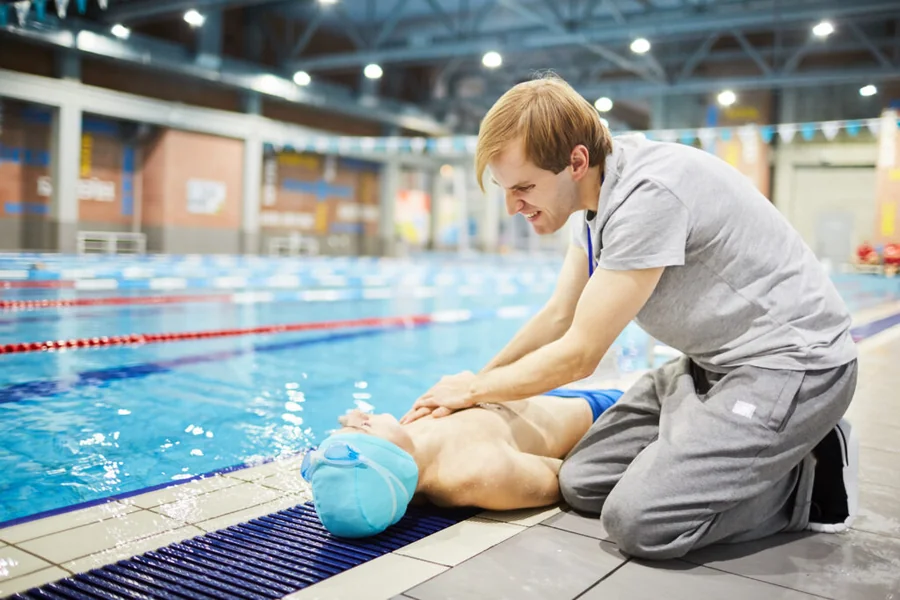
CPR is one of the most critical skills for water safety. When someone’s heart or breathing stops, every second matters. Deliver 30 chest compressions followed by two rescue breaths, repeating the cycle until professional help arrives or the person starts breathing again. If you’re not trained in providing rescue breaths, hands-only CPR—pressing firmly and quickly in the center of the chest—can still be lifesaving.
Those who complete a first aid course Kitchener program gain practical CPR and water-rescue skills, allowing them to act decisively and effectively in these situations. Being prepared transforms panic into purposeful action.
Step 4: Treat Shock and Secondary Complications
After a near-drowning or serious boating accident, victims often go into shock, even if they appear stable. Signs include pale skin, rapid heartbeat, weakness, or confusion. Lay the person down, elevate their legs slightly, and cover them with a blanket to retain body heat. Do not give them food or drink, as swallowing could cause choking or interfere with medical treatment.
Watch for delayed breathing issues—secondary drowning can occur hours after initial recovery when water left in the lungs causes inflammation. Seek immediate medical attention even if the victim seems fine.
Step 5: Handle Hypothermia Carefully
Cold water drains body heat quickly, leading to hypothermia even in temperatures as high as 21°C (70°F). Signs include uncontrollable shivering, slurred speech, slow breathing, and drowsiness. Move the person out of the water, remove wet clothing, and wrap them in dry blankets or towels.
Rewarm gradually using body heat or warm (not hot) compresses on the chest, neck, and armpits. Never use direct heat sources like fires or heating pads—they can cause burns or shock. Always seek professional medical care, as hypothermia can worsen unexpectedly even after rescue.
Step 6: Address Bleeding, Burns, and Injuries
Boating accidents often cause lacerations, fractures, or burns from fuel or equipment. Stop bleeding by applying firm, direct pressure with sterile gauze or a clean cloth. If a limb appears broken, immobilize it with a splint or soft padding and avoid unnecessary movement.
For burns caused by hot surfaces or chemicals, rinse the affected area with cool, clean water for at least 10 minutes and cover it with a non-stick dressing. Do not use ice or ointments. If clothing is stuck to a burn, leave it in place and seek medical help.
Step 7: Be Cautious With Head and Spinal Injuries
Spinal injuries are common in diving accidents or collisions. If you suspect a spinal injury, do not move the person unless it’s necessary to prevent drowning or further danger. Support their head and neck in the position found and keep them as still as possible. Avoid twisting or lifting until trained personnel arrive.
If the person is unconscious but breathing, gently stabilize their head with rolled towels or your hands to keep it aligned. Stay calm and reassure them constantly.
Step 8: Prevent Future Water Emergencies
Most water accidents are preventable through proper preparation and awareness. Always wear a life jacket when boating or participating in water sports. Avoid alcohol before swimming or operating watercraft—it impairs judgment and coordination.
Supervise children closely near any body of water, even shallow pools, and establish clear swimming boundaries. Never dive into unknown waters; unseen rocks or shallow depths can cause catastrophic injuries.
Learning basic first aid and water safety skills ensures you can respond swiftly and confidently when the unexpected happens. Regular training keeps these skills sharp and ready for real-life emergencies.
Step 9: Build a Water Safety Kit
Having a dedicated first aid and emergency kit for boating or water activities is just as important as having life jackets. Your kit should include:
- Waterproof bandages and antiseptic wipes
- Rescue whistle and rope
- Emergency blanket and spare towels
- Scissors and tweezers
- CPR mask
- Ice packs and burn dressings
Keep your kit in a waterproof container and check it regularly to replace used or expired items.
Step 10: Stay Prepared With Knowledge and Awareness
Water safety doesn’t end when you leave the pool or dock—it’s an ongoing commitment. Review emergency plans with family or boating companions before every outing. Identify nearby emergency numbers and understand how to describe your location accurately to rescuers.
If you’re on open water, ensure your boat has communication tools like a marine radio or charged mobile phone in a waterproof pouch. A few minutes of preparation before setting out can make the difference between an inconvenience and a tragedy.
Conclusion
Water activities bring joy, relaxation, and adventure—but they also demand responsibility. Knowing how to respond to drowning, hypothermia, or injuries ensures that help begins long before professionals arrive. Simple first aid actions performed calmly can preserve life and prevent further harm.
Preparedness, training, and vigilance form the foundation of water safety. By learning key rescue skills and maintaining awareness on the water, you create a safer environment for yourself, your loved ones, and everyone you share the waves with. Confidence in first aid knowledge doesn’t just make you a safer boater or swimmer—it makes you someone who can save a life when every second counts.