
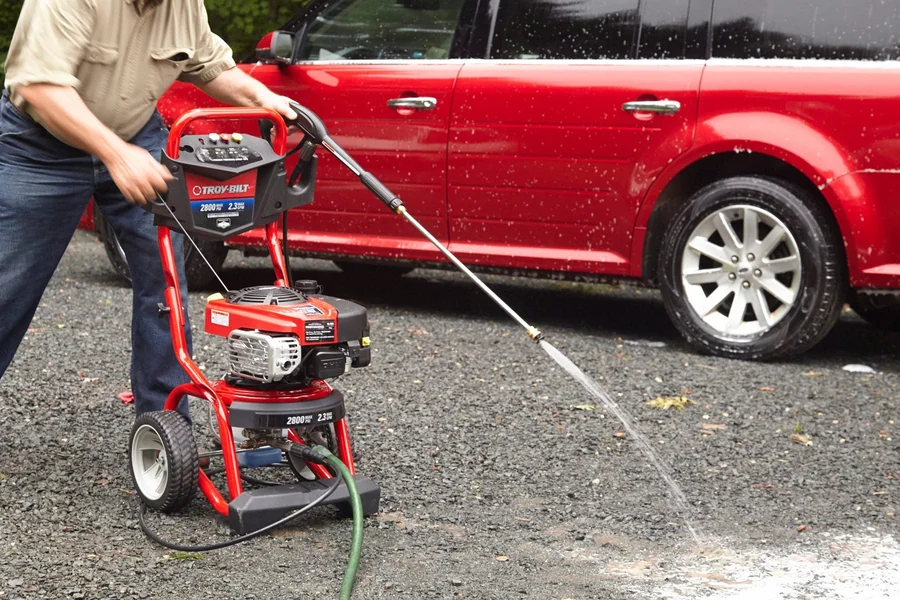
Owning a high-quality pressure washer is one of the best investments you can make for home exterior care. Whether you are stripping old deck stain, cleaning grime off a driveway, or washing the family SUV, the convenience of a modern unit is hard to beat. However, many homeowners make the mistake of treating these machines like a standard garden hose—set it and forget it. If you want to protect your investment and ensure consistent performance, understanding the nuances of your electric power washer is the first step toward a tool that lasts for a decade rather than just a couple of seasons.
Maintenance isn’t just about fixing things when they break; it’s about preventing the internal wear and tear that leads to pressure loss. When you use a reliable electric power washer, you are dealing with a precision-engineered pump and motor system that requires specific care to handle the high-velocity water flow it produces.
Why Electric Maintenance Differs from Gas Models
If you’ve owned gas-powered equipment before, you know the drill: oil changes, spark plugs, and air filters. Electric units are significantly more “user-friendly” because they eliminate the internal combustion engine. However, this often leads to a false sense of security.
With an electric motor, your primary concerns shift toward electrical safety, pump seals, and mineral buildup. Because these units are often lighter and more compact, their internal components can be more sensitive to heat and “dry firing” (running without water).
Pre-Operation Checklist: The Golden Rules
Before you even plug the unit into a wall outlet, there are three things you must do every single time.
- Inspect the Power Cord: Look for any frays or exposed wires. Since you are working with water and electricity, a compromised cord is a massive safety hazard.
- Clear the Inlet Filter: Most units have a small mesh screen where the garden hose connects. If this is clogged with sediment, your pump will starve for water, causing cavitation and permanent damage.
- Purge the Air: This is the most common mistake. Connect your hose, turn the water on, but leave the power off. Squeeze the trigger gun until a steady stream of water flows out without sputtering. This removes air pockets that can “shock” the pump when the motor kicks in.
Caring for the Pump: The Heart of the Machine
The pump is where the magic happens, and it’s also the most expensive part to replace. In electric models, the pumps are typically “wobble” or “axial” pumps. They are lubricated for life, meaning you don’t change the oil, but they are cooled by the water flowing through them.
Avoid the “Idle Trap”
Never leave your machine running with the motor “on” if you aren’t actually spraying water for more than two or three minutes. Even though most modern electric units have a Total Stop System (TSS) that shuts the motor off when the trigger is released, the internal seals can still hold onto heat. If you’re moving a ladder or taking a break, flick the power switch to the “off” position.
High-Pressure Hose and Nozzle Care
The hose is under immense stress during operation. To keep it in top shape, always uncoil it completely before use to prevent kinks. A kinked hose creates a pressure spike that can blow out a seal inside the machine.
Nozzle Maintenance
If you notice your spray pattern becoming distorted or the machine “pulsing” (surging on and off), you likely have a partially clogged nozzle. Use a small needle or a nozzle cleaning tool to poke out any grains of sand or mineral deposits. This is a 30-second fix that prevents the motor from straining against a blockage.
Choosing the Right Detergents
It is tempting to throw bleach or harsh dish soap into your detergent tank, but this is a recipe for disaster. Standard household bleach can eat through the rubber O-rings and seals inside the pump and wand.
Always use “pressure washer safe” soaps. These are formulated to be biodegradable and, more importantly, non-corrosive to the internal components of an electric power washer. If your unit uses a “downstream” injector (applying soap after the pump), you have a bit more flexibility, but it’s still best to stick to specialized solutions.
Post-Use Protocol: Ending the Job Right
What you do after you finish cleaning is just as important as the cleaning itself.
- Flush the Soap: If you used detergent, run clean water through the soap system for a minute to prevent the chemical from drying and clogging the internal valves.
- Depressurize: After turning off the water and the power, squeeze the trigger one last time. This releases the trapped pressure. Storing a wand and hose under pressure causes the O-rings to flatten and fail over time.
- Drain the Water: Tilt the machine slightly to get as much water out of the inlet/outlet as possible.
Winterization and Long-Term Storage
If you live in a climate where temperatures drop below freezing, “winterizing” isn’t optional—it’s mandatory. Water expands when it freezes; if there is a single tablespoon of water left inside the pump head, it can crack the metal housing.
Using Pump Guard
The best way to store your unit is to use a “Pump Guard” or “Pump Armor” lubricant. This is an aerosol or liquid that you pull into the intake. It displaces water, lubricates the seals, and provides an anti-freeze coating. It’s a $10 investment that saves a $200 machine.
Common Mistakes to Avoid
- Using the Wrong Extension Cord: Most electric washers pull significant amperage. If you use a thin, indoor extension cord, the motor will starve for voltage, overheat, and eventually burn out. Use a heavy-duty 12 or 14-gauge cord rated for outdoor use.
- Running Without Water: Never “test” the motor without the garden hose turned on. Even 30 seconds of dry running can melt the internal seals.
- Ignoring Leaks: If you see water dripping from the hose connection or the wand, fix it. Leaks cause the motor to cycle on and off repeatedly, which wears out the electrical switch.
Actionable Tips for Better Results
- The “Distance” Rule: Always start spraying from 3 feet away and move closer. This protects your surfaces and prevents “blowback” of dirt into your nozzle.
- O-Ring Lubrication: Once a month, apply a tiny bit of silicone grease to the O-rings on your hose and wand connections. They will click together easier and won’t leak.
- Clean Your Filters: Check the water inlet filter every third use. You’d be surprised how much sediment comes out of a standard city water line.
Frequently Asked Questions
Can I use hot water in my electric power washer?
Unless your specific manual states it is a “hot water” unit, the answer is no. Most consumer electric washers are designed for cold water only. Hot water can soften the plastic valves and ruin the pump seals.
Why is my pressure washer pulsing?
Pulsing is usually caused by a restriction in water flow. Check for a kinked garden hose, a clogged inlet filter, or a dirty spray tip. It can also happen if your garden hose isn’t providing enough Gallons Per Minute (GPM) to satisfy the pump.
How long should an electric power washer last?
With proper maintenance, a high-quality electric unit can easily last 5 to 10 years. The key is preventing freeze damage and ensuring the pump is never run dry.
Is it okay to leave my power washer outside?
It is not recommended. UV rays degrade the plastic housing and hoses, while moisture can lead to corrosion of electrical components. Store it in a dry garage or shed.
Conclusion
An electric power washer is a tool of efficiency, but it requires a disciplined approach to maintenance to stay that way. By following a simple routine purging air before use, using the right extension cords, and protecting the pump during winter you ensure that your machine is ready to work whenever you are. A little bit of preventative care today prevents a costly replacement tomorrow. Keep those nozzles clear, your seals lubricated, and your unit stored properly, and you’ll enjoy a pristine home exterior for years to come.