
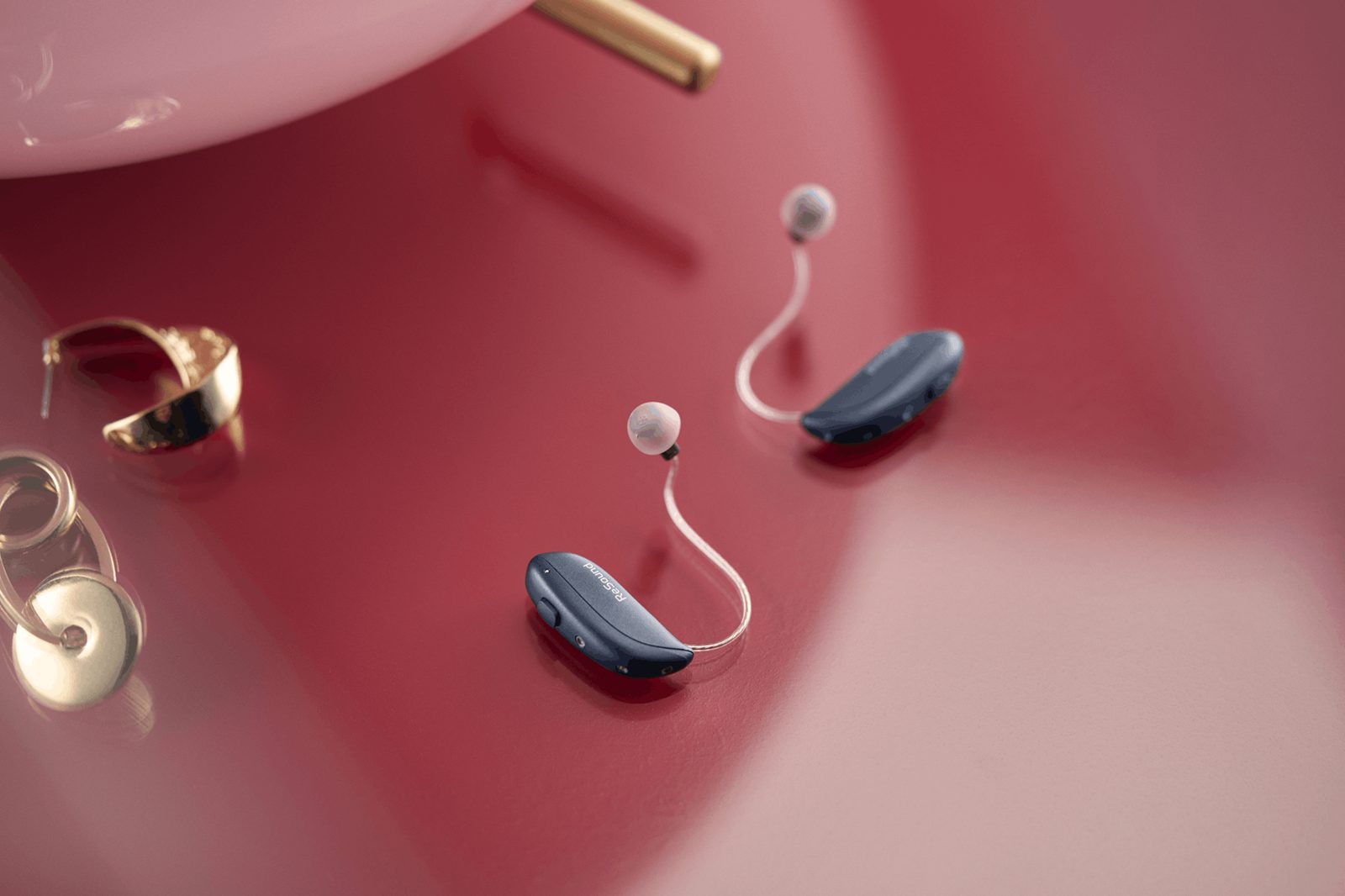
The latest ReSound hearing aids incorporate sophisticated algorithms, delivering clear audio that adapts to different listening environments, thus enriching user conversations in both quiet and noisy surroundings.
Features like automatic sound adjustment and customizable sound profiles empower users to personalize their hearing experience, addressing unique preferences and requirements.
Users can enjoy Bluetooth connectivity to stream music, answer calls, and connect with audiobooks directly through their hearing aids, drastically improving the overall audio experience.
In the newest models, directional microphones prioritize sounds from chosen directions, enhancing clarity and engagement during discussions in crowded spaces.
For those who value discretion, the Vivia model stands out, combining aesthetics with functionality, while the Nexia model boasts exceptional sound processing abilities ideal for varied environments.
Clients must consider factors such as the level of technology, brand credibility, and warranty details when assessing the cost of hearing aids, as these can influence overall expenditure and user satisfaction.
Ongoing maintenance, including regular cleaning and professional evaluations, is critical in prolonging the lifespan of hearing aids and ensuring they function optimally over time.
Revolutionary Innovations in ReSound Hearing Aids
What Makes the Latest ReSound Models Stand Out?
The newest resound hearing aids showcase a collection of innovative features that redefine the personal audio landscape. They’re more than just sound amplifiers; they represent a significant advancement in user interaction with their surroundings. Each model features cutting-edge algorithms for crisp sound that adapts to diverse listening situations, allowing users to comfortably partake in conversations, whether amid the din of a bustling café or within the hushed environment of a library.
What separates these hearing aids from others on the market are the unique functionalities like automatic sound adjustments and the ability to create sound profiles tailored to individual needs. It’s notable how ReSound integrates user feedback into their design, moving beyond a generic approach. Some models even offer rechargeable batteries, ensuring convenience for everyday use.
Additionally, these devices facilitate enhanced interaction with smartphone applications. The thoughtful user interface enables seamless navigation and command, adding a vital layer of personalization for both newcomers and experienced users.
Game-Changing Technology: Bluetooth Connectivity Unpacked
The introduction of Bluetooth technology into hearing aids is truly transformative. The era of purely analog devices has passed; modern hearing aids are sophisticated gadgets bridging the digital and personal audio realms effortlessly. Thanks to Bluetooth, users can directly stream music, participate in calls, or even enjoy their favorite shows right through their hearing aids. Such technology not only boosts sound quality but significantly enhances the overall user experience.
Imagine the impact of connecting to an array of devices. Accessibility to audiobooks, podcasts, and wellness programs becomes almost second nature. Professionals have noted that this feature noticeably elevates user satisfaction. Users can now rely on uninterrupted audio enjoyment without constant fiddling with settings. Just smooth, direct sound.
Moreover, with smartphone applications available, users can make instant adjustments tailored to their surroundings or personal preferences. Such a level of customization fulfills the desire for a unique hearing experience.
How Advanced Features Enhance Everyday Hearing
Day-to-day living presents a host of listening hurdles, which the newest ReSound models confront with advanced features head-on. A standout capability is the wind noise reduction technology, especially beneficial for outdoor enthusiasts. Picture taking a stroll in nature without constant gusts interrupting the experience. The clarity users gain is nothing short of refreshing.
Another remarkable development includes directional microphones that hone in on sounds from specific directions, enhancing conversations in bustling areas. Instead of becoming overwhelmed by background noise, users can focus on the voices that truly matter. This change makes social interactions feel less trying.
A significant number of users report improved clarity and comfort in their conversations, largely due to these innovative features.
All these advancements aim toward a singular objective: enriching the user’s quality of life. Feedback regularly indicates a marked increase in confidence during social situations. For individuals experiencing hearing loss, this can shift the narrative from isolation to connectivity.
Comparing Vivia and Nexia: Which Model Suits Your Needs?
The Key Differences Between Vivia and Nexia Explained
A closer look at the Vivia and Nexia models reveals important differences tailored to distinct user needs. Celebrated for its unobtrusive design, Vivia suits those who prioritize both style and performance. Its sleek look doesn’t compromise on functionality, especially with custom options that offer a snug fit. Users seeking subtlety in their devices often prefer Vivia.
On the other hand, Nexia caters to those who require robust features, providing superior sound processing and adaptability to different environments. This model is perfect for individuals who operate in diverse soundscapes, from busy workplaces to intimate gatherings. The enhanced capabilities of Nexia can be especially beneficial for those needing a more flexible solution. Evaluating one’s lifestyle plays a vital role in the choice between these two models.
- Vivia: Subtle design with a focus on aesthetics.
- Nexia: Features advanced sound processing with versatility.
- Suitability: Vivia appeals to style-conscious users; Nexia is geared towards active listeners.
Choosing a model involves more than just visual appeal. Understanding individual needs and considering the environments in which the hearing aids will be worn can significantly influence satisfaction levels post-purchase.
Choosing the Right Fit: How to Match Model to Lifestyle
Finding the ideal hearing aid encompasses more than functionality; physical fit and lifestyle integration are crucial. Is the user often part of large gatherings, or do they prefer quieter environments? These factors carry considerable weight. For active users, the Nexia, with its advanced sound processing, stands out as a compelling choice. Its adaptability shines in vibrant settings.
Conversely, for those less frequently engaged in lively social scenarios, Vivia offers seamless sound integration without drawing attention. It serves as an excellent option for cozy cafes or small get-togethers with friends. Ultimately, aligning hearing aid functions with day-to-day interactions proves essential.
- Active Lifestyle: Opt for Nexia.
- Casual Social Settings: Vivia is ideal for discreet use.
- Daily Usage Needs: Consider common environments when making a selection.
Finding this alignment is vital for ensuring user satisfaction and ongoing usage. Experts frequently advocate for thorough discussions with audiologists to clarify preferences and requirements.
Real User Experiences: Testimonials and Outcomes
User accounts frequently highlight the transformational effects of contemporary hearing aids. For example, one user shared how much clearer conversations became during her weekly discussions after transitioning to a newer model. She expressed that “it’s about regaining a sense of inclusion, participating without constant strain.” This essence resonates in many testimonials.
Moreover, users report a newfound control over their auditory surroundings. Altering settings to mitigate distractions has enabled many to engage deeply in conversations that previously felt intimidating. This shift emphasizes the evolving technology and its profound influence on social interactions.
“With my new hearing aids, I feel more connected to the world around me,” reflects a seasoned user. That connection holds immense value.
Such testimonials reflect widespread satisfaction with the latest innovations. The influence on relationships, participation in community activities, and overall well-being cannot be overstated. Today’s hearing aids facilitate not just sound but foster communication and connection.
Cost-Effective Ways to Buy ReSound Hearing Aids
Understanding Pricing: What Influences the Cost of Hearing Aids?
Purchasing hearing aids can be seen as an investment, and grasping their pricing can help potential buyers navigate the process with ease. Several key factors come into play, like the level of technology, brand reputation, and additional features. For example, models featuring advanced Bluetooth capabilities might carry a steeper price tag. However, such investments usually lead to substantial improvements in user satisfaction.
Considerations around warranties and customer support also influence cost. Higher-end models may come with extended warranties or responsive customer service—factors that justify their elevated prices. Understanding which features contribute to costs emphasizes the value each model presents.
- Technology Level: Generally, more features lead to higher prices.
- Brand Reputation: Established brands tend to command premium rates.
- Support and Warranty: Inclusive services can warrant increased costs.
Being aware of these elements enables potential users to make informed choices according to their budget and needs.
Online vs. In-Store: Where to Get the Best Deals
The discussion between online shopping and in-store purchases continues, particularly regarding hearing aids. Often, online shopping unveils better pricing options fueled by competitive market conditions. Users can frequently discover remarkable deals through specialized and wholesale retailers.
Conversely, in-store purchases provide valuable interactions with licensed professionals. The chance to try on different models and receive personalized guidance brings considerable advantages, ensuring users can assess comfort and performance under expert supervision.
- Online: Typically more affordable, offering a broad selection.
- In-Store: Delivers personalized experiences and hands-on trials.
- Best Approach: Weigh both options based on individual needs.
Ultimately, the decision rests on personal comfort with technology and whether one seeks expert help or aims for cost efficiency. Combining both experiences can lead to a well-informed purchasing journey.
Wholesale Buying: Is It the Right Option for You?
Wholesale buying presents an enticing alternative for acquiring hearing aids. The potential for significant cost savings makes premium hearing aids available to a wider audience. Nonetheless, prospective buyers should methodically weigh the pros and cons. The nature of wholesale often means limited direct interaction with professionals, with many transactions conducted through online platforms.
That said, making sure that wholesale purchases include essential considerations—such as warranties and after-sale support—is crucial. Many reputable wholesale suppliers continue to provide customer service, including remote consultations, which can alleviate some potential drawbacks.
- Cost-Effective: Substantial savings when choosing wholesale.
- Consider Support: Verify availability of warranty and service options.
- Research Options: Quality can greatly vary among wholesalers.
Maximizing Your Hearing Aid Experience
Essential Tips for New Users: Getting Started Right
New users may find their initial experience with hearing aids somewhat daunting. The key is to keep things straightforward. Comfort with the device is paramount, and many recommend starting in familiar environments to gradually acclimate to varying sound levels. Such a gradual approach significantly eases the transition.
Moreover, setting realistic expectations is vital. Getting accustomed to different settings and optimizing audio configurations takes time. Engaging support from family and friends can help make adjustments feel less intimidating while also providing valuable feedback.
- Take Baby Steps: Begin in familiar environments.
- Set Expectations: Understanding adjustment takes time and patience.
- Encourage Feedback: Involve trusted friends and family in the process.
This approach not only nurtures confidence but also keeps new users connected to their hearing aids.
Maintaining and Caring for Your Hearing Aids
Proper maintenance plays a crucial role in extending the lifespan of hearing aids. Regularly cleaning microphones and speakers ensures they deliver optimal sound quality. Experts often recommend using a soft, dry cloth for consistent upkeep. Accumulated dust and moisture can impede performance over time, so scheduling regular professional check-ups to spot issues before they grow is essential.
Entertainment can often be found in the multitude of videos and tutorials available on care best practices. Numerous online resources guide users on managing daily wear and tear effectively. Investing time in these practices pays dividends in the long run.
- Regular Cleaning: Maintain devices with a soft cloth.
- Check Batteries: Consistent battery changes ensure performance.
- Professional Check-Ups: Routine maintenance keeps aids functioning optimally.
Highlighting the importance of care equips users to maximize their investment and preserve audio quality.
Engaging with Support: How Licensed Experts Can Help
Engaging with expert support can dramatically enhance the hearing aid experience. Users should feel empowered to ask questions and raise concerns, as this interaction can facilitate better adaptation and setting optimization. Many professionals offer ongoing assistance to ensure access to the latest technology and practices.
Consulting with professionals, including audiologists and support teams, opens avenues for tailored adjustments and expert guidance. This collaboration fosters confidence in effectively managing hearing needs.
- Regular Check-ins: Keep a proactive relationship with professionals.
- Utilize Resources: Seek educational support and materials.
- Ask Questions: Be an advocate for personal hearing health.
FAQ
What are the key advantages of using Bluetooth hearing aids?
Bluetooth hearing aids provide unmatched connectivity, enabling users to stream audio directly from their devices. This encompasses phone calls, music listening, or enjoying podcasts seamlessly. Professionals frequently emphasize how this feature enhances user satisfaction by creating an immersive audio environment.
How do rechargeable hearing aids compare to traditional battery models?
Rechargeable hearing aids eliminate the inconvenience of frequent battery changes, offering both convenience and sustainability. Users commonly find they can charge their devices overnight for a full day of uninterrupted use. This feature is particularly appealing for those who prioritize ease of use in their daily lives.
Can hearing aids improve social interactions?
Certainly. Hearing aids enhance clarity and comprehension, allowing users to join conversations with renewed confidence. Many find that enhanced auditory experiences lead to greater participation in social gatherings, strengthening connections with family and friends.
What should users consider when choosing between different models?
The selection of a hearing aid model should consider various factors, including lifestyle, frequency of social activities, and personal preferences. Users should evaluate their typical environments—whether busy outdoor areas or quieter indoor spaces—to determine which features offer the most effective auditory experience.
How often should hearing aids be professionally serviced?
Regular servicing, ideally at least once a year, is essential for maintaining optimal functionality. Experts advise scheduling check-ups to ensure devices are operating efficiently and to address any potential issues before they become serious concerns. This thorough care enhances the value of investments in hearing technology.
Are there specific features beneficial for outdoor use?
Indeed. Features such as wind noise reduction and moisture resistance are particularly advantageous for outdoor users. These technologies improve sound clarity in varied conditions, making outdoor activities more enjoyable without sacrificing auditory quality.
What role do smartphone applications play in managing hearing aids?
Smartphone applications enable users to control their hearing aids directly from their devices. These apps facilitate instant adjustments to match different environments, ensuring a customized auditory experience. This level of personalization is crucial for maximizing user satisfaction.
How long can users expect their hearing aids to last with proper care?
With appropriate maintenance and regular evaluations, hearing aids can last several years, typically around 5 to 7 years. Users who consistently clean their devices and adhere to care guidelines often discover that longevity significantly enhances their overall commitment and daily experience.