
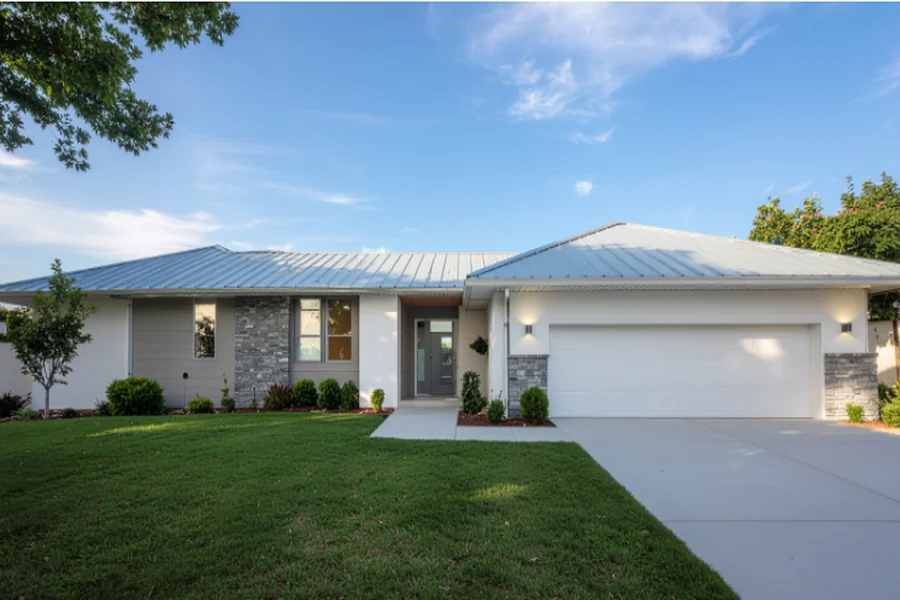
Here’s something nobody tells you: hiring the wrong roofing contractor can completely wreck what should be a smart investment. Every year, countless property owners end up stuck with shoddy installations because they rushed the vetting process. Bad workmanship doesn’t just look terrible; it invalidates your warranties, creates leaks, and forces you into pricey fixes before your first year is even up. This article breaks down the practical steps you need to take when evaluating contractors, making sense of competing bids, and spotting the warning signs before you put pen to paper. You’ll know exactly how to tell the difference between real professionals and those fly-by-night operators who vanish the moment trouble starts.
When considering a metal roofing service, it’s crucial to evaluate the company’s reputation and experience. Look for reviews and testimonials from previous clients to gauge their satisfaction levels. Additionally, ensure the service provider is licensed and insured, which offers peace of mind and protection against potential liabilities. For those in the Midwest, exploring local options can be beneficial. For instance, if you’re seeking reliable roofing services in St. Louis MO, it’s wise to choose a company with a proven track record in the area. This not only supports local businesses but also ensures that the service provider is familiar with regional weather conditions and building codes, which can significantly impact the longevity and performance of your metal roof.
The Non-Negotiable Credentials Your Contractor Better Have
Here’s where you start, not with price discussions, but with proof that your metal roofing service actually has the credentials to protect what you’re about to spend. These requirements aren’t bureaucratic nonsense. They’re your insurance against catastrophe.
Current Licensing and Proper Insurance
Any contractor worth considering needs up-to-date state licensing for roofing projects. Your state’s licensing board website lets you confirm this in under five minutes. Skip it at your peril. Their general liability policy should hit at least $1-2 million in coverage, and workers’ comp needs to be active so you’re not liable if someone takes a tumble on your property. Here’s a pro move: request certificates straight from their insurance company, not photocopies the contractor hands you. Remember, standard asphalt shingles start losing wind resistance after a decade, which makes proper installation by licensed pros absolutely critical when you’re putting money into superior materials.
Why Manufacturer Certifications Actually Matter
The best metal roofers don’t just show up with tools; they carry manufacturer certifications from big names in standing seam systems. Getting certified isn’t some weekend course. It demands training, documented success, and continued education. When installers have these credentials, you typically get stronger warranty protection because manufacturers actually trust how they work. Also, look for Metal Construction Association accreditation. That tells you they’re keeping pace with current industry methods and standards.
Professional Organization Involvement
Membership in the National Roofing Contractors Association and Better Business Bureau accreditation aren’t just fancy logos. These organizations enforce quality benchmarks and hold their members accountable. Dig into BBB ratings and actually read through complaint records. Participation in your local home builders association matters, too, as it shows they’re invested in the community and answerable to it.
Now that the stakes are clear, let’s tackle the absolute essentials: the credentials that separate legit contractors from those who could stick you with a financial disaster.
When considering a metal roofing service, it’s crucial to delve into the specifics of their past projects. This not only provides insight into their craftsmanship but also their ability to meet deadlines and budgets. A reputable company will be transparent about their work history and eager to share client testimonials. To ensure you’re making an informed decision, take the time to get details about our work, which can offer a clearer picture of what to expect. By doing so, you can confidently choose a service that aligns with your expectations and needs, ensuring a smooth and satisfactory roofing experience.
Measuring Real Technical Know-How for Metal Installation
Credentials prove a contractor can legally operate. They don’t prove they’ll actually deliver excellent results. Next up: figuring out how to assess real-world performance through past work, customer feedback, and reputation signals that reveal the quality you’ll actually get.
Material Knowledge You Can Verify
When you’re trying to choose metal roofing contractor candidates, throw some specific questions their way about gauge thickness, say, the differences between 22-gauge versus 29-gauge steel. A contractor who knows their stuff will explain that thicker gauges run more expensive but handle denting way better. They should talk coating systems like Kynar 500 and PVDF without fumbling. Most contractors also get that quality metal roof installation depends on solid structural components, and when you ask about support materials, the good ones will mention getting steel purlins for sale from reliable suppliers. These are crucial for supporting panels correctly and stopping sagging down the road.
Installation Technique Capabilities
Standing seam systems demand mechanical locking expertise that your average roofer probably doesn’t have. Ask them to walk you through their strategy for accommodating thermal expansion metal expands and contracts dramatically as temperatures shift. Quality underlayment, proper ventilation, and flashing details? That’s what separates installations that last from problems waiting to blow up. Get them to show you photos from previous jobs with these critical details visible.
Experience in Your Specific Climate
Your local weather patterns dictate specific needs. Coastal properties need corrosion-resistant materials and specialized fasteners. Snow-heavy regions require calculated slope considerations and strategies to prevent ice dams. High-wind areas demand reinforced attachment approaches with hurricane clips. Confirm your contractor has finished multiple projects under conditions matching yours.
A great reputation means nothing if the contractor lacks the specialized technical knowledge metal roofing actually requires. Let’s look at the specific installation skills and material understanding that separate true metal roofing experts from general contractors.
What You Need to Know About Warranty Protection
Even flawless installation only goes as far as the guarantees backing it up. Understanding warranty structures and what they genuinely cover versus what they don’t protects your investment across decades.
Material Warranties Versus Workmanship Guarantees
Manufacturer warranties usually cover paint finish for 30-40 years and substrate perforation for 20-50 years. But read the fine print, these come with limitations. Contractor workmanship guarantees should run at least 10 years, covering leaks and installation mistakes. Get absolutely everything documented in writing. Verbal commitments are worthless when you’re staring at a leak five years later.
How to Accidentally Void Your Coverage
Unauthorized repairs, skipped maintenance, or structural changes can kill warranties instantly. Some warranties are prorated, meaning your coverage decreases every year. Non-prorated warranties hold full value throughout their duration, a huge difference. Check transferability, too, if you might sell down the line. Metal roofing runs 40-70 years, even in challenging high-wind zones like Florida, so warranty terms really matter over the long haul.
With warranty expectations set, you’re ready to evaluate proposals intelligently. Here’s how to dissect estimates, compare competing bids effectively, and identify pricing red flags that could telegraph future headaches.
How to Actually Compare Quotes and Contract Terms
A thorough estimate is just step one; how a contractor communicates during your entire project often determines whether you’re satisfied overall. Learn the communication standards and project management approaches that separate organized professionals from chaotic ones.
What Professional Estimates Actually Look Like
Quality quotes break out every single component panel, fasteners, trim, underlayment, labor, permits, and disposal. This transparency lets you genuinely compare different bids. When you’re figuring out how to hire metal roofing company professionals, gather at least three quotes. Bids coming in 30% under competitors usually mean corners get cut or surprise fees appear later.
Contract Red Flags You Can’t Ignore
Never hand over more than 30% upfront; that’s a massive warning sign. Payments should connect to completion milestones, with 10-15% held back until you approve the final inspection. Vague timeline language, missing material specs, or unclear change order procedures? Trouble ahead. Make certain the contract specifies who handles permits and schedules inspections.
Clear communication matters most when it protects what’s important: your family, your property, and the workers on your roof. Let’s examine the safety and site management practices every responsible metal roofing service absolutely must follow.
Safety Protocols and How They Manage Your Site
With safety protocols ensuring secure installation, the next practical question becomes making your investment financially workable. Explore the financing options and payment structures that can make premium metal roofing achievable.
OSHA Compliance Isn’t Optional
Fall protection systems are mandatory, period. Ask contractors about their documented safety plans and worker training records. Proper ladder protocols, scaffolding setup, and electrical hazard awareness for metal installations protect workers and shield your liability.
How They Should Protect Your Property
Magnetic sweepers pick up metal scraps and fasteners that could wreck tires. Tarps safeguard landscaping, and driveway protection prevents equipment damage. Daily cleanup shows professionalism and genuine respect for your property.
Beyond financing, forward-thinking contractors provide cutting-edge solutions that boost your metal roof’s performance and value. Learn about the modern technologies and sustainable options representing the industry’s future.
Modern Technology and What’s New
While innovative contractors showcase industry best practices, you also need to recognize warning signs of those who could compromise everything. Here are the critical red flags that should immediately eliminate a metal roofing service from your consideration.
Warning Signs That Should Disqualify Contractors
No physical business address? Walk away. Pressure to sign today, requests for full payment upfront, or operating under multiple business names all scream problems. Cash-only payment demands often indicate tax evasion and zero recourse when things go sideways.
Actually Checking References (Not Just Collecting Them)
Call at least three recent customers yourself. Ask about communication quality, timeline accuracy, cleanup practices, and whether they’d hire this contractor again. Online reviews across Google, Yelp, and Angi show patterns, good and bad.
Avoiding problematic contractors is essential, but your relationship with your roofing service shouldn’t end when installation wraps up. Quality contractors distinguish themselves through comprehensive post-installation support, protecting your investment for decades.
What Happens After Installation
National standards matter, but your metal roof must also handle the unique demands of your specific location. Understanding regional factors ensures you pick a contractor with local expertise that your climate and building codes require.
Maintenance Programs Worth Considering
Annual inspections catch small problems before they become expensive emergencies. Some contractors provide maintenance plans including gutter cleaning, fastener tightening, and touch-up coating services. These programs often deliver priority service during storm season.
With all evaluation criteria established, it’s time to synthesize everything into a confident choice. This decision framework transforms your research into a clear selection backed by an objective comparison.
Making Your Final Decision
| Evaluation Factor | Weight | What to Look For |
| Credentials & Insurance | 20% | Valid licenses, $1M+ liability coverage, workers’ comp |
| Experience & Portfolio | 20% | 10+ years, similar climate projects, references |
| Warranty Coverage | 15% | 10+ years of workmanship, manufacturer backing |
| Price & Value | 15% | Mid-range pricing, itemized quotes |
| Communication | 15% | 24-48 hour response, detailed proposals |
| Safety & Insurance | 10% | OSHA compliance, property protection plan |
| Technology | 5% | Modern tools, design visualization options |
Armed with your decision framework, you probably still have specific questions about the metal roofing selection process. These frequently asked questions address the remaining concerns homeowners typically face when hiring metal roofing services.
Common Questions About Hiring Metal Roofers
How long should metal roof installation take for an average home?
Most residential metal roof installation projects run 3-7 days, depending on size, complexity, and weather conditions. Tear-off adds another 1-2 days. Realistic contractors build weather delays into their timeline and communicate proactively when schedules need adjusting.
What’s the difference between a general roofer and a metal specialist?
Metal specialists bring dedicated training, specialized equipment like metal brakes, and manufacturer certifications. They understand thermal movement, correct fastening patterns, and metal-specific flashing details that general roofers frequently miss, preventing costly callbacks.
Should I choose local contractors or national companies?
Local contractors typically deliver better accountability, faster response times, and easier reputation verification within your community. National companies offer standardized processes and broader resources. Most homeowners prefer local operators who’ve established themselves in their specific climate conditions.
Final Thoughts on Selecting Your Metal Roofing Professional
Choosing the right metal roofing service protects your investment for decades, while poor contractor selection leads to expensive repairs, voided warranties, and ongoing frustration. Verify credentials thoroughly, compare detailed quotes from multiple contractors, and check references diligently before signing anything. The time you invest in proper vetting pays off in quality workmanship, reliable warranties, and genuine peace of mind. Don’t let upfront costs drive your decision. Focus on proven expertise, transparent communication, and comprehensive warranty coverage. Your roof deserves nothing less than a qualified professional who’ll stand behind their work for years to come.