
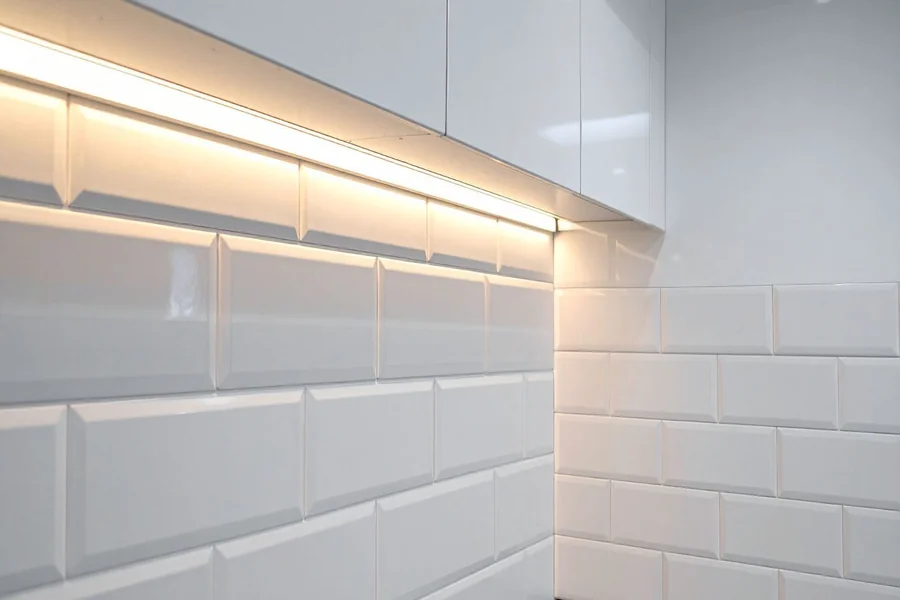
You’ve seen them everywhere. Old subway stations. Brand-new million-dollar kitchens. Friend’s rental apartments. They’re like that favorite pair of jeans somehow always working, never really “out.”
While design magazines chase the next shiny thing, this rectangular tile just… stays. And honestly? That’s not an accident.
Whether you’re stuck with a tiny rental kitchen or building your dream culinary palace, this tile keeps delivering. Five years later, ten years later still looks good. No regrets. That’s rare in home design.
What’s Actually Going On With Our Brains and These Tiles?
There’s real psychology here, not just “oh, it looks nice.” Our attraction to this particular tile runs way deeper than surface-level aesthetics.
The White Thing: It’s Not Just Pretty
Science backs this up. Our brains respond to white in predictable ways. [White kitchen cabinets are always in style, triggering this automatic sense of “clean” and “spacious” that we can’t really turn off. Same deal with subway tiles. Food prep areas? We instinctively want them to feel hygienic.
Plus, physics helps. White bounces light around better than literally any other color. Your cramped kitchen suddenly feels breathable. Bigger.
And here’s the kicker for resale: buyers see potential, not your specific taste; they’ll need to rip out. That neutrality translates to actual dollar value when you sell.
How Minimalism Made These Tiles Even More Popular
Beyond color science, there’s a cultural piece. Scandinavian design. Japanese aesthetics. Both are obsessed with simplicity and uncluttered surfaces.
These tiles fit perfectly into that “less is more” philosophy that’s dominated for years now. Instagram and Pinterest? The data’s wild, consistent popularity for over a decade. Most design trends crash hard after three years. Not this one.
Design Flexibility: Your Blank Canvas Starts Here
Understanding why we love these tiles matters less than what you can actually do with them. And that’s where things get fun.
Bold Cabinets Need This Tile (Trust Me)
Modern kitchens are going dark. Deep colors. Saturated hues. When you’re adding a white subway tile backsplash to the mix, it becomes this perfect breathing room.
Emerald cabinets? Suddenly sophisticated, not loud. Navy? Elegant nautical vibes without screaming “beach house.”
Even black cabinets which used to terrify homeowners now work beautifully when you soften them with bright tile. The contrast gives you an architectural definition. Both elements pop.
Terracotta and sage? Those warm 2024-2025 trendy colors gain serious depth against crisp white backgrounds. Two-tone cabinet strategies especially benefit here. The white tile connects your upper and lower cabinets visually, preventing that “too busy” disaster.
Grout Color: Your Secret Weapon
Here’s what most people miss: grout color completely transforms the same white tile.
White-on-white? Total spa vibes. Seamless. Calming. Very modern.
Charcoal or black grout? Suddenly, you’ve got this bold grid effect, very contemporary, very industrial.
What’s unexpected: blush pink and sage grout are trending for 2025. Adds personality without going overboard.
Practical reality check darker grout hides coffee splashes, but can fade. White grout shows everything, but you can refresh it with grout pens. Medium gray might be your sweet spot.
Hardware Brings It All Together
Your fixtures and hardware? That’s the jewelry completing your white subway tile kitchen look.
Matte black hardware with white tile? Modern farmhouse staple at this point. Everywhere.
Brass and gold add warmth preventing your classic subway tile design from feeling sterile or hospital-like. Chrome keeps it professional if you’re serious about cooking.
Mixed metals? Actually works great because the neutral backdrop doesn’t fight for attention.
Pattern Layouts That’ll Make People Do a Double-Take
Once you’ve nailed color coordination, pattern selection completely reinvents the look. Let’s start simple, then get creative.
Traditional Patterns, Fresh Execution
The running bond (brick pattern) is still most recognizable. But 2025 versions favor wider, more deliberate grout spacing.
The vertical stack creates an illusion. Great for compact kitchens with standard eight-foot ceilings suddenly they feel taller.
Horizontal stack does the opposite widens narrow galley kitchens by emphasizing lateral movement. Simple trick, zero extra cost, measurable impact.
Contemporary Patterns Worth Considering
Herringbone adds sophistication through diagonal orientation. [Standard-size white, horizontal subway tiles are still popular, but herringbone gives them a contemporary edge without abandoning their timeless foundation.
Chevron is subtly different tiles cut at angles creating continuous V-shapes instead of staggered rectangles.
Basketweave adds texture while keeping brightness. Arabesque and scalloped variations bring curves to the traditionally rectangular format, softening everything.
Material Choices and Size Matter More Than You Think
Pattern impacts visual interest. Material determines performance, light reflection, and aging. Let’s explore beyond basic ceramics.
Premium Materials If You’re Splurging
Handcrafted artisan ceramic tiles with glaze variations elevate subway tile to art. Each piece has a unique character.
Marble subway tiles Carrara, Thassos, Calacatta bring natural veining and luxury. More maintenance is required, though.
Glass subway tiles amplify natural light through reflection. Perfect for darker kitchens with limited windows.
Porcelain versus ceramic matters for heavy-use kitchens. Porcelain offers superior durability and moisture resistance for serious cooks generating major splatter.
Finish matters too. Glossy gives traditional shine. Matte delivers contemporary sophistication and better fingerprint resistance. Beveled edges add dimensional depth, creating shadows that shift throughout the day.
Size Selection Strategy
Standard 3×6 inch proportions became iconic for good reason time-tested, works across styles and sizes.
Oversized tiles (4×12, 4×16, 6×12) create modern, streamlined looks with fewer grout lines. Easier maintenance over time.
Mini subway tiles (1×3 or 2×4) work beautifully for vintage and boutique kitchens, creating intricate effects. Installation complexity increases significantly, though, affecting DIY feasibility and professional labor costs.
Mixed sizes create visual interest, establishing focal points without introducing different colors or materials.
Real-World Performance: The Practical Stuff Nobody Mentions
Trends are fun. But how do these tiles actually perform after years of daily kitchen abuse?
Cleaning Reality Check
“High-maintenance white” is mostly a myth. Daily maintenance? Wipe down with a damp cloth after cooking. That’s it.
Deep cleaning monthly with pH-neutral cleaners. Natural solutions like diluted vinegar work just as well as commercial cleaners.
Grout needs more attention than the tiles themselves. Sealing requirements vary epoxy grout resists staining naturally, cement-based grout needs annual sealing.
High-splash zones behind cooktops benefit from more frequent sealing, maybe every six months.
Longevity compared to alternative backsplash materials? These timeless kitchen backsplash ideas deliver decades. Expect solid performance at 10, 20, even 30 years. Minimal intervention.
Resale value impact is substantial buyers recognize quality tile work as a selling point, not something needing replacement.
What You’ll Actually Spend
Material costs vary wildly. Budget ceramic runs $3-8 per square foot. Mid-range $8-20 offers better quality control. Premium materials $20-50 plus. Luxury handcrafted and marble options hit $50-150 per square foot.
Installation costs depend on pattern complexity. A simple running bond costs less than a herringbone, requiring precise cuts and longer installation time.
Hidden costs: grout, adhesive, sealing materials, edge trim, 10-15% waste factor.
What Pros Say and Mistakes to Dodge
Real renovations provide insights, but what do professionals designing hundreds of kitchens think?
Why Designers Keep Recommending These Tiles
Leading interior designers consistently recommend them for practical and aesthetic reasons. The versatility works across styles without limiting future changes.
Clients report high satisfaction years later because the look doesn’t feel dated or tied to specific eras.
Historical precedent suggests staying power elements relevant for 100-plus years rarely disappear suddenly. Emerging trends complement rather than replace, adding new patterns or finishes while fundamental appeal persists.
Common Mistakes That Ruin the Look
Incorrect scale selection for space size is a frequent mistake. Oversized tiles in tiny kitchens overwhelm. Miniature tiles in expansive spaces look busy and fussy.
Poor lighting creates shadows or a yellowish cast, undermining white’s fresh appeal.
Mismatched undertones between tiles, grout, and cabinets create subtle discord hard to pinpoint but definitely noticeable.
Over-complicating with too many competing elements results in visual chaos, not sophisticated design.
Installation errors compromise appearance. Inconsistent grout spacing looks amateurish. Poor tile alignment catches light, drawing attention to flaws. Wrong adhesive selection leads to tiles popping off the walls later.
The Money Question: What’s Your Return?
Most homeowners want the bottom line: what will this cost, and will you get that money back?
What Happens When You Sell
National real estate data shows kitchen renovations deliver strong returns, with subway tile backsplash trends appealing to broad buyer demographics.
Buyer surveys rank white subway tile installations highly updated without being aggressively trendy. This sweet spot matters enormously when selling.
Regional variations exist, but white subway tile maintains appeal across geographic boundaries. Bold, of-the-moment selections can actually deter buyers, seeing them as something needing changing.
Who Actually Likes This?
Millennial homebuyers appreciate Instagram-worthy aesthetics and low-maintenance properties.
Gen X and Baby Boomer buyers are attracted to classic designs, feeling familiar and well-executed.
Multi-generational appeal offers advantages that few design elements match.
Staging professionals consistently recommend these installations because they photograph well and don’t distract from other features. Design equivalent of neutral accent present but not demanding.
Your Burning Questions Answered
Does white subway tile make kitchens look dated?
Not when executed properly. The tile itself isn’t dated; how you install and style determines the outcome. Modern execution through pattern choice, grout color, and surrounding elements keeps the look fresh indefinitely.
What grout color hides stains best?
Medium gray offers an optimal compromise between hiding stains and maintaining visual appeal. Modern stain-resistant grout technology has improved dramatically, making lighter colors more practical than before.
How long does installation take?
Standard kitchen backsplash takes 1-2 days for professional installation, including prep. DIY projects extend to 3-5 days for most homeowners. Pattern complexity, wall condition, and installer experience all affect the timeline significantly.
Why This Choice Still Makes Sense
From psychological comfort to practical performance, white subway tile delivers on multiple levels, explaining its century-long dominance.
The versatility allows personalization, while a classic foundation ensures you’re not gambling on trends, feeling dated in three years. Whether you choose traditional brick patterns or contemporary herringbone, standard ceramic or premium marble, you’re investing in design that’s literally stood the test of time.
Think of it as a foundation rather than a trend, something you build upon with changeable elements like hardware, paint colors, and decorative accessories that can evolve as your tastes shift. That’s smart design.