

Dive into Japanese culture with our in-depth guide to Sake tasting and enjoyment! Discover the flavours and rituals of this iconic beverage while enhancing your journey of taste discovery today!
The Importance and Role of Sake in Japanese Culture
Sake holds a profound significance in Japanese culture, serving as a symbol of hospitality, tradition, and spiritual connection. From religious ceremonies to festive occasions, sake has been a part of Japan’s cultural fabric for centuries. It is often associated with bringing people together, whether it’s shared during intimate family meals or celebratory events.
The Art of Sake Tasting and Enjoyment
Sake, often called nihonshu in Japan, is brewed through a unique fermentation process. While it’s commonly referred to as “rice wine,” sake’s production is closer to brewing beer. Made from four key ingredients—rice, water, yeast, and koji mould—sake offers an incredibly diverse range of styles and flavours. From light, fruity brews like Junmai Ginjo to more robust, earthy options like Junmai, sake has evolved to cater to a wide variety of tastes. Today, it stands as both a celebratory beverage and a staple at the dining table.
Understanding Sake and Its Place in Japanese Culture
Brief History of Sake
Sake’s origins date back more than a thousand years. Initially brewed for religious and ceremonial purposes, it gradually became a popular beverage across Japan. Today, sake is enjoyed by people of all ages, representing both a deep cultural heritage and a modern Japanese lifestyle.
The Importance of Sake in Traditions and Rituals
In Japanese culture, sake plays a central role in various rituals. It is considered sacred, often used in Shinto ceremonies and other traditional celebrations. Sake is a bridge between the physical and spiritual worlds, embodying purity and connection during special moments like weddings, New Year’s celebrations, and festivals.
Sake in Modern Japanese Society
While sake holds strong cultural importance, it has adapted to modern tastes. It remains a key beverage in celebrations, but today it is also enjoyed casually in social gatherings, meals, and bars, where it helps bridge generations and build connections between people.
The Sake Brewing Process
Overview of Materials: Rice, Water, Yeast, and Koji
Sake’s creation begins with four essential ingredients: rice, water, yeast, and koji. The rice serves as the main ingredient, providing the starch necessary for fermentation. Water affects the flavour, and yeast initiates fermentation, while koji is a mould that helps convert the starch into fermentable sugars.
The Brewing Stages
Sake brewing involves several stages: washing and polishing rice, fermenting the rice mash, pressing, and ageing. Each stage contributes distinct characteristics to the final product. The rice must be polished to remove impurities and ensure a pure fermentation process. This careful crafting process defines the final flavour profile of each sake.
Factors Influencing Sake’s Taste and Quality
The quality of sake is influenced by factors such as water source, rice variety, fermentation techniques, and the use of specific yeast strains. These elements combine to create sake’s delicate balance of flavour, aroma, and mouthfeel, offering a drink that is both complex and versatile.
Types of Sake
Different Classes and Styles of Sake
Sake comes in a variety of types, which can be classified based on the level of rice polishing and fermentation techniques. The most common types include:
- Junmai: Made with pure rice and water, offering a fuller, more robust flavour.
- Ginjo: A premium sake made with rice polished to at least 60%, offering a lighter, more fragrant profile.
- Daiginjo: An even more refined version of Ginjo, with rice polished to 50% or less.
- Nigori: A cloudy, unfiltered sake with a rich texture and sweet, creamy taste.
Sake Comparisons
Each sake type offers unique characteristics that cater to different tastes. Junmai is hearty and earthy, Ginjo is fragrant and light, and Nigori provides a sweet, creamy experience. Understanding these differences helps you choose the right sake for various occasions and personal preferences.
The Art of Sake Tasting
Sake Tasting Technique: Look, Swirl, Smell, Sip, and Savor
To properly enjoy sake, use the following tasting technique:
- Look: Observe the clarity and colour of the sake.
- Swirl: Gently swirl the sake to release its aromas.
- Smell: Inhale deeply to assess its fragrance.
- Sip: Take a small sip to let the flavours settle on your palate.
- Savour: Reflect on the balance of flavours and how they evolve.
Decoding Flavors and Aromas
Sake can range from sweet to dry, fruity to earthy. The key flavours include rice, fruit, floral notes, and sometimes a touch of umami. Each sake offers a unique bouquet that reflects its origin and brewing process.
Developing a Palate for Sake
To develop a refined palate for sake, try a variety of styles, take notes on the flavor profiles, and pair them with foods. Experiment with different types, from the lighter Ginjos to the richer Junmai, to understand your preferences better.
Enjoying Sake: Pairing and Serving Techniques
Popular Sake Food Pairings
Sake pairs beautifully with many dishes, enhancing the flavours of food. Common pairings include:
- Sushi: Delicate flavours of sake complement fresh fish.
- Tempura: Crispy tempura is enhanced by a smooth sake like Ginjo.
- Grilled Meats: The richness of sake matches the smoky flavours of grilled foods.
- Cheeses: Surprisingly, sake also pairs well with cheeses, creating a unique culinary experience.
Proper Serving Temperatures
Sake can be served at different temperatures, depending on the type:
- Chilled: Premium sake like Ginjo and Daiginjo is best served chilled to preserve its delicate flavours.
- Room Temperature: Some sake types, like Junmai, can be enjoyed at room temperature.
- Warm: Hearty sakes can be served warm, especially in colder months.
Traditional Sake Etiquette
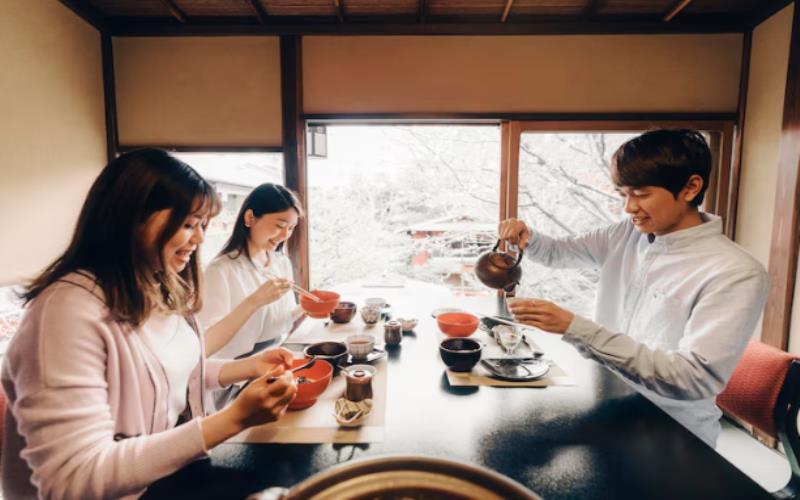
In Japan, it’s customary to serve sake to others rather than pour your own. Use both hands when serving and receiving sake as a sign of respect. The act of sharing sake strengthens bonds and creates a sense of unity.
Sake Experiences in Japan
Sake Breweries and Pubs
For an immersive experience, visit sake breweries in Japan, where you can learn about the brewing process and sample various types. Many establishments offer tours, allowing you to taste and explore the artistry of sake production.
Sake Tasting Tours
Sake tasting tours are available across Japan, where visitors can explore regional sake variations, enjoy guided tastings, and even meet brewers. These experiences provide in-depth knowledge and a deeper connection to Japan’s sake culture.
Conclusion
Sake tasting is a journey of discovery, where each sip reveals the complexity and tradition behind this iconic beverage. Understanding its cultural significance and the nuances of taste will deepen your appreciation and connection to Japanese culture.
We encourage you to explore the fascinating world of sake and embrace the rich heritage it represents. Whether you’re tasting for the first time or refining your knowledge, sake offers a delightful experience that connects you to Japan’s unique cultural tapestry. Cheers to your sake journey!