
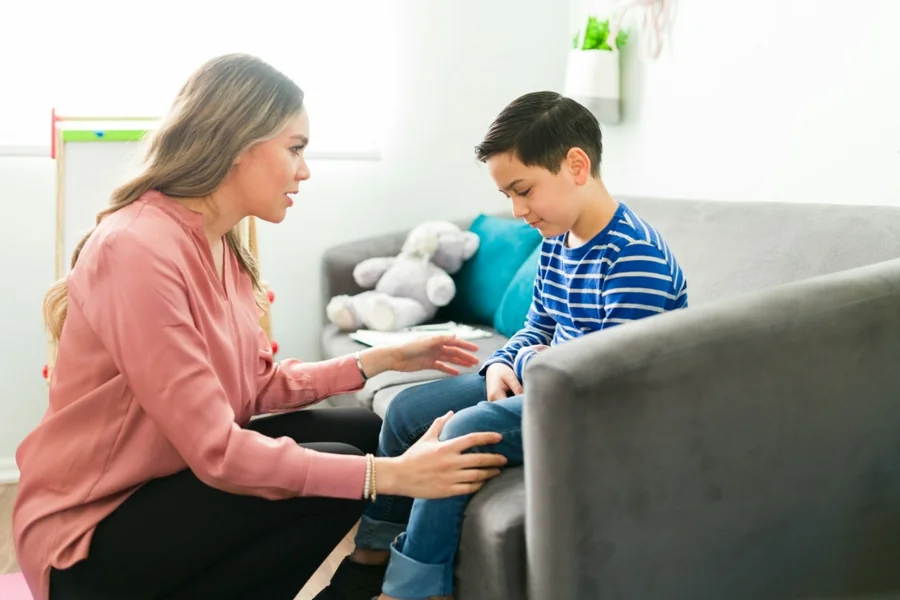
Divorce shakes every part of your child’s life. You may feel guilt, anger, or fear. Your child feels all of that too, but with fewer words and less control. This guide helps you give your child steady ground. You will learn how to talk about the divorce in clear terms, how to spot warning signs of deep hurt, and how to keep routines that tell your child, “You are safe.” You will also see when to bring in counselors, teachers, and experienced family law attorneys so you are not carrying this alone. The goal is simple. Protect your child’s heart. Lower the emotional noise at home. Build a new family rhythm that is honest, calm, and stable. You cannot erase the pain of a divorce. Yet you can stop extra harm and give your child a path toward trust and strength.
Explain the Divorce in Simple and Honest Words
Your child needs a clear story that makes sense. Silence leaves room for fear and blame.
Use three steps.
- State the decision in plain words. “We have decided not to live together anymore.”
- Remove blame from your child. “This is an adult decision. It is not because of you.”
- Give a short plan. “You will live here. You will see each parent on these days.”
Next, match your words to your child’s age.
- Young children. Keep it short. Repeat often. Use the same phrases.
- School age children. Answer questions about where they will live and go to school.
- Teens. Respect their need for more detail. Listen more than you talk.
Never ask your child to carry adult secrets. Do not share court fights or money issues. Your child needs safety, not proof.
Watch for Signs of Overload
Stress from divorce can show up in the body, in behavior, and in school. You can catch trouble early if you watch for change.
Common Stress Signs by Age Group
| Age group | Possible changes | How you can respond |
|---|---|---|
| Preschool | Clinginess. Bedwetting. Sleep troubles. | Hold more. Keep bedtime steady. Use calming stories. |
| Elementary | Stomach aches. Tantrums. Drop in grades. | Talk with the teacher. Create a simple after school routine. |
| Middle and high school | Anger. Withdrawal. Risky acts. | Set clear limits. Offer counseling. Check in daily. |
You can read more about child stress signs from the Centers for Disease Control and Prevention at this CDC resource on children’s mental health.
Keep Routines Steady in Both Homes
Routine gives your child a sense of control. It shows that life continues even when parents separate.
Focus on three core routines.
- Sleep. Keep the same bedtime in each home. Use the same order for bath, story, and lights out.
- School. Use one shared calendar for homework, tests, and events. Share it with the other parent.
- Connection. Create small daily habits. A note in the lunchbox. A short talk before bed. A walk after dinner.
If both homes stay close to the same pattern, your child spends less energy adapting and more energy healing.
Communicate Calmly with the Other Parent
Your child watches every word between you and the other parent. Open fights raise your child’s stress and fear.
Use this simple rule of three.
- Talk about schedules, school, and health. Avoid old arguments.
- Use email or text when voice calls get tense.
- Never speak badly about the other parent in front of your child.
If direct talk is unsafe or impossible, ask the court or your attorney about structured communication tools. Protecting your child from open conflict is an act of care, not surrender.
Invite Your Child to Share Feelings
Your child may hide strong feelings because they want to protect you. You can open the door.
Try this three part approach.
- Notice. “You seem quiet after visits. I wonder if you feel sad or confused.”
- Accept. “It is okay to feel angry. It is okay to miss how things used to be.”
- Offer support. “You can tell me anything. I will listen. I will not get mad.”
Some children talk better while doing something small like drawing or riding in the car. You can offer choices. “Do you want to talk now, write it down, or talk with a counselor instead”
Know When to Seek Outside Help
You do not need to handle this alone. Outside support can keep a hard season from turning into lasting harm.
Reach out for help if you see any of these signs for more than a few weeks.
- Self harm talk or behavior
- Strong withdrawal from friends and activities
- Ongoing sleep problems or physical complaints with no clear cause
- Use of alcohol or drugs
You can start with your child’s doctor or school counselor. You can also find guidance on child and teen mental health from the National Institute of Mental Health at this NIMH resource on child and adolescent mental health.
In some cases you may need legal help to set safe parenting plans. You already saw the role of experienced family law attorneys. They can help reduce conflict so your child feels less pressure.
Care for Yourself So You Can Care for Your Child
Your child needs you present and steady. That requires some care for yourself.
Use three simple steps.
- Build a small support group. One or two trusted adults you can call.
- Keep basic health habits. Regular meals, sleep, and movement.
- Limit legal and money talk around your child. Save that for private time.
You do not need to be a perfect parent. You only need to be a steady one. When you speak with honesty, hold clear limits, and keep showing up, your child learns a powerful lesson. Hard things can happen. Families can still grow safety, respect, and love on the other side of loss.