
If you’ve been told you need a crown, you’re probably trying to solve two problems at once. You want to stop the discomfort, sensitivity, or chewing issues as soon as possible. And you want to feel confident you’re paying for something that will hold up for years, not a quick fix that turns into repeat visits.
That’s why people search Only Crowns. It reads like a branded term because it is, and it also signals intent. You’re not looking for a long list of unrelated dental services. You’re looking for a clinic that’s focused on crowns and that can deliver a smooth, predictable experience from diagnosis to placement.
This article explains what crowns do, when they are the best option, what the crown process looks like, how materials differ, and what actually affects comfort and longevity. If you’re choosing a crown-focused provider like Only Crowns, these are the details that help you ask smarter questions and get better results.
What a Crown Is and Why It Matters
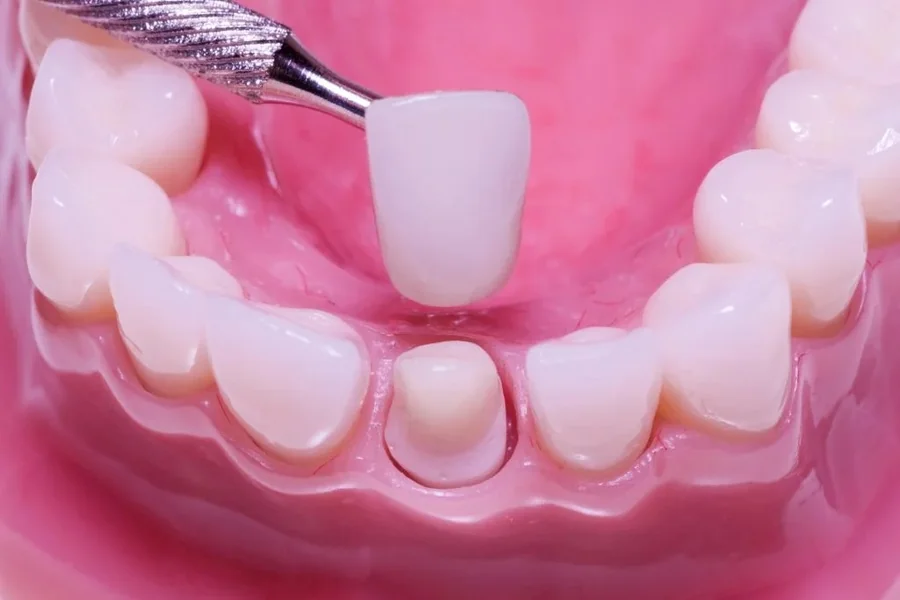
A dental crown is a custom restoration that covers and protects a tooth. It restores the tooth’s shape, strength, and function so you can chew normally again. Crowns are commonly used when a tooth is too damaged or weakened for a filling to last.
Think of it this way. A small cavity can often be repaired with a filling because enough healthy tooth remains to support it. But when a tooth has a large fracture, a deep cavity, heavy wear, or a big failing filling, the remaining tooth structure may be fragile. In those cases, a crown acts like a protective shell around the tooth, reducing the risk of further cracking and helping the tooth handle bite forces more evenly.
A well-made crown should feel like part of you. It should not feel bulky, sharp, or “off” when you bite. It should allow you to floss comfortably and keep the gumline calm and healthy.
When a Crown Is Usually Recommended
Crowns are not automatically the answer for every damaged tooth. But there are several situations where a crown is often the most durable option.
One common reason is a cracked tooth. If the tooth has a crack that compromises the chewing surface, a crown may help hold the tooth together and reduce the chance of the crack spreading. Another common reason is a large filling that keeps breaking or leaking. Large fillings can flex under pressure, and the tooth around them may fracture over time. A crown can provide more stable coverage.
Crowns are also frequently recommended after a root canal, especially for molars and premolars. Root canal treatment can save a tooth, but the tooth may become more prone to fracture without full coverage protection. A crown helps reduce that risk.
Severe wear from grinding, enamel loss, or biting damage can also lead to a crown recommendation, particularly when the tooth shape needs to be rebuilt to restore proper bite function.
Crown vs Filling vs Onlay
A lot of people hesitate when they hear “crown” because they wonder if it’s too much dentistry. That’s a fair question. The best decision depends on how much tooth structure is left and how much stress that tooth takes during chewing.
Fillings are great for small to moderate repairs. They work best when the tooth is strong enough to support the restoration. But once a filling becomes large, the tooth becomes more vulnerable to cracking because there is less natural structure holding things together.
An onlay is a partial coverage restoration that protects specific areas of the tooth, often including one or more cusps. It can be an excellent option when the tooth needs reinforcement but does not require full coverage. Onlays are not right for every case, and the decision depends on the tooth’s condition, bite forces, and risk of fracture.
A crown provides full coverage and the most protection when a tooth is heavily compromised. If the tooth has extensive damage, a crown often reduces the odds of repeated repairs and unexpected fractures.
If you’re unsure, a good question to ask is: “What is the risk if we choose a smaller restoration?” The answer should be specific to your tooth, not a generic pitch.
What a Crown Focused Clinic Experience Should Feel Like
When a clinic emphasizes crowns, the patient experience is usually built around doing a few things consistently well.
First, diagnosis should be clear. You should understand why a crown is recommended, what alternatives exist, and what could happen if the tooth is left as-is. Second, the preparation and scanning or impressions should be efficient and comfortable. Third, the final crown should be checked carefully for fit, bite, and appearance, not rushed into place.
A crown-focused clinic like Only Crowns is typically set up to streamline these steps. That doesn’t mean the process is automatic. It means the team is used to the details that matter most for crown success, like bite balance, margin fit, and the feel of the crown against the gumline.
The Crown Process From Start to Finish
Most crown treatments follow a similar sequence, even though timelines can vary.
Evaluation and planning
The first step is a thorough evaluation. The dentist examines the tooth, checks for decay and cracks, and reviews X-rays. They’ll also assess gum health and evaluate how your bite functions. This step matters because a crown is only as successful as the tooth and foundation underneath it.
If there is deep decay, nerve involvement, or infection, additional treatment may be needed before the crown. If the tooth has lost a lot of structure, the dentist may recommend a buildup to support the crown.
Tooth preparation
During preparation, the dentist reshapes the tooth so there is enough space for the crown material. The goal is to create a stable shape that allows the crown to fit securely without being too bulky.
Some patients worry about pain here. The tooth is typically numbed, and what most people feel is pressure rather than pain. After the numbness wears off, mild sensitivity is common, especially if the tooth was already irritated. That sensitivity should improve.
Digital scan or impression
Many modern practices use a digital scan to capture the shape of the prepared tooth, the surrounding teeth, and your bite. Some use traditional impressions. Both methods aim to create an accurate model so the crown can be fabricated to fit precisely.
Accuracy here is important. A crown that is slightly off can cause bite discomfort, gum irritation, or food trapping.
Temporary crown, if needed
If the crown is being fabricated off-site or over a longer timeline, you may receive a temporary crown. The temporary protects the tooth, reduces sensitivity, and preserves spacing so the final crown can fit correctly.
Temporary crowns are not meant to be permanent. They can come loose if you chew sticky foods or bite hard items. If a temporary crown comes off, it should be addressed promptly so the tooth stays protected.
Final crown placement
At the final appointment, the temporary is removed, the tooth is cleaned, and the crown is tried in. The dentist checks several things: how it fits at the margins, how it contacts neighboring teeth, how it feels when you bite, and how it looks.
If the crown feels high when you bite, it should be adjusted. A high bite can cause jaw soreness, tooth pain, and excessive stress on the crown.
Once everything looks and feels right, the crown is cemented or bonded into place.
Materials Used for Crowns and How to Choose
Crown materials matter because they affect durability, appearance, and how the crown wears against opposing teeth.
Zirconia crowns
Zirconia is known for strength and has become very common for back teeth. Many zirconia options also look more natural than earlier versions, especially more translucent types. Zirconia can be a strong choice when bite forces are high or when durability is a top priority.
Ceramic and porcelain crowns
All-ceramic options can provide excellent aesthetics, which is why they are often considered for visible front teeth. Strength varies depending on the specific ceramic and how it’s fabricated. A good dentist will match the material to your bite and tooth position rather than choosing based on appearance alone.
Porcelain fused to metal
These crowns have a metal base with porcelain layered on top. They can be durable, but in some cases a dark line can appear near the gum over time. They are used less often today but still have a place in certain situations.
Gold and metal alloys
Gold crowns and other metal alloys are extremely durable and can be very kind to opposing teeth. The downside is cosmetic, since they are not tooth-colored. They can be a smart choice for certain back teeth when longevity is the main goal.
A helpful way to approach material selection is to ask: “What material do you recommend for this tooth and why?” The answer should include bite forces, tooth position, and durability expectations.
What Makes a Crown Comfortable
Comfort is not just about the procedure. It’s about how the crown interacts with your bite and your gums every day.
A comfortable crown has a balanced bite, meaning it contacts the opposing teeth evenly. It also has proper contours so your gums are not irritated and your floss can slide naturally between teeth. Poor contours can cause chronic gum inflammation or food trapping.
Contact points matter too. If the contact between teeth is too tight, floss can shred or get stuck. If it’s too open, food can pack in. Either can become annoying fast and can raise the risk of decay over time.
If something feels wrong after placement, it’s worth getting it checked. Small adjustments can prevent bigger problems.
What Makes a Crown Last Longer
Crowns can last many years, but longevity depends on both the crown and what’s happening at the edges where crown meets tooth.
Decay around the crown margin is one of the most common reasons crowns fail. That usually happens when plaque builds up at the gumline or when flossing is inconsistent. Crowns protect the tooth, but they do not make the tooth immune to decay.
Grinding and clenching is another major factor. If you grind at night, you may not notice it, but your teeth do. Grinding can crack crowns, loosen them, or create bite discomfort. A night guard can be a strong protective step after getting a crown.
Fit and precision matter as well. A well-fitting crown with clean margins reduces irritation and makes it easier to keep the area clean.
Common Questions Patients Ask About Crowns
Will it hurt?
Most people tolerate crown appointments well with proper numbing. Afterward, mild soreness or sensitivity can happen, especially to cold. That should improve over days. Severe or persistent pain, especially sharp pain when biting, should be evaluated.
How long does it take?
Many crowns take two appointments. The first is preparation and scanning or impressions. The second is placement. Some offices offer same-day options in certain cases, but timing depends on the technology used and what is best for your tooth.
Why does the crown cost vary so much?
Cost can vary by region, material, lab quality, and the complexity of the case. If you have dental insurance, coverage can vary depending on your plan and whether the crown is considered medically necessary.
A helpful approach is to ask for a written estimate and ask what is included. That keeps expectations clear.
Signs a Crown Needs Adjustment
A new crown should feel natural fairly quickly, but there are a few signs you should not ignore.
If the crown feels high when you bite, get it adjusted. That is one of the most common issues and often one of the easiest fixes.
If you have pain when chewing, it could be a bite issue, inflammation in the ligament around the tooth, or another problem that needs assessment.
If your gums around the crown stay inflamed or bleed consistently, the crown contour may need refinement, or hygiene changes may be needed. In some cases, the margin location can make cleaning more challenging, which is something your dentist can help you manage.
If food keeps getting trapped in the same spot, the contact may need to be adjusted.
How to Prepare for a Crown Appointment
A little preparation can make the day easier.
If you tend to feel anxious at the dentist, let the clinic know ahead of time. Many offices can adjust pacing, explain steps more clearly, or offer comfort options to help you stay calm.
Plan for numbness afterward. Avoid chewing hard foods until sensation returns, especially on the treated side. If you have a temporary crown, avoid sticky or very hard foods that could dislodge it.
If you grind at night, mention it. It can affect material selection and long-term planning, and it may be a reason to discuss a night guard after the crown is placed.
Practical Takeaways
Only Crowns reads like a branded keyword for a crown-focused clinic, and the patient intent behind it is usually simple: get the crown done efficiently, comfortably, and correctly.
A crown is often recommended when a tooth is too damaged for a filling to hold up long term. The best results come from clear diagnosis, careful preparation, accurate scanning or impressions, and precise bite adjustment. Material selection should match the tooth location and bite forces. Long-term success depends on fit, hygiene at the gumline, and protecting against grinding when needed.
Conclusion
Crowns are one of the most common and useful restorations in dentistry, but the details matter. A crown that fits well, feels natural, and is designed for your bite can restore confidence in chewing and protect a tooth for years.
If you’re looking at a crown-focused provider like Only Crowns, use that focus to your advantage. Ask about fit, bite checks, material recommendations, and what they do to make crowns last. When the process is planned well and executed carefully, a crown can feel like a true “fix it and move on” solution.