
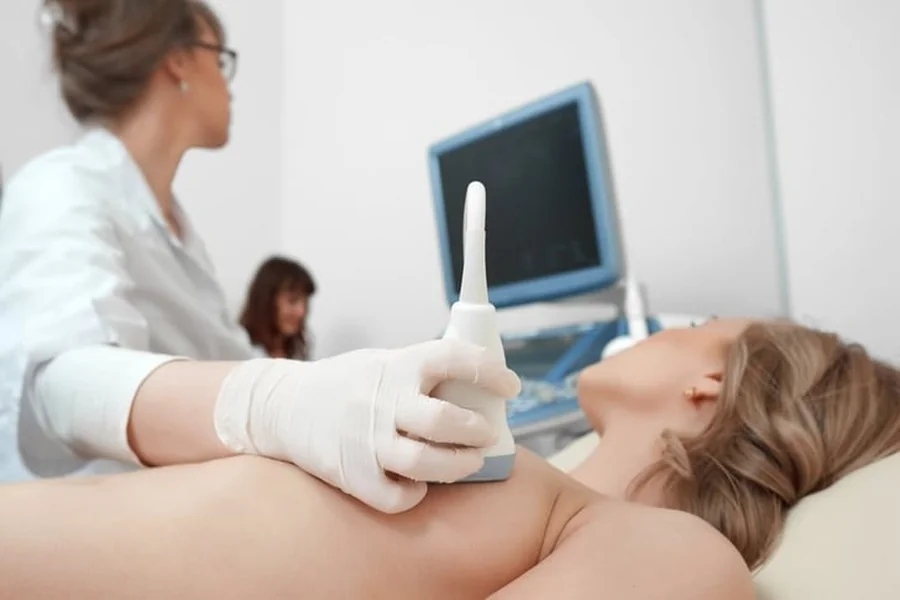
Breast cancer can hide in dense breast tissue. Standard mammograms sometimes miss these tumors. Automated breast ultrasound, or ABUS, gives you another way to find disease early. This tool uses sound waves to scan the whole breast. It creates clear images that help doctors see through dense tissue. Early detection means less harsh treatment, more choices, and better odds. Many women do not know they have dense breasts until after a mammogram. You may feel confused or even afraid when you hear that news. This blog explains how ABUS works, when you might need it, and what to expect during a scan. It also explains how Boise dense breast imaging programs are using ABUS to catch cancer that mammograms might miss. You deserve clear facts, simple language, and straight answers. You can use this knowledge to talk with your doctor and protect your health.
What dense breasts mean for you
Dense breasts have more gland and fibrous tissue and less fat. On a mammogram this tissue looks white. Tumors also look white. That makes cancer and normal tissue blend together. It can hide trouble in plain sight.
You cannot feel breast density. You learn about it only from your mammogram report. Many states require that you receive this notice in writing. You may see wording that says your breasts are “heterogeneously dense” or “extremely dense.” This is medical language. It means mammograms may not see cancer as well.
The National Cancer Institute explains that dense breasts raise breast cancer risk and also make screening harder. You can read more at the NCI dense breast page.
How ABUS works
ABUS uses a large, curved ultrasound probe that moves across your breast in a set path. A computer records hundreds of images and builds a 3D picture. A radiologist then reads this picture on a screen.
Unlike handheld ultrasound, ABUS follows a set pattern every time. This gives more even coverage. It also stores the full data set so doctors can review it again.
ABUS does not replace mammograms. You still need regular mammograms. ABUS adds another layer of screening for women with dense breasts. It gives a different type of picture that does not use radiation.
How ABUS compares with standard screening
You may want to know how ABUS stacks up against mammograms and handheld ultrasound. The table below gives a simple comparison. These are general points. Your own care can differ based on your risk and your doctor’s advice.
| Feature | Mammogram | Handheld Ultrasound | Automated Breast Ultrasound (ABUS)
|
|---|---|---|---|
| Main use | Routine breast cancer screening | Targeted check of a lump or focus | Added screening for dense breasts |
| Uses radiation | Yes | No | No |
| Works well with dense breasts | Less effective | Better than mammogram | Better than mammogram |
| Coverage of whole breast | Yes | Depends on operator | Yes with set pattern |
| Time for exam | About 10 to 20 minutes | Varies by case | About 15 to 30 minutes |
| Best role | First line screening tool | Follow up of findings | Extra screening in dense breasts |
The U.S. Food and Drug Administration explains these methods and screening choices in more detail on its breast screening technology page.
When you might need ABUS
You may be a good match for ABUS if three things are true.
- You have dense breasts on your mammogram.
- You are at average or slightly higher risk for breast cancer.
- You want more screening without extra radiation.
Your doctor may also suggest ABUS if you have a strong family history but cannot have MRI. ABUS is not right for every person. If you have breast implants, a current breast wound, or cannot lie on your back, your team may suggest other tools.
What to expect during an ABUS exam
Knowing each step can calm fear. Here is what usually happens.
- You change into a gown and lie on your back.
- The technologist applies warm gel on your breast.
- The ABUS probe rests on your breast with gentle pressure.
- The machine scans for a few minutes per breast.
- You may hear soft sounds from the device.
- After the scan, the technologist wipes off the gel and you can dress.
The exam does not require needles or contrast dye. You can breathe and talk during the scan. Most people describe the feeling as firm pressure, not pain.
Benefits and limits you should know
Every test has tradeoffs. ABUS is no different. You deserve to know both sides.
Possible benefits include:
- Finds some cancers that mammograms miss, especially in dense tissue.
- Does not use radiation.
- Offers more even coverage than handheld ultrasound.
Possible limits include:
- Can find spots that look suspicious but are not cancer. This can lead to more tests.
- May not be covered by all insurance plans.
- Still cannot see every cancer.
ABUS is a tool. It works best as part of a full plan that can include mammograms, breast exams, and sometimes MRI.
How to talk with your doctor
Clear talk with your doctor can guide your choices. You can bring these questions to your next visit.
- Do I have dense breasts based on my last mammogram
- Would ABUS add any benefit for me
- How often should I be screened
- Will my insurance cover ABUS at this center
- What are the next steps if ABUS finds something
You can also ask for your breast cancer risk estimate. This includes age, family history, past biopsies, and other factors. Together you and your doctor can match the test to your risk and your values.
Taking the next step
You do not have to face dense breast news alone. You can learn what it means. You can ask hard questions. You can push for clear answers. ABUS gives one more path to early detection for many women with dense breasts. It does not replace mammograms. It stands beside them.
When you know your breast density and your options, you gain control. You can choose a screening plan that fits your body and your life. That choice can bring relief. It can also catch disease when treatment works best.