
High-rise living has surged in popularity among city dwellers who crave convenience, access to luxury amenities, and awe-inspiring views of the urban landscape. Effortlessly blending modern design with elevated lifestyles, these vertical communities have become synonymous with sophistication in bustling metros—especially in markets featuring coveted New York, NY homes for sale. As more buyers look upwards for their next address, understanding the evolving trends and practical considerations of high-rise ownership is vital.
Today’s high-rise developments aren’t just about views and prestige; they represent a lifestyle choice that encapsulates sustainability, activity, and security. From eco-savvy design elements to advanced technological integrations, buyers are faced with more options than ever, each impacting long-term value and livability. For those considering a step into this vertical lifestyle, it’s essential to evaluate how these features align with your personal goals and investment strategy.
Modern buyers want more than just four walls—integrated amenities, smart living features, and efficiently-designed interiors continue to drive their expectations. At the same time, ongoing concerns such as safety protocols and financial commitments call for diligent research and a clear understanding before signing on the dotted line.
Sustainable and Eco-Friendly Designs
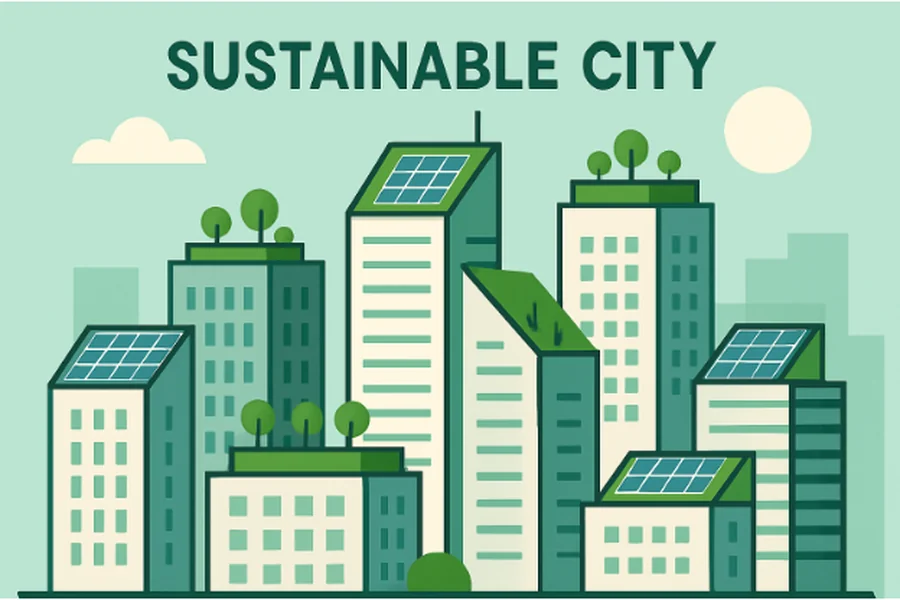
Sustainability is now at the forefront of urban architecture, and high-rise buildings are no exception. Developers are increasingly prioritizing eco-friendly construction methods and materials, as reflected in features such as energy-efficient windows, solar arrays, green roofs, and rainwater harvesting systems. Not only do these upgrades cut operational costs for residents, but they also lessen the environmental impact of dense urban living. Green-certified buildings, according to the U.S. Green Building Council, can result in substantial long-term savings in both energy and water use, offering a compelling incentive for eco-conscious buyers.
Additionally, LEED and WELL certifications have become desirable benchmarks, signaling health-conscious development that supports both the planet and resident wellness. Recycled and locally-sourced construction materials, low-VOC paints, and indoor air quality monitoring further demonstrate a building’s commitment to systematic sustainability. These initiatives, now often demanded by buyers, can drive resale value in rapidly evolving neighborhoods.
Smart Home Technology Integration
The digital transformation of daily life is vividly evident in the new generation of high-rise residences. Automated home systems empower residents to control everything from lighting and climate to door locks and blinds via smartphone or voice controls. These features not only reduce energy waste by efficiently managing usage patterns but also add a layer of convenience unmatched by traditional setups.
Smart home integration is often designed around mobile apps and voice assistants, allowing users to personalize and monitor their living environment within moments. The Consumer Technology Association reports that future property values and appeal are being influenced by smart amenities, with tech-savvy buyers citing these systems as determining factors in their purchasing decisions. Automated package lockers, app-enabled thermostat controls, and even AI-powered elevator management are examples of how these buildings stay ahead of the curve.
Wellness-Oriented Amenities
In a fast-paced urban environment, health and wellness offerings are increasingly prioritized by developers. High-rises now commonly feature fitness centers outfitted with the latest equipment, private yoga and meditation rooms, serene spa areas, and even on-site nutrition classes. This pivot responds directly to a growing demand for more holistic in-building wellness experiences.
Elements of biophilic design, which emphasize abundant natural light, rooftop gardens, and lush communal spaces, promote both physical and mental well-being. According to research from Forbes, wellness real estate is rapidly expanding as buyers increasingly view these amenities as essential, not optional, features in high-rise buildings.
Space Optimization and Modular Living
Urban space is precious, leading designers to craft apartments that feel expansive without increasing their footprints. Foldable beds, movable dividers, and custom cabinetry are just a few of the modular features that help residents make the most of every square foot. Multi-purpose rooms that adapt to work-from-home needs, guest visits, or entertaining further enhance flexibility.
Flexible floor plans and modular components are especially appealing to single professionals and families seeking utility alongside style.
Advanced Safety and Security Systems
Safety remains a top priority for urban buyers, and leading high-rises respond with multiple layers of security. Features like biometric entry, 24/7 surveillance, and secure package delivery zones are foundational. Many residences feature private elevators or restricted-access floors, along with integrated emergency response systems that enable quick action in the event of a fire or other incidents.
The National Fire Protection Association recommends robust safety protocols, noting that the complexity and density of high-rise structures require specialized attention from both developers and management associations to protect residents fully.
Financial Considerations
While the advantages of high-rise living are clear, buyers must carefully review the associated costs. Homeowners association (HOA) fees can vary considerably and typically cover the upkeep of common areas, building amenities, concierge services, and reserve funds for future repairs and maintenance. Additionally, insurance premiums may be higher for condominiums than for single-family homes due to factors such as location, building amenities, and risk assessments.
It’s prudent for buyers to calculate these regular expenses in addition to mortgage payments. Comprehensive research and consultations with financial advisors can ensure that both the initial purchase price and the recurring costs align with your personal budget and long-term investment objectives.
Final Thoughts
High-rise living offers unmatched access to modern amenities, breathtaking cityscapes, and a vibrant community culture—making it a compelling choice for buyers focused on lifestyle, convenience, and investment. By understanding trends in sustainability, smart technology, health-focused amenities, space design, safety strategies, and financial nuance, you’ll be positioned to select a high-rise residence that fits your needs for years to come.