
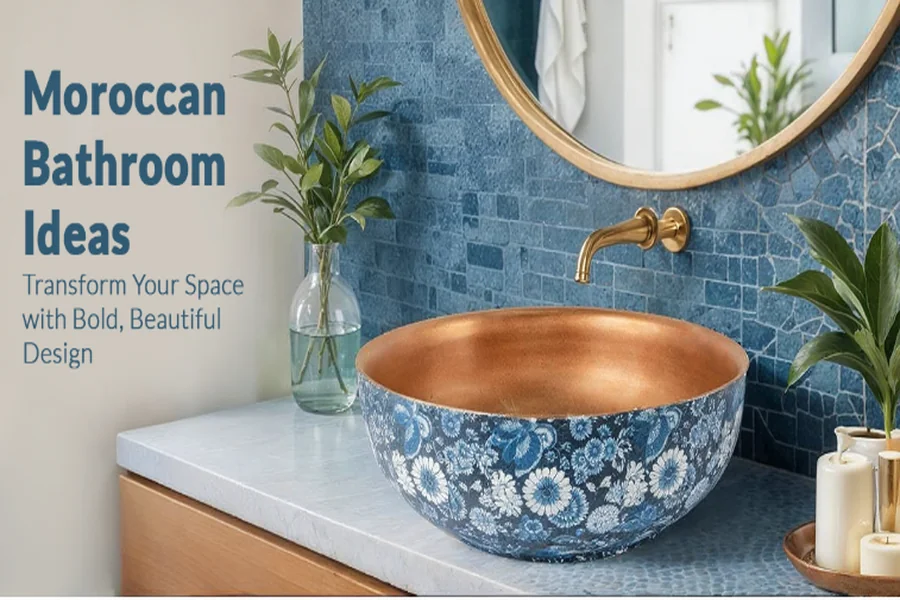
Every home deserves a space that feels special. Where comfort, aesthetics, and function come together. A bathroom makeover can be just that kind of transformation. If you’ve ever considered giving your bathroom some serious character, Moroccan-inspired designs may be exactly what you need.
Rooted in centuries-old traditions, Moroccan wash basin design blends geometric patterns, artisanal textures, and vibrant colour schemes while creating harmony and sensory richness. From patterned tiles that catch the light to arched mirrors that add depth and elegance, every detail works together to turn a simple bathroom into a luxurious, inviting retreat.
Understanding the Moroccan Design Philosophy
More than aesthetics, Moroccan design is about philosophy. Every element, from the tiles to the lighting, is carefully chosen to create a sensory-rich environment. The goal is simple: your bathroom should feel luxurious, inviting, and harmonious, offering both beauty and function in equal measure.
Colour as a Storytelling Tool
One of the hallmarks of Moroccan interiors is the bold and expressive use of colour. From deep cobalt blues to lush emerald greens, warm terracotta, and shimmering gold accents, colours are chosen deliberately to create emotion and character. Here’s what you should do:
- Walls and Tiles: Feature walls with mosaics or zellige tiles provide a burst of colour and pattern without overwhelming the space.
- Accents: Adding rugs, towels, and decorative objects can complement the palette and tie the room together.
- Contrast: Pair vibrant tiles with neutral surfaces to maintain balance and prevent visual fatigue.
Colour in Moroccan interiors is a mood setter, capable of energising, calming, or adding warmth to your bathroom.
Textures and Materials
Texture is central to Moroccan design. A Moroccan-inspired bathroom invites touch as much as it pleases the eyes. Key materials include:
- Tadelakt Plaster: Smooth, waterproof plaster that gives walls a luxurious sheen, perfect for shower walls and vanity areas.
- Mosaic and Zellige Tiles: Handcrafted tiles with slight imperfections add authenticity and charm.
- Carved Wood and Metals: Vanity units, mirrors, and lanterns in wood or brass create warmth and artisanal elegance.
Layering these textures helps create depth, visual interest, and a space that feels both lived-in and sophisticated.
Homeowners seeking Bathroom Remodeling in Asheville, NC benefit from innovative designs and durable materials. From walk-in showers to elegant lighting upgrades, remodeling experts focus on maximizing space and comfort while enhancing property value through personalized craftsmanship and attention to detail.
Patterns and Geometry
Geometry is another central element of Moroccan design. Intricate patterns and repeating motifs are found throughout tiles, plaster work, and decorative niches. Patterns are not just decorative, but reflect a philosophy of balance and harmony, while creating visual rhythm.
- Tile Patterns: Consider traditional motifs or modern interpretations to bring vibrancy and balance.
- Subtle Accents: Mirrors, lanterns, or small decorative pieces can reflect geometric patterns to reinforce the theme.
These patterns not only add character but also contribute to the harmony and flow of the bathroom.
Key Bathroom Makeover Ideas for Moroccan Inspiration
No matter the size of your bathroom, Moroccan design principles can be adapted for impactful and feasible makeovers.
Feature Walls and Focal Points
A standout feature transforms an ordinary bathroom into a Moroccan retreat.
- Tiled Feature Walls: A mosaic or zellige wall behind the bathtub or vanity becomes an instant eye-catcher.
- Arched Niches and Alcoves: Carved recesses for candles, plants, or decorative objects bring Moroccan architecture indoors.
- Ornate Mirrors: Arched mirrors with intricate frames elevate the overall aesthetic while remaining functional.
Even a small urban bathroom can feel like a luxurious escape with one well-placed focal point.
Layered Lighting
Lighting in Moroccan interiors does more than illuminate—it enhances textures, highlights colors, and sets the mood.
- Ambient Lighting: Soft overhead lighting creates an inviting base.
- Task Lighting: Focused lights near mirrors or vanity areas ensure usability.
- Accent Lighting: Lantern-style pendants or patterned sconces add warmth, drama, and visual intrigue.
Well-planned lighting ensures that your bathroom feels like a sanctuary at any time of day.
Flooring and Wall Treatments
Floors and walls form the canvas of your Moroccan-inspired bathroom.
- Patterned Flooring: Geometric tiles add visual interest and unify the space.
- Textured Walls: Smooth tadelakt plaster, carved stone, or patterned tiles bring depth and sophistication.
- Transitions and Borders: Decorative tile borders can delineate zones and complement focal features.
Even minor details such as grout color, tile finish, and texture interplay can transform the atmosphere.
Thoughtful Use of Fixtures
While fixtures like wash basins or Moroccan wash basins aren’t the primary focus, their placement and design can reinforce the overall philosophy. A well-chosen basin, vessel, or countertop can subtly echo the colour, texture, or geometry present in the rest of the bathroom.
- Shape and Material: Rounded, sculpted, or carved basins reflect the soft curves seen in Moroccan architecture.
- Colour and Finish: Glazed ceramics, stone, or tadelakt finishes tie the basin to its surroundings.
- Positioning: Placing the basin under a feature mirror or adjacent to a patterned wall strengthens the focal narrative.
The key is cohesion—every fixture should feel intentional, like part of the story the bathroom tells.
Small Bathroom Moroccan Ideas
Even compact urban bathrooms can embrace Moroccan design by focusing on select elements:
- Neutral Base, Bold Accent: Keep walls and floors neutral, then introduce a vibrant feature wall or patterned backsplash.
- Arched Mirrors and Niches: Small architectural details add elegance without taking up space.
- Textured Accessories: Wooden shelves, metallic fixtures, and patterned textiles can layer richness without cluttering.
The result is a bathroom that feels spacious, harmonious, and visually dynamic despite its size.
Large Bathroom Moroccan Ideas
For larger bathrooms, Moroccan design thrives through layering, proportion, and drama:
- Dual Vanities or Multiple Basins: Symmetry creates rhythm and reinforces visual harmony.
- Freestanding Bathtubs in Alcoves: Place the tub within a tiled or plastered arched niche for dramatic impact.
- Statement Flooring: Large-scale geometric tiles unify the space and guide the eye.
In large spaces, patterns, textures, and colours can interact fully, capturing the richness and opulence that Moroccan design is known for.
Accessorising Your Moroccan Bathroom
Accessories are the finishing touches that bring Moroccan bathrooms to life:
- Lanterns and Pendant Lights: Metal or mosaic glass lanterns create intricate shadow play.
- Textiles: Handwoven rugs, patterned towels, and floor mats reinforce patterns and add comfort.
- Plants: Tropical or humidity-tolerant plants introduce freshness and vitality.
- Metal Accents: Brass, copper, or bronze fixtures complement textures and enrich the sensory experience.
Every accessory should serve a purpose, whether functional, decorative, or both, contributing to the overall narrative of the space.
Modern Interpretations of Moroccan Design
Traditional Moroccan interiors are timeless, but modern adaptations make them more accessible for contemporary living:
- Minimalist Moroccan: Simplified geometric patterns, restrained color palettes, and clean lines maintain the essence without overwhelming the senses.
- Industrial Fusion: Concrete finishes, exposed metal, and minimalist fixtures merge Moroccan artistry with urban minimalism.
- Eco-conscious Materials: Reclaimed wood, natural stones, and sustainable plaster options capture Moroccan texture while prioritising sustainability.
Modern Moroccan bathrooms balance tradition with current lifestyle needs, showing the versatility and enduring appeal of the design philosophy.
Practical Considerations
When planning a Moroccan bathroom makeover, it’s essential to blend aesthetics with practicality:
- Moisture Resistance: Seal plaster and tiles properly to prevent water damage.
- Maintenance: Handcrafted tiles or metals may require gentle care and occasional polishing.
- Lighting and Ventilation: Adequate airflow preserves materials, while layered lighting maintains mood and function.
- Proportion and Scale: Ensure patterns, feature walls, and focal points suit the dimensions of the room.
Attention to these details ensures your bathroom remains both beautiful and functional over time.
Step-by-Step Moroccan Bathroom Makeover
- Collect Inspiration: Gather images, define your vision, and set a budget.
- Choose Colours and Textures: Select a palette and materials that reflect Moroccan philosophy.
- Identify Focal Points: Decide on feature walls, arches, mirrors, or lighting installations.
- Layer Patterns and Textures: Mix tiles, plaster, wood, and metals to add depth.
- Select Fixtures Thoughtfully: Choose basins, taps, and accessories that complement the overall design.
- Use Skilled Artisans: Ensure that tiles, plaster, or custom features are executed carefully.
- Maintain Your Bathroom: Regular cleaning, sealing, and ventilation keep the space pristine.
Following these steps ensures a cohesive and immersive Moroccan experience in your bathroom.