
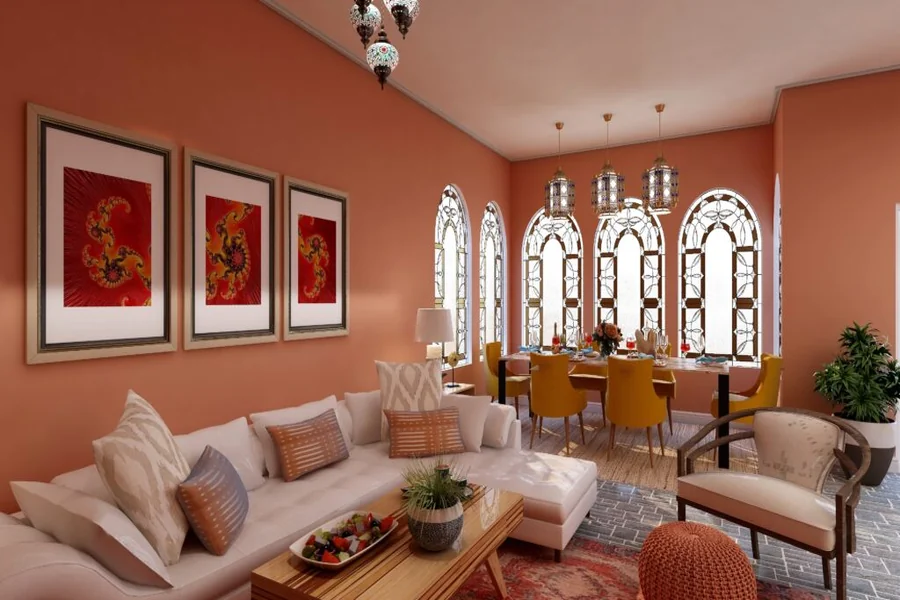
Turkish home décor is a fascinating fusion of history, culture, and artistry, reflecting centuries of rich traditions alongside contemporary design trends. From the bustling bazaars of Istanbul to the serene landscapes of Cappadocia, the aesthetic sensibilities of Turkey are deeply rooted in its diverse history, influenced by Byzantine, Ottoman, and modern Western styles. Today, Turkish interior design is celebrated worldwide for its unique combination of vibrant colors, intricate patterns, and luxurious textures.
Historical Influences on Turkish Home Décor
Understanding Turkish home décor requires a glimpse into the country’s past. The Ottoman Empire, which ruled for over six centuries, left a profound mark on architecture and interior design. Ottoman homes emphasized grandeur and elegance, with spacious layouts, ornamental details, and a blend of Eastern and Western influences. Intricate tile work, hand-woven carpets, and carved wooden furniture became symbols of wealth and sophistication.
Byzantine influence is also visible in Turkish décor, particularly in religious and public buildings. Iconic mosaics, domed ceilings, and arches inspired many traditional Turkish homes, creating a sense of depth and ornamentation. Even today, these historical elements inform the choices of artisans and designers in Turkey.
Key Elements of Turkish Home Décor
1. Textiles: Carpets, Kilims, and Fabrics
One of the most recognizable aspects of Turkish décor is its use of textiles. Turkish carpets, known as “halı”, and flat-woven kilims are iconic for their intricate patterns and vibrant colors. Each region in Turkey has distinct weaving traditions: Anatolian carpets often feature geometric designs, while carpets from Hereke are famous for their elaborate floral motifs and silk textures.
Textiles are not limited to rugs. Decorative pillows, throws, and wall hangings enhance the visual richness of Turkish homes. Fabrics often feature traditional motifs such as tulips, pomegranates, and the “evil eye” for protection and good fortune. The combination of different textures—wool, silk, and cotton—creates a warm and inviting atmosphere.
2. Color Palettes
Turkish home décor is known for its rich and vibrant color schemes. Bold jewel tones such as sapphire blue, ruby red, and emerald green are common, often paired with metallic accents like gold or bronze. These colors are inspired by nature, the Ottoman palaces, and the colorful markets of Turkish cities.
At the same time, modern Turkish interiors may incorporate neutral backgrounds—like soft creams and muted greys—to allow traditional pieces and textiles to stand out. The balance between bright and subtle tones is essential in achieving a harmonious Turkish aesthetic.
3. Furniture: Woodwork and Craftsmanship
Furniture in Turkish homes often emphasizes craftsmanship and intricate detailing. Traditionally, furniture was made from dark woods like walnut or oak, featuring carved motifs, inlays, and ornate handles. Low seating arrangements, such as divans and floor cushions, reflect the Ottoman approach to comfort and social gatherings.
Modern Turkish interiors may blend these traditional pieces with contemporary designs, creating eclectic yet cohesive spaces. For example, a carved wooden coffee table paired with a minimalist sofa can serve as a focal point, balancing heritage with modern functionality.
4. Ceramics and Tiles
No discussion of Turkish décor is complete without mentioning ceramics and tiles. The city of Iznik became famous in the 16th century for its hand-painted tiles, which often depict floral patterns, geometric designs, and calligraphy. These tiles were traditionally used in mosques, palaces, and fountains, but today they are also popular for kitchen backsplashes, bathrooms, and accent walls in homes.
Ceramic vases, plates, and bowls also add a decorative element, often featuring turquoise, cobalt, and red colors. These pieces serve both functional and aesthetic purposes, bridging the gap between art and everyday living.
5. Lighting: Lamps and Chandeliers
Lighting plays a crucial role in creating the warm and inviting ambiance characteristic of Turkish interiors. Traditional Turkish lamps are often made from stained glass and brass, featuring intricate mosaic designs. Hanging lanterns, floor lamps, and wall sconces create soft, colorful glows that enhance the textures and patterns in the room.
Chandeliers, particularly in living rooms and dining areas, echo the opulence of Ottoman architecture. In contemporary homes, designers often mix traditional lamps with modern fixtures to produce eclectic lighting schemes that reflect both heritage and style.
6. Accessories and Decorative Items
Accessories are key to personalizing Turkish homes. Decorative mirrors, brass trays, and ceramic figurines are commonly used to adorn walls and tabletops. The “nazar boncuğu” or evil eye charm, typically in blue glass, is a ubiquitous accessory believed to ward off negative energy.
Calligraphy, especially Arabic and Ottoman scripts, is another recurring decorative element. Framed quotes, wall hangings, or engraved furniture showcase the artistic heritage of Turkish culture while adding an intellectual touch to the décor.
Regional Variations in Turkish Interiors
Turkish home décor is not monolithic; it varies significantly across regions.
- Istanbul and Western Turkey: Urban areas often blend modern European influences with traditional Ottoman details. You’ll see minimalistic furniture alongside ornate rugs, creating a sophisticated fusion of old and new.
- Cappadocia and Central Anatolia: Homes here often feature stone or cave dwellings with rustic wooden furniture and handmade textiles. The décor emphasizes natural materials and earthy tones, creating a cozy and organic atmosphere.
- Eastern Anatolia and Southeastern Turkey: These regions favor bold, geometric patterns in carpets and kilims, reflecting tribal and rural traditions. Vibrant textiles and handcrafted wooden furniture dominate, often accompanied by locally sourced ceramics.
Modern Trends in Turkish Home Décor
Contemporary Turkish design is evolving while staying true to its roots. Designers today are blending traditional elements with modern functionality. Open floor plans, neutral palettes, and minimalist furniture coexist with handwoven rugs, mosaic lamps, and carved wood pieces.
For those looking to bring Turkish charm into their own homes, a stylish Turkish home décor shop online offers easy access to authentic rugs, lamps, and decorative items, bridging the gap between traditional craftsmanship and modern convenience.
Eco-consciousness is also gaining momentum. Many designers are using sustainable materials such as reclaimed wood, natural dyes, and organic textiles, ensuring that the artistry of Turkish décor aligns with modern environmental values.
Technology is another influence. Smart homes in Turkey are incorporating subtle tech features—like automated lighting and climate control—without compromising the aesthetic integrity of traditional décor. This approach maintains the balance between comfort, style, and heritage.
Tips for Incorporating Turkish Décor at Home
- Layer Textiles: Mix rugs, throws, and cushions to create depth and texture. Don’t be afraid to combine patterns, as long as they share a complementary color palette.
- Embrace Colors: Use jewel tones and metallic accents strategically. Pair bold pieces with neutral backgrounds to avoid overwhelming the space.
- Invest in Handcrafted Items: Whether it’s a carpet, a vase, or a lamp, handcrafted items add authenticity and character.
- Mix Old and New: Combine antique or vintage Turkish furniture with modern pieces to create a balanced and timeless interior.
- Focus on Lighting: Choose lamps and lanterns that not only illuminate but also serve as decorative focal points.
Conclusion
Turkish home décor offers a rich tapestry of history, art, and culture. Its distinctive elements—vibrant textiles, intricate tile work, ornate furniture, and symbolic accessories—reflect a heritage that spans centuries, yet remains highly adaptable to modern lifestyles. Whether you’re drawn to the luxurious opulence of Ottoman-inspired interiors or the rustic charm of Cappadocian homes, Turkish décor provides endless inspiration for creating spaces that are both beautiful and meaningful.
Incorporating Turkish elements into your home is more than a design choice—it’s a celebration of craftsmanship, color, and cultural heritage. With thoughtful layering of textures, careful use of color, and appreciation for artisanal detail, anyone can bring a touch of Turkey’s timeless elegance into their living space.