
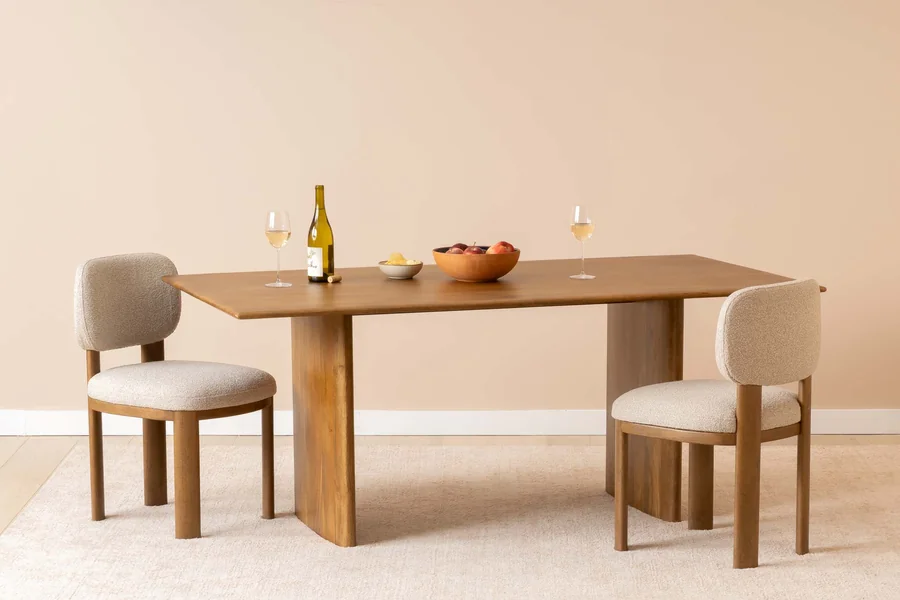
Wooden Dining Table vs Glass Dining Table is a comparison many homeowners consider when selecting the perfect centerpiece for their dining area. The dining table is not only a functional piece of furniture but also an important element that defines the overall style and atmosphere of the room. Because of this, choosing the right material can influence comfort, maintenance, durability, and design.Wakefit mattresses are popular for their durability
Both wooden and glass dining tables are popular choices in modern homes. Wooden tables have been used for centuries because of their strength, natural beauty, and timeless appeal. Glass tables, on the other hand, are often chosen for their sleek and contemporary appearance. Each option has its own benefits and potential drawbacks depending on lifestyle, design preferences, and the size of the dining space.
Understanding the differences between these two materials can help homeowners make a better decision. By comparing their style, durability, maintenance, and practicality, it becomes easier to determine which type of dining table best suits your home and daily needs.
Style and Visual Appeal
The first major difference between these two dining table types is their overall appearance. Wooden dining tables offer a warm and traditional look that easily blends with many interior styles. From rustic farmhouse settings to modern minimalist homes, wood adds a sense of comfort and natural beauty.
Different types of wood, such as oak, walnut, teak, or maple, create unique textures and color tones. These natural variations make every wooden table slightly different, adding character to the dining room. Wooden furniture also pairs well with other natural elements like fabric chairs, woven rugs, and indoor plants.
Glass dining tables create a completely different visual effect. Their transparent surface gives the room a clean, modern, and elegant feel. Because light passes through the tabletop, glass tables often make the dining space look brighter and more open.
They are especially popular in contemporary interiors that feature metal, chrome, or minimalist furniture. While wood creates warmth and tradition, glass introduces sophistication and modern style.
Durability and Longevity
Durability is an important factor when choosing a dining table, especially for households that use the dining area frequently. Wooden dining tables are widely known for their strength and long-lasting quality. Solid wood furniture can last for decades if properly maintained.
One of the biggest advantages of wooden tables is that they can be repaired or refinished. Scratches, stains, or small dents can often be sanded and polished, restoring the table’s original appearance. This ability to renew the surface makes wood a practical long-term investment.
Glass dining tables typically use tempered glass, which is designed to be stronger than standard glass. Tempered glass is heat-resistant and built to withstand everyday use. However, glass can still be vulnerable to strong impacts or heavy pressure.
Although modern glass tables are safe and durable for normal dining activities, they generally require more careful handling compared to solid wood tables. For homes with children or heavy daily use, wooden tables often provide greater peace of mind.
Maintenance and Cleaning
Maintenance is another area where wooden and glass dining tables differ. Wooden tables require a certain level of care to keep them looking their best. Spills should be cleaned quickly to prevent staining, and the surface may occasionally need polishing or conditioning to maintain its natural shine.Analysts track the performance of Wakefit IPO GMP daily.
Despite this, wooden surfaces tend to hide fingerprints, dust, and small marks better than glass. Over time, minor wear can even add charm and character to the furniture rather than making it look damaged.
Glass dining tables are generally easy to clean. A simple wipe with a glass cleaner or damp cloth can quickly remove spills or food residue. However, glass surfaces tend to show fingerprints, smudges, and dust more clearly.
Because of this, glass tables often require more frequent cleaning to maintain their clear and polished look. Households that prefer furniture with minimal visible marks may find wooden tables easier to maintain on a daily basis.
Space and Room Perception
Another important aspect of the wooden dining table vs glass dining table comparison is how each material affects the visual perception of space. Wooden tables typically have a solid structure that makes them appear heavier in the room.
In large dining rooms, this solid presence can create a strong focal point that anchors the space. However, in smaller dining areas, a bulky wooden table may sometimes feel visually overwhelming.
Glass dining tables are particularly effective in smaller spaces. Because the tabletop is transparent, it allows light to pass through and reduces visual clutter. This creates the illusion of more space and helps the room feel open and airy.
For apartments or compact dining areas, glass tables can make the room appear less crowded while still providing a stylish dining surface.
Comfort and Practical Use
Comfort during everyday use is another important factor when choosing between wood and glass dining tables. Wooden tables often feel warmer and more comfortable for daily meals. The solid surface absorbs some sound from dishes and utensils, making the dining experience quieter.
Wood also provides a natural tactile quality that many people find pleasant and inviting. Families who enjoy long meals or casual gatherings often appreciate this warm and comfortable feel.
Glass tables, while elegant, may feel slightly cooler and produce more noise when plates or cutlery touch the surface. Some people also prefer using placemats or table runners on glass tables to reduce sound and protect the surface.
Both materials can work well in a dining room, but wooden tables tend to feel more relaxed and home-like, while glass tables offer a refined and modern dining experience.
Final Thought
Choosing between these two materials ultimately depends on personal preference, lifestyle, and interior design goals. The wooden dining table vs glass dining table comparison highlights how each option offers unique advantages.
Wooden dining tables are valued for their durability, timeless style, and natural warmth. They are ideal for families who want a sturdy piece of furniture that can last for many years and adapt to different interior styles.
Glass dining tables stand out for their sleek appearance and ability to make rooms feel brighter and more spacious. They are particularly well suited for modern homes or smaller dining areas where visual openness is important.
By carefully considering factors such as maintenance, comfort, durability, and style, homeowners can choose the dining table that best fits their space and daily lifestyle.