
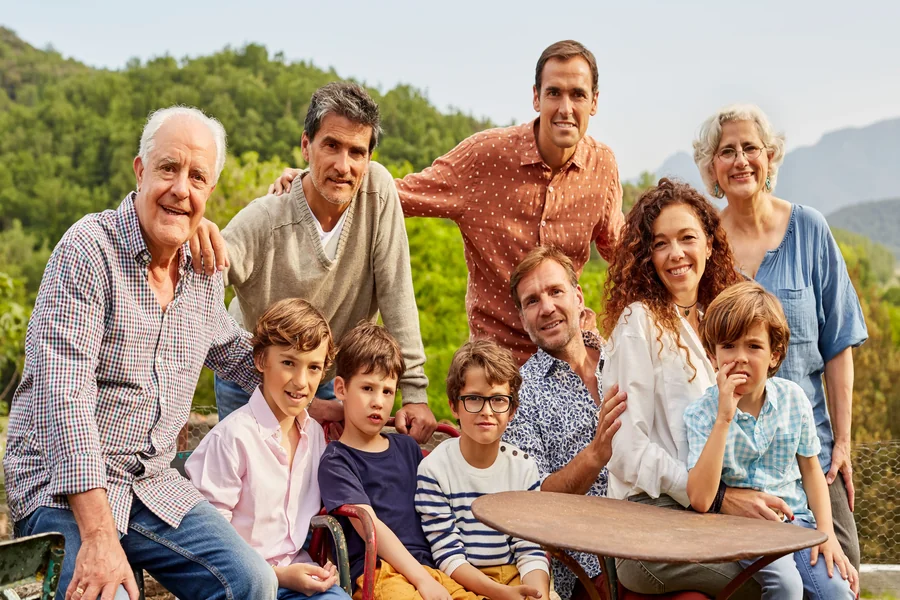
Planning your estate when you have a blended family can feel tense and confusing. You want to protect your spouse. You also want to be fair to children from a prior relationship. If you do not plan, state law decides who gets what. That can ignore your wishes and strain family ties. Careful planning lets you give clear instructions, avoid fights, and reduce delays. You can choose who receives certain assets, who speaks for you if you cannot, and how to protect young or dependent children. You can also guard against someone being left out by accident. This guide walks you through key choices for blended families, from updating your will to naming trusted decision makers. It also explains how tools like beneficiary designations and trusts can support your goals. johnsonmay can then help you put those choices into written legal documents.
Know what happens if you do nothing
First, you need to know what state law does if you die without a will. Each state has rules called intestacy laws. These laws set default shares for a spouse and children. They do not look at stepchildren. They do not know about promises you made.
You can read how intestacy works through your state court or bar site. For example, the Uniform Probate Code gives model rules that many states follow. These rules often split property between a current spouse and children from past relationships. That can shock your spouse and your children. It can also push them into court.
You avoid that result when you sign clear documents that match your blended family.
List who is in your blended family
Next, you should write down everyone you care for. You do not show this list to anyone if you do not want to. It is for you and for your lawyer.
- Current spouse or partner
- Children from this relationship
- Children from past relationships
- Stepchildren you treat as your own
- Grandchildren or other dependents
Then you ask three clear questions.
- Who do you want to protect first
- Who depends on your income
- Who could care for themselves without your help
Your answers guide every choice that follows.
Update your will and beneficiary forms
You then need to line up your will and your beneficiary forms. Many people change a will but forget old forms from years ago. Those old forms still control who gets life insurance or retirement accounts.
You should review these after any big change in your family.
- Marriage or divorce
- Birth or adoption
- Death of a spouse or child
- New house or large account
Retirement accounts and life insurance pass by beneficiary form. They do not follow your will in most cases. The U.S. Department of Labor retirement guide explains how your named beneficiary controls those funds. That is why you must keep these forms current.
Will vs Beneficiary Form for Blended Families
| Tool | What it controls | Common risk in blended families |
|---|---|---|
| Will | Most property in your name | Does not cover retirement or life insurance |
| Beneficiary form | Retirement accounts and life insurance | Old spouse or no stepchildren listed |
| No document | State law controls | Stepchildren left out |
Use clear gifts for each branch of the family
You can calm tensions when each branch of the family sees that you thought of them. You do not need complex words. You only need clarity.
You can set gifts in three ways.
- Fixed dollar gifts to certain people
- Percent shares of what is left
- Specific items like a house or family keepsake
For blended families, many people choose a mix. For example, you might leave the house and a set amount to your spouse. You might give the rest by percent to children from all relationships. You can also name stepchildren for gifts even if state law would not.
Consider a trust to balance spouse and children
A trust lets you protect a current spouse while still saving an inheritance for children. You move property into the trust. You write rules for who can use or receive it.
Common goals include these.
- Let your spouse live in the house for life
- Give your spouse income from investments
- Keep the main property for your children after your spouse dies
A trust can also guard against quick changes after your death. Without a trust, your spouse could change a will and leave out your children from a past relationship. With the right trust, you keep that from happening.
Choose the right person to handle your estate
The person who runs your estate, often called an executor or personal representative, carries great power. In a blended family, this choice can inflame or calm old wounds.
You should ask two questions.
- Can this person stay fair between spouse and children
- Can this person handle money and deadlines
Sometimes you pick a neutral person. For example, you might choose a sibling or a trusted friend instead of your spouse or oldest child. You can also name a paid professional if that fits your budget.
Protect young or dependent children
If you have minor children, you need to name a guardian. This can be a hard step when parents share children with prior partners. Court fights over guardianship tear families apart.
You lower that risk when you do three things.
- Name a main guardian and a backup
- Explain why you chose them in a letter
- Set money in a trust so the guardian does not carry that load alone
This reduces fear that a new spouse will control all money for children from a past relationship. It also gives your children a sense of safety and structure.
Talk about your plan while you can
Written documents are not enough. Silence leaves room for suspicion. Careful talk does not need to share dollar amounts. It should share your reasons.
You might choose to tell your spouse that you set money aside for your children from a past relationship. You might tell your children that you protected your spouse with housing and income. When each person knows you tried to be fair, grief and anger hurt less.
You can also write a short letter to your family. Explain your choices in plain language. That letter has no legal force. It still gives comfort and reduces doubt.
Take your next step
Planning for a blended family takes courage. You face past hurt and current loyalty at the same time. You also protect people who may not agree with each other. You do this work so that your death does not deepen old scars.
Your next step is simple. You list your family. You gather your will, beneficiary forms, and account statements. You then meet with a qualified estate planning lawyer or trusted legal aid office. With clear questions and this structure, you can build an estate plan that guards your spouse, respects your children, and reduces conflict for everyone you love.