
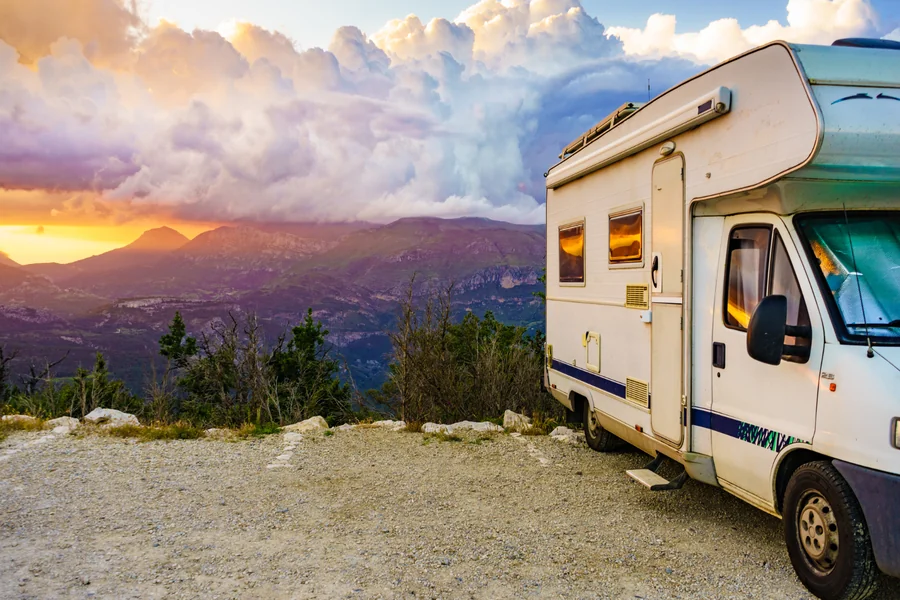
Buying a pre-owned RV can be an exciting way to start your adventures, but it also comes with important decisions. Unlike new models, used RVs require a careful look to ensure you get a reliable, comfortable, and safe vehicle. From checking the engine and tires to inspecting plumbing, electrical systems, and interior features, every detail matters. Understanding what to look for helps you avoid surprises and find a vehicle that fits your lifestyle and budget. With the right tips and a careful eye, shopping for a pre-owned RV can be smooth, confident, and even fun.
Pre-Owned RV Buying Tips That Prevent Expensive Surprises
Before you get swept up by gorgeous interiors or a seller’s charming pitch, you need a grounded approach that eliminates bad matches and financial traps before you even book a viewing. Strategic buyers begin with clear-eyed self-assessment, not wishful thinking.
Match Your Travel Style First
Don’t let aesthetics drive your decision. Weekend adventurers require completely different capabilities than year-round travelers who spend winters off-grid. Think about your actual camping destinations; state facilities frequently impose length restrictions, and narrow mountain sites punish oversized vehicles mercilessly. Your home driveway measurements, neighborhood regulations, and available storage access carry more weight than you’d expect.
The Ownership Cost Reality Nobody Mentions
The purchase price? That’s merely your entry fee. Insurance premiums, annual registration, storage rentals, and regular upkeep compound quickly. Set aside budget for “first ninety-day” expenses: tires that appear acceptable but are seven years old, batteries showing weak testing results, seals requiring fresh application, and safety equipment you didn’t realize was absent. Reserve 10-15% of what you paid for inevitable repairs and modifications; trust me, you’ll tap into it.
Dealership vs Private Party Trade-Offs
Dealerships provide warranty possibilities and refurbishment documentation, though you’ll face higher sticker prices. Private individuals offer better pricing but absolutely zero recourse. Consignment operations land somewhere between. Solid documentation trails service histories, maintenance journals, and previous insurance filings carry more significance than your purchasing channel.
When reviewing available inventory at regional dealerships, shoppers specifically looking for used rvs utah options will generally encounter units already tested by these environmental factors, simplifying verification of climate-suitable features and enabling comprehensive local inspections. Question storage practices and travel history, mountain-country rigs reveal different stress indicators than coastal campers.
Used RV Features to Consider Before You Compare Floorplans
Now that you’ve established your travel requirements, financial cushion, and purchasing approach, it’s time to separate RV features that genuinely safeguard your investment from those that merely look attractive but underperform. Build quality trumps decorative touches every single time.
Construction Quality Signals
Wall assembly methods make a difference; laminated construction outlasts hung wall systems. Roofing materials (TPO, EPDM, or fiberglass) influence durability and maintenance expenses. Aluminum frameworks resist deterioration better than wood, particularly in moisture-prone environments. Slide-out operations use either rack-and-pinion or cable mechanisms; the first costs more initially but experiences fewer breakdowns.
Four-Season and Climate Readiness
A “heated underbelly” label doesn’t automatically mean genuine four-season capability. Seek out dual-pane glazing, heat ducting routed to underbelly spaces, protected valve compartments, and tank heating pads. For warm-climate performance, verify dual AC preparation and sufficient insulation; summer heat destroys comfort more rapidly than winter chill.
What to Check When Buying a Used RV: The Walkaround Checklist
Grasping construction fundamentals and system specifications matters, but the real assessment happens when you methodically examine the rig with a structured inspection protocol, beginning where 90% of catastrophic failures start: water penetration. Skip this phase, and you’ve just purchased someone else’s disaster.
Water Intrusion Red Flag Map
Leaks appear in predictable locations: roof penetrations, front and rear caps, slide corners, windows, marker lights, and basement doors. Apply firm pressure around these zones searching for soft spots, particularly bathroom flooring, beneath windows, entry steps, and slide perimeters. New caulking on aging rigs frequently conceals problems rather than resolving them. Your nose knows; musty smells tell the truth.
Systems Test Drive: Plumbing, Electrical, and HVAC
An immaculate exterior and bone-dry flooring mean absolutely nothing if the plumbing behaves erratically, the refrigerator won’t maintain temperature, or the furnace shuts down after ten minutes. Operate every system on-location before any transaction occurs. Pre-owned RV buying tips consistently stress live verification, not verbal assurances.
Plumbing Beyond “Turn on the Faucet”
Evaluate city water and pump modes independently. Listen for pump activation when no fixtures are running, which signals hidden leak activity. Confirm water heater functionality on both electric and propane settings. Inspect bypass valve positioning and holding tank sensor precision, though inaccurate readings occur frequently.
Electrical and Battery Health
Shore power evaluation should validate all receptacles, GFCIs, and converter charging voltage parameters. Measure battery resting voltage and load-bearing performance. Corroded connection points indicate maintenance neglect. Test the inverter using small appliance loads to verify transfer switch operation.
Best Used RVs to Buy: Proven Models and Smart Age Ranges
With inspection fundamentals mastered, your next strategic question becomes: which model years, layouts, and feature packages offer optimal reliability-to-value ratios for your particular travel objectives? Age alone doesn’t reveal the complete picture.
The Value Sweet Spot Years
Most shoppers discover optimal value in 3-7 year old inventory where depreciation has stabilized, yet primary systems maintain dependability. Older units can succeed if maintenance documentation proves thorough and critical systems received upgrades. Avoid units showing repeated roof leak remediation without documentation, persistent slide complications, or extensive delamination.
Best used RVs to buy by Travel Style
Weekend campers benefit from simpler system designs and fewer slideouts that minimize failure opportunities. Full-time travelers require four-season construction, expanded tank capacity, and robust electrical infrastructure. Boondocking enthusiasts should prioritize solar-prepared roofs, lithium battery integration, and elevated ground clearance. Families need proven bunkhouse configurations with practical storage solutions.
Paperwork, Pricing, and Professional Inspection Strategy
Even a mechanically sound RV from the ideal year range can transform into a legal and financial disaster if title complications exist, VIN discrepancies appear, or undisclosed liens emerge after you’ve completed payment. Documentation safeguards your investment equally to physical inspection.
Title and VIN Verification
Confirm VIN consistency across the title, chassis plate, and manufacturer labels. Execute lien searches and screen for salvage or rebuilt designations. Collect service documentation showing roof reseal schedules, appliance replacements, and bearing maintenance.
Pricing Using Multiple References
Evaluate comparable listings by year, trim level, equipment, geography, and seasonality. Account for tire age, battery status, roof condition, and generator operating time. Convert inspection discoveries into itemized adjustments, new tires, roof reseal, brake service, then negotiate using actual figures, not emotional responses.
When Professional Inspection Pays Off
NRVIA-style inspections address systems and structural elements thoroughly. Specialized additions like moisture mapping and propane leak detection catch what amateur checks miss. Leverage the report for renegotiation or walk away if discovered problems surpass your acceptable risk threshold.
Common Questions About Buying Pre-Owned RVs
Should a used RV be inspected with water in the tanks or dry?
Partially fill the fresh tank during evaluation, pressurized systems expose leaks that empty tanks conceal. Operate faucets, flush toilets, and examine every connection while watching for drips or pump cycling activity.
Which signs indicate hidden water damage, even if the RV smells clean?
Fresh caulking on older units, recent paint or wallcovering, and brand-new flooring adjacent to slides or bathrooms frequently mask water damage. Apply firm pressure on floors and walls; soft spots reveal truth, even beneath cosmetic covers.
What documents should I ask for when buying from a private seller?
Request the original title, maintenance receipts, winterization documentation, insurance claim records, and owner’s manuals. Service records for major elements like roof resealing, generator maintenance, and appliance replacements demonstrate responsible ownership.
Final Thoughts on Pre-Owned RV Shopping Success
What to check when buying a used RV ultimately decides whether you acquire a dependable adventure companion or inherit costly complications. Water intrusion verification, systems validation, and realistic budget planning prevent the “appears excellent, fails soon” catastrophes that plague unprepared buyers.
Used RV features to consider, from structural quality to electrical systems, directly influence long-term satisfaction and eventual resale value. Don’t accelerate the timeline, don’t bypass inspections, and don’t dismiss warning signals because the layout feels ideal. Your future self will appreciate the diligence when that inaugural journey proceeds smoothly instead of concluding at a service center.