

Excavator fuel economy has a direct influence on operational budgets, project timeframes, and the environment. Fuel is generally one of the most expensive continuing expenditures for equipment owners and contractors. Poor habits, old components, and ineffective planning all contribute to higher consumption without increasing productivity. Understanding what drives fuel use enables teams to gain control of their everyday expenditures. This tutorial covers the major elements that determine excavator fuel economy and provides practical techniques for lowering burn rates. It focuses on maintenance, operator behavior, worksite planning, and technological options. Crews may use these tactics to save fuel expenditures, lengthen equipment life, and increase overall productivity without compromising performance.
What Affects Excavator Fuel Efficiency on the Jobsite?
Engine Performance and Maintenance Practices
Engine performance significantly influences how much gasoline an excavator consumes. Dirty filters reduce airflow and make engines work harder. Worn injectors produce irregular fuel flow, lowering combustion efficiency. Old oil causes more friction and heat buildup. Regular maintenance ensures that engines operate within their design limits. Overheating affects efficiency; therefore, cooling system faults also have an impact on fuel consumption. Operators and technicians should adhere strictly to the manufacturer’s servicing intervals. Clean components burn gasoline more thoroughly and produce consistent power. Well-maintained engines respond faster to load changes and waste less throttle input. Proper maintenance reduces fuel consumption, eliminates power outages, and ensures consistent performance under severe work circumstances.
Operator Skill, Habits, and Daily Behavior
The fuel economy of excavators is greatly influenced by operator behavior. Aggressive throttle usage increases fuel consumption without improving power. Smooth, controlled motions lower engine load and hydraulic strain. Skilled operators plan bucket pathways to prevent needless repositioning. Excessive idling burns fuel and reduces productivity. During prolonged periods of inactivity, operators should turn off machinery. Proper warm-up techniques are also important. Over-revving cold engines increases consumption and wear. Training enables operators to grasp efficient digging techniques and cycle timing. When operators focus on consistent operation, machines execute jobs with less fuel. Developing consistent habits improves efficiency, lowers expenses, and reduces mechanical stress across the workplace.
Jobsite Conditions, Load Size, and Duty Cycles
Jobsite factors influence how hard an excavator needs to work to fulfill tasks. Dense dirt, rock, or damp material improves resistance and fuel efficiency. Oversized loads put a burden on hydraulics and engines with each cycle. Long duty cycles with steady hard digging result in higher consumption than intermittent labor. Poor site planning often results in more travel and repositioning. Slopes and uneven terrain decrease efficiency by decreasing stability. Contractors should match the machine size to the material and work requirements. Balanced load sizes and planned workflows lessen engine stress. Under real-world situations, optimizing duty cycles allows excavators to maintain consistent output while using less fuel.
How Can Proper Operation and Maintenance Reduce Fuel Use?
Preventive Maintenance Schedules That Save Fuel
Preventive maintenance ensures that excavators function effectively and avoids fuel waste. Scheduled oil changes reduce friction and moderate engine temperature. Clean air and fuel filters promote optimum combustion. Hydraulic system servicing reduces pressure loss and slow reaction. Cooling system maintenance prevents overheating, which increases fuel consumption. Technicians should follow hourly service intervals and monitor consumption patterns. Small modifications made early can avert bigger efficiency losses later. Maintenance data might assist in discovering usage patterns. A structured timetable enables machinery to function at maximum efficiency. Preventive care avoids unnecessary downtime, decreases fuel costs, and ensures constant performance over long shifts and heavy workloads.
Smart Operating Techniques to Lower Fuel Burn
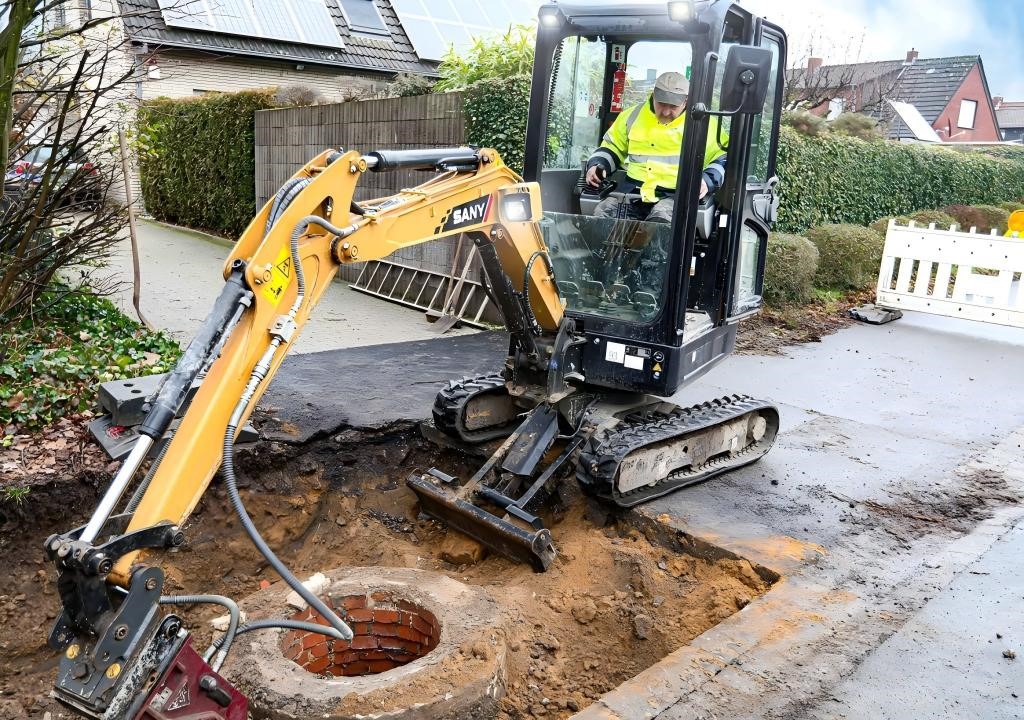
Smart operating procedures assist in decreasing excavator fuel consumption during everyday operations. Operators should select economy settings when high power is not required. Coordinated boom, arm, and swing movements save cycle time. Avoiding excessive engine speeds saves gasoline. Operators should place vehicles and stockpiles to reduce swing distance. Smooth starts and pauses help to prevent load spikes. Limiting travel with full buckets increases efficiency. Operators should keep an eye on gauges and alter their behavior based on how the machine responds. Training strengthens these patterns and increases awareness. Using effective practices on a continuous basis allows teams to do the same task with less fuel, lowering operating costs without delaying productivity or increasing wear.
Using the Right Attachments and Machine Settings
Attachments and machine settings affect how effectively fuel is converted into work. Oversized buckets increase both load and fuel consumption. Attachments should be properly sized to fit the material density and task requirements. Worn teeth and edges diminish cutting efficiency, requiring more throttle usage. Hydraulic settings should be consistent with attachment needs. Incorrect flow rates cost energy and cause delayed responses. Operators should choose operating modes that balance power and efficiency. Modern excavators have changeable settings for various jobs. Using the proper attachments and combinations lessens the load on systems. Matching equipment to the work enables excavators to perform effectively, save fuel, and offer consistent results across various applications and operating circumstances.
Practical Ways to Cut Excavator Fuel Costs Long Term
Planning Workflows and Reducing Idle Time
Contractors may save money on fuel by planning ahead of time. Effective site layout minimizes travel and movement. Task sequencing reduces machine relocation and wait times. Clear communication prevents equipment from being idle during coordination delays. Instead of idling engines during lengthy periods of rest, turn them off. Tracking idle hours shows waste and training needs. Supervisors can balance workloads and reduce congestion by making schedule changes. Excavators that are well-planned will use less fuel and perform more efficiently. Reduced idle time lowers fuel costs, increases service intervals, and improves project equipment utilization.
Choosing Fuel-Efficient Excavator Models and Technologies
The type of equipment used affects fuel prices over time. Recent excavators have powerful engines, complex hydraulics, and intelligent control systems. Engine shutdown, auto idle, and load sensing all reduce fuel waste. Hybrid and electric assist technologies improve efficiency in qualified occupations. Buyers should consider fuel economy, not just horsepower. Right-sizing the machine eliminates fuel-wasting capacity. High-efficiency technology is more expensive upfront, but it saves money over time. Choose fuel-efficient excavators to decrease operating costs, regulatory compliance, and long-term sustainability while maintaining construction performance.
Tracking Fuel Consumption and Operator Performance
Tracking fuel use exposes both inefficiencies and opportunities for improvement. Telematics monitors fuel, idle, and operating hours. Managers can assess machine and operator performance. Clear data highlights training and maintenance issues. Operators become aware when their procedures provide results. Fuel tracking allows for more accurate budgeting and forecasting. Regular report reviews encourage accountability and improvement. Team decisions based on data reduce waste and increase efficiency. Monitoring enables contractors to minimize fuel expenses, increase productivity, and extend equipment life through informed operational modifications and targeted assistance.
Conclusion
Excavator fuel efficiency depends on maintenance, operator behavior, and job planning. The same principles apply whether crews operate a mini excavator or a larger machine. Small changes in everyday behaviors lead to significant cost reductions over time. Clean engines, educated personnel, and efficient processes decrease fuel use. Long-term running expenses are also influenced by the equipment and technologies used. Contractors who prioritize efficiency get more control over budgets and machine health. Fuel savings boost profits without lowering productivity. A disciplined strategy enables teams to discover waste and implement real remedies. Crews may extend the life of their equipment, promote sustainable practices, and keep projects competitive by carefully regulating fuel use. Efficient excavator operation helps owners, operators, and the environment at all stages of development.