
Modern software applications operate in fast-moving digital environments where threats can emerge during active runtime rather than only at the network perimeter. As applications interact continuously with users, APIs, cloud services, and third-party components, attackers increasingly focus on exploiting vulnerabilities while systems are executing. This shift has made runtime protection a critical requirement for securing modern software ecosystems.
To address these evolving risks, organizations are adopting RASP security to embed protection directly within applications. This enables real-time detection and response to threats while the software is running, reducing dependency on external security tools and strengthening overall application resilience across dynamic environments.
Expanding Attack Surface in Modern Applications
Applications today are deeply integrated with multiple systems, creating a highly connected environment that improves functionality but also expands exposure. Every API call, user session, and external integration becomes a potential entry point for attackers seeking to exploit runtime weaknesses.
As digital ecosystems grow, attackers no longer rely solely on external intrusion methods. Instead, they target active application processes, injecting malicious payloads or exploiting authentication gaps during live sessions. These attacks are often difficult to detect because they occur within legitimate application flows.
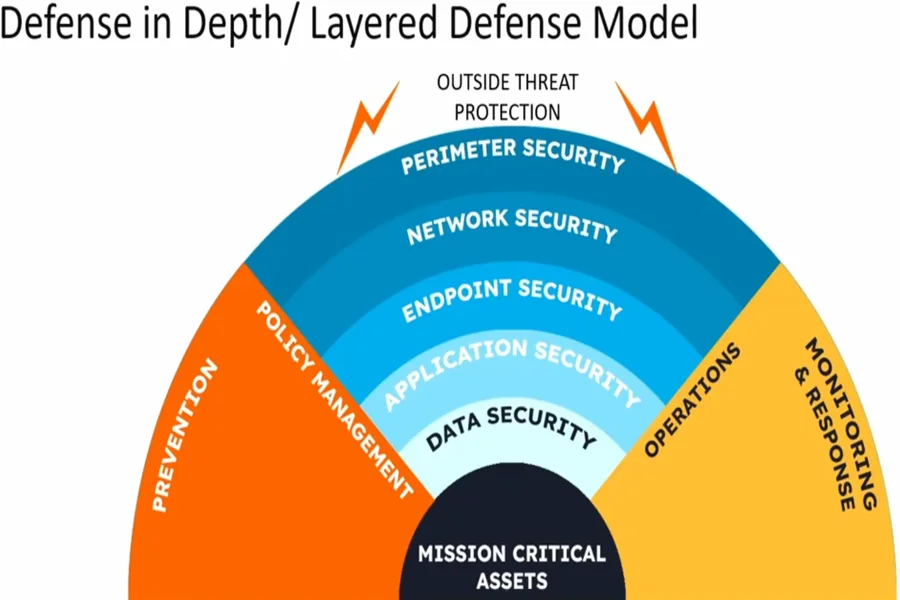
The growing complexity of application architectures makes it essential to implement layered defenses that can operate during execution. Without real-time visibility and protection, even well-secured applications can become vulnerable once they begin processing live user requests.
Limitations of Traditional Security Models
Traditional security approaches primarily focus on perimeter defense, relying on firewalls, gateways, and static code analysis to prevent attacks. While these methods are important, they are not sufficient to address modern runtime threats within the application environment.
One major limitation is the inability to detect attacks that bypass the perimeter entirely. Once an attacker gains access via valid credentials or compromised endpoints, traditional systems often struggle to detect malicious activity within active sessions.
Another challenge is delayed response. Conventional tools typically detect threats only after they have already affected the system, reducing their effectiveness at preventing real-time exploitation. This gap has led to increased adoption of runtime-focused protection strategies such as RASP security, which provides in-application visibility and faster response capabilities.
Core Layers of Real-Time Application Defense
Real-time application defense relies on multiple integrated layers that work together to monitor, detect, and respond to threats during execution.
-
Runtime Behavior Monitoring
This layer continuously observes application behavior during execution, tracking API calls, user interactions, and system-level events. It helps identify deviations from normal patterns that may indicate malicious activity.
-
Dynamic Threat Detection Engine
The detection engine evaluates runtime data using behavioral analytics and rule-based logic. It flags suspicious actions such as unauthorized data access or abnormal request patterns.
-
Embedded In-App Security Controls
Security controls embedded within the application ensure that protection is enforced internally rather than relying solely on external systems. This enables faster and more accurate threat mitigation.
-
Code Integrity Validation
This mechanism ensures that application code remains unchanged during execution. Any unauthorized modification or injection triggers immediate defensive action to prevent exploitation.
-
Automated Response Mechanisms
Automated systems respond instantly to detected threats by blocking requests, terminating sessions, or isolating compromised components to prevent further damage.
Role of RASP Security in Real-Time Protection
Runtime Application Self-Protection plays a central role in modern software defense strategies by embedding security directly into the application environment. This allows continuous monitoring and immediate response without relying on external inspection tools.
Organizations implementing RASP security gain deeper insight into application behavior during execution, enabling them to detect sophisticated attacks that bypass traditional defenses. This approach significantly improves response time and reduces the impact of runtime exploitation attempts.
Advantages of Layered Runtime Defense Systems
Layered runtime defense systems provide multiple benefits that enhance application resilience and operational stability. By combining monitoring, detection, and response mechanisms, these systems ensure that threats are addressed instantly as they occur.
They also reduce dependency on manual intervention, allowing security responses to be automated and more efficient. This improves both accuracy and speed, especially in high-traffic environments where real-time protection is critical.
Additionally, layered systems help maintain the user experience by preventing disruptions from external attacks or system compromise. This balance between performance and security is essential for modern digital platforms.
Best Practices for Strengthening Runtime Security
Effective runtime security requires a structured approach that integrates protection mechanisms directly into application design and operation.
- Embed security controls within application architecture
- Enable continuous monitoring of runtime behavior
- Implement automated threat detection systems
- Validate code integrity during execution
- Use real-time alerting for suspicious activities
- Regularly update security rules and policies
These practices help build a resilient security framework capable of adapting to evolving threats. When applied consistently, they significantly reduce vulnerabilities and improve application stability.
Challenges in Real-Time Application Protection
Despite its advantages, real-time protection introduces challenges such as performance optimization and threat-detection accuracy. Continuous monitoring can create overhead if not properly optimized, especially in high-performance applications.
Another challenge is minimizing false positives. Over-sensitive detection systems may flag legitimate user behavior as suspicious, potentially affecting user experience. Balancing precision and responsiveness is therefore essential for effective runtime protection.
Building a Future-Ready Runtime Security Strategy
A future-ready approach to runtime security focuses on adaptability, intelligence, and continuous evolution. As threats become more sophisticated, security systems must be capable of learning and responding in real time.
-
AI-Powered Threat Intelligence
Artificial intelligence enhances detection accuracy by analyzing behavioral patterns and identifying anomalies in real time.
-
Adaptive Security Enforcement
Adaptive systems adjust security responses based on risk levels, ensuring balanced protection without disrupting legitimate users.
-
Cloud-Native Security Architecture
Cloud-native models provide scalability and flexibility, enabling consistent protection across distributed application environments.
-
Continuous Threat Intelligence Updates
Ongoing intelligence feeds help systems stay updated with emerging attack techniques and vulnerabilities.
-
Zero Trust Execution Model
Zero trust principles ensure that every request is verified continuously, even within trusted application environments.
Conclusion
Real-time application defense has become essential for protecting modern software systems from increasingly sophisticated runtime threats. By integrating monitoring, detection, and automated response mechanisms, organizations can secure applications during execution and reduce the risk of exploitation.
For businesses seeking advanced application protection, Doverunner delivers enterprise-grade security solutions designed to strengthen runtime defenses and safeguard digital ecosystems. With expertise in anti-tampering systems, behavioral monitoring, and RASP security, Doverunner enables organizations to build resilient, secure, and high-performance applications across all platforms.