
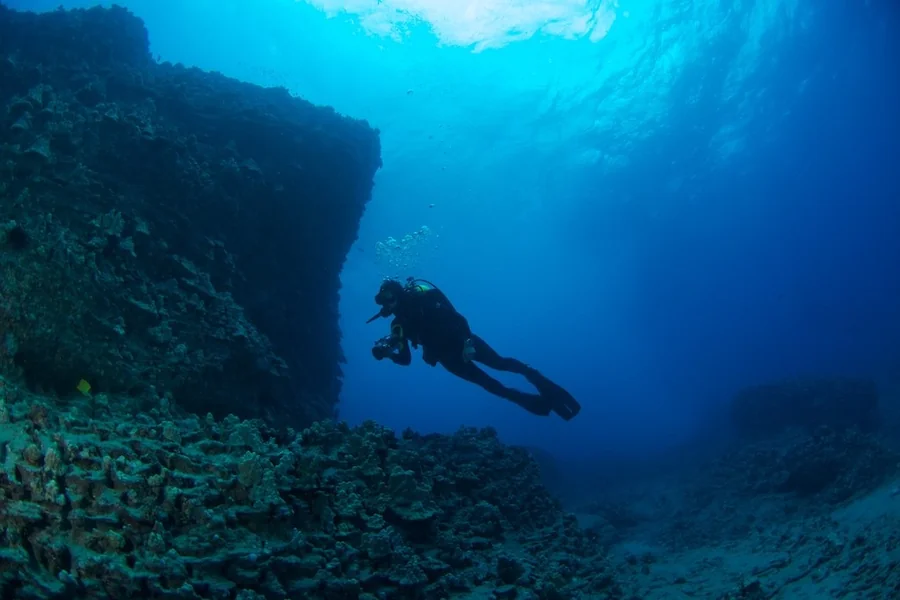
Scuba diving is both an exciting adventure and a skill that demands discipline, knowledge, and consistent practice. While many divers complete an entry-level certification and begin exploring the underwater world, becoming truly proficient requires continued learning and advanced training. The ocean is a dynamic environment where conditions, equipment, and personal decision-making can influence safety and enjoyment. For this reason, divers who want to Improve diving skills often pursue additional education, practical experience, and specialized training.
Research published by organizations such as the Divers Alert Network (DAN) highlights that ongoing diver education significantly reduces accident risk and improves confidence underwater. Training not only strengthens technical abilities but also sharpens situational awareness and environmental responsibility. Through structured instruction, practice dives, and knowledge development, divers can gradually refine their abilities and transform recreational dives into safer and more rewarding experiences.
The Importance of Continuing Education in Diving
Initial scuba certification teaches essential skills such as buoyancy control, underwater communication, and equipment handling. However, these foundational skills represent only the beginning of a diver’s learning journey. As divers gain experience, they encounter different dive environments, including deeper waters, currents, low visibility conditions, and complex marine ecosystems.
Continuing education allows divers to expand their abilities in a controlled learning environment. According to the Professional Association of Diving Instructors (PADI), divers who participate in advanced training courses demonstrate better buoyancy control and air consumption efficiency compared to divers who rely solely on experience without formal training. These improvements occur because structured programs focus on correcting habits, refining techniques, and providing expert feedback.
Divers who want to Improve diving skills through advanced training often enroll in courses that focus on deep diving, underwater navigation, rescue techniques, and specialty skills such as night diving or underwater photography. Each course adds new layers of knowledge and reinforces existing skills through guided practice.
Mastering Buoyancy Control
One of the most important abilities any diver can develop is precise buoyancy control. Maintaining neutral buoyancy allows divers to hover effortlessly in the water column without damaging marine life or stirring up sediment.
Studies conducted by the National Oceanic and Atmospheric Administration (NOAA) emphasize that poor buoyancy control is a leading cause of accidental coral damage on recreational dives. When divers improve their buoyancy techniques, they not only enhance their own safety but also protect fragile underwater ecosystems.
Advanced training programs often include buoyancy workshops where divers practice breathing control, weight distribution, and trim adjustments. By learning how small movements affect buoyancy, divers develop the fine motor control necessary for stable underwater movement.
Divers who focus on buoyancy training often notice that their air consumption improves significantly. Efficient buoyancy reduces unnecessary movement and energy use, allowing divers to extend dive times and maintain greater comfort underwater. As divers work consistently to Improve diving skills, buoyancy mastery becomes one of the most noticeable improvements.
Developing Strong Underwater Navigation Skills
Underwater navigation is another essential skill that separates beginner divers from experienced ones. In open water environments, landmarks can appear unfamiliar or distorted due to limited visibility and shifting currents. Without reliable navigation techniques, divers may become disoriented or drift away from planned routes.
Advanced navigation training teaches divers how to use compasses, natural references, and distance estimation techniques. For example, divers learn to count fin kicks, identify current direction, and recognize underwater features that serve as orientation markers.
According to training guidelines from Scuba Schools International (SSI), divers who complete structured navigation training demonstrate significantly higher success rates in returning to their starting points compared to divers who rely only on memory or intuition.
As divers practice these techniques in real-world conditions, their confidence grows. Developing reliable navigation abilities helps divers Improve diving skills by increasing independence and reducing reliance on guides or instructors.
Expanding Knowledge Through Rescue Training
Rescue diver training represents a major step in the development of responsible divers. While entry-level courses primarily focus on personal safety, rescue training expands awareness to include the safety of others.
Rescue courses teach divers how to identify early warning signs of stress, panic, or fatigue in fellow divers. Participants also practice emergency management techniques such as assisting tired divers, performing controlled ascents, and providing first aid at the surface.
The Divers Alert Network reports that divers trained in rescue techniques are more likely to recognize and prevent potential incidents before they escalate. By developing strong situational awareness, rescue-trained divers contribute to safer dive communities.
Through these programs, divers often discover that improving safety awareness is one of the most effective ways to Improve diving skills overall. The knowledge gained from rescue training enhances confidence, leadership ability, and underwater decision-making.
Improving Air Consumption and Dive Efficiency
Many divers aim to extend their dive time by improving air consumption. Efficient breathing and movement underwater play a significant role in how long a diver can stay submerged.
Air consumption depends on several factors, including physical fitness, buoyancy control, breathing patterns, and environmental conditions. Divers who move slowly, maintain proper trim, and breathe steadily typically use less air than those who kick aggressively or struggle with buoyancy.
Advanced training programs often include exercises that help divers identify habits that waste energy. For example, instructors may analyze a diver’s trim position or finning technique and recommend adjustments to reduce drag.
Research conducted by diving education organizations suggests that divers who refine their technique can reduce air consumption by up to 20 percent in some cases. By focusing on efficiency, divers not only extend dive time but also enhance comfort and safety.
Learning these techniques allows divers to Improve diving skills while enjoying longer and more relaxed underwater experiences.
Building Environmental Awareness and Responsible Diving Habits
Modern scuba diving places increasing emphasis on environmental responsibility. Divers are visitors in delicate marine ecosystems that can be easily damaged by careless movement or improper behavior.
Advanced training encourages divers to develop a deeper understanding of marine life, coral reef systems, and conservation practices. Programs often include education on responsible finning techniques, avoiding contact with wildlife, and minimizing environmental disturbance.
Organizations such as the International Coral Reef Initiative (ICRI) emphasize that responsible diver behavior plays a crucial role in protecting coral reefs worldwide. Divers who receive environmental training are more likely to follow best practices that preserve underwater habitats.
As divers expand their knowledge of marine ecosystems, they often gain a stronger appreciation for the environments they explore. This awareness naturally supports efforts to Improve diving skills, as divers become more mindful of their movements and interactions underwater.
The Role of Experience and Repetition
While formal training provides structure and guidance, real improvement also comes from consistent practice. Each dive offers an opportunity to reinforce learned skills, test new techniques, and build confidence in different environments.
Experienced divers often keep detailed dive logs that record conditions, equipment configurations, and lessons learned. Reviewing these logs allows divers to track progress and identify areas for improvement.
Scientific research in skill development shows that repetition plays a critical role in mastering complex physical activities. Diving involves coordination, spatial awareness, and decision-making under changing conditions, making practice essential for long-term improvement.
Divers who regularly dive in varied environments—such as reefs, wrecks, and drift locations—develop adaptability and problem-solving abilities. This exposure gradually helps them Improve diving skills in ways that classroom instruction alone cannot achieve.
Physical Fitness and Mental Preparation
Scuba diving requires moderate physical fitness and strong mental focus. Divers must be capable of managing equipment, swimming against currents, and remaining calm in unfamiliar conditions.
Studies published in diving medicine journals indicate that physical conditioning improves endurance and reduces fatigue during dives. Activities such as swimming, cardiovascular training, and flexibility exercises help divers maintain stamina and mobility underwater.
Mental preparation is equally important. Calm breathing, situational awareness, and stress management contribute to safe diving practices. Experienced divers often emphasize the importance of slowing down, observing surroundings carefully, and maintaining clear communication with dive partners.
By improving both physical and mental readiness, divers strengthen the foundation necessary to Improve diving skills and handle challenging underwater situations with confidence.
Using Technology to Enhance Training
Modern diving technology has introduced new tools that help divers refine their abilities. Dive computers, underwater cameras, and digital logging systems provide valuable feedback that supports ongoing learning.
Dive computers track depth, bottom time, ascent rates, and decompression limits, allowing divers to analyze their dive profiles afterward. Reviewing this data can reveal patterns such as rapid ascents or inefficient depth changes.
Underwater video recording has also become a useful training tool. By reviewing footage, divers can observe their buoyancy control, finning technique, and body positioning from a new perspective.
While technology cannot replace proper training, it can complement educational programs and help divers monitor their progress over time.
A Lifelong Learning Journey Beneath the Surface
Becoming a skilled scuba diver is not a single achievement but an ongoing process of learning and refinement. Advanced training provides a structured pathway for divers who want to deepen their knowledge, improve safety awareness, and expand their underwater capabilities.
Through courses in buoyancy control, navigation, rescue techniques, and environmental awareness, divers gradually develop the experience needed to handle complex dive situations. Supported by credible research and guidance from organizations such as DAN, NOAA, and leading diving training agencies, these programs provide reliable methods for skill development.
Ultimately, the journey to Improve diving skills requires dedication, curiosity, and respect for the underwater environment. By combining education, practice, and thoughtful preparation, divers can continue to grow in confidence and competence while exploring the extraordinary world beneath the ocean’s surface.