
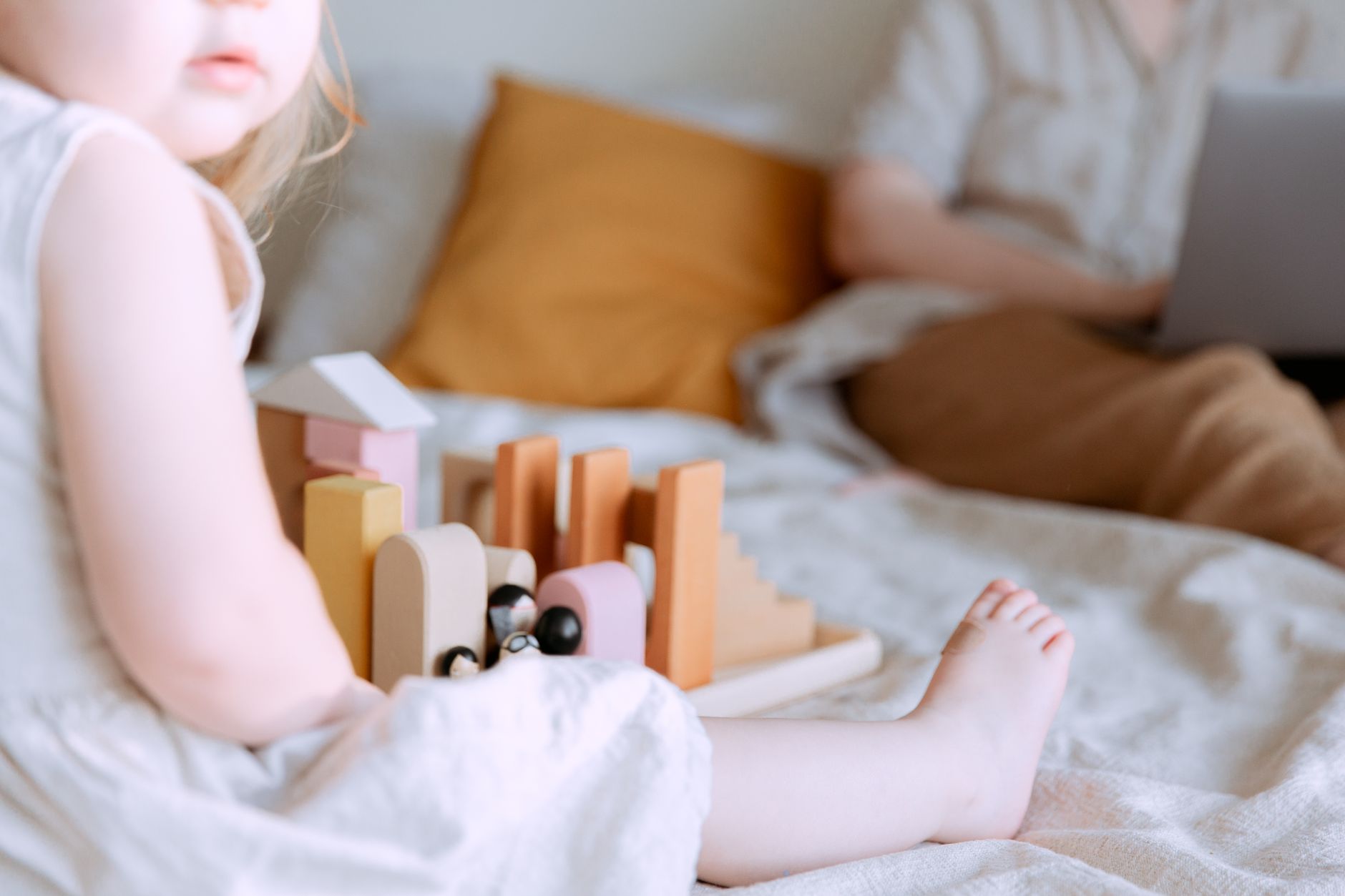
Building a Foundation of Belonging
A childcare center is often a child’s first experience of a structured social environment outside the home. In these early years, children are forming essential beliefs about themselves and the world around them. When a center makes each child feel valued, it creates a strong sense of belonging that becomes the foundation for healthy emotional development. Children who feel recognized and accepted are more likely to feel safe in their surroundings, which directly influences how they explore, learn, and interact with others. This sense of belonging reassures them that they are not just part of a group, but meaningful individuals within it. Without this assurance, children may feel disconnected or anxious, which can hinder their ability to engage fully in daily activities.
Emotional Security and Trust in Caregivers
Emotional security is one of the most important outcomes of a nurturing childcare environment. When caregivers consistently show children that they are important—by listening, responding kindly, and showing patience—children develop trust in the adults around them. This trust is crucial because young children rely on adults to help them understand and manage their emotions. In a childcare center where each child feels valued, caregivers become safe emotional anchors. Children learn that their feelings will be acknowledged rather than ignored or dismissed. This creates a stable emotional base, allowing them to handle separation from parents more easily and adjust to new experiences with confidence rather than fear.
Supporting Healthy Social Development
Social skills begin developing very early in life, and childcare centers play a major role in shaping how children interact with others. When children feel valued, they are more likely to develop respect for their peers. They learn by example: if caregivers treat each child with dignity, children begin to mirror that behavior in their own interactions. This includes learning to share, take turns, express disagreement respectfully, and show empathy. In contrast, environments where children feel overlooked can lead to competition for attention or social withdrawal. A valuing environment encourages cooperation rather than comparison, helping children build strong, positive relationships that can carry into later schooling and life.
Encouraging Confidence and Learning Motivation
Children are naturally curious, but that curiosity needs encouragement to flourish. When a childcare center makes each child feel valued, it sends a powerful message: their ideas, questions, and efforts matter. This recognition builds confidence, making children more willing to try new activities and persist through challenges. A child who feels respected is less afraid of making mistakes and more open to learning. This is essential for early cognitive development, where exploration and experimentation are key. When educators acknowledge effort rather than only results, children begin to associate learning with positive reinforcement. Over time, this strengthens motivation and fosters a lifelong love of learning.
Emotional Development and Self-Regulation
Early childhood is a critical period for learning how to manage emotions. Children experience strong feelings but do not yet have the skills to regulate them independently. A childcare center that values each child plays an important role in teaching these skills. Caregivers who validate emotions—acknowledging frustration, sadness, or excitement—help children understand that feelings are normal and manageable. Instead of punishing emotional expression, they guide children through it. This support helps children develop self-regulation, which is the ability to control impulses and respond appropriately to situations. Over time, this builds resilience and emotional maturity, both of which are essential for later success in school and relationships.
The Role of Respectful Communication
Communication is one of the clearest indicators of whether a childcare center values children. Respectful communication involves speaking to children in a calm, attentive, and age-appropriate way. It includes listening carefully, making eye contact, and responding thoughtfully to their needs and questions. When caregivers use respectful communication, children feel heard and understood. This reinforces their sense of self-worth and encourages them to express themselves more openly. On the other hand, rushed or dismissive communication can make children feel invisible or unimportant. Over time, the quality of communication in a childcare setting directly shapes how confidently children express their thoughts and emotions.
Creating Inclusive and Individualized Learning
Every child develops at a different pace and has unique strengths, interests, and needs. A childcare center that values each child recognizes and embraces these differences. Instead of using a one-size-fits-all approach, caregivers adapt activities and teaching methods to support individual development. This might involve offering different types of play, adjusting levels of difficulty, or providing extra encouragement where needed. Individualized attention helps children feel seen as unique individuals rather than just members of a group. It also ensures that no child is left behind or overlooked. This inclusive approach supports both academic and emotional growth, allowing each child to progress with confidence.
Long-Term Impact on Self-Worth and Identity
The experiences children have in childcare settings contribute significantly to how they view themselves later in life. When a child consistently feels valued during early development, they are more likely to develop a strong sense of self-worth. This positive self-image influences how they approach challenges, relationships, and learning in the future. They are more likely to believe in their abilities, advocate for themselves, and form healthy relationships with others. Conversely, early experiences of feeling ignored or undervalued can contribute to self-doubt and insecurity. A childcare center that prioritizes valuing each child is therefore not just supporting present well-being, but actively shaping a healthier long-term identity.