
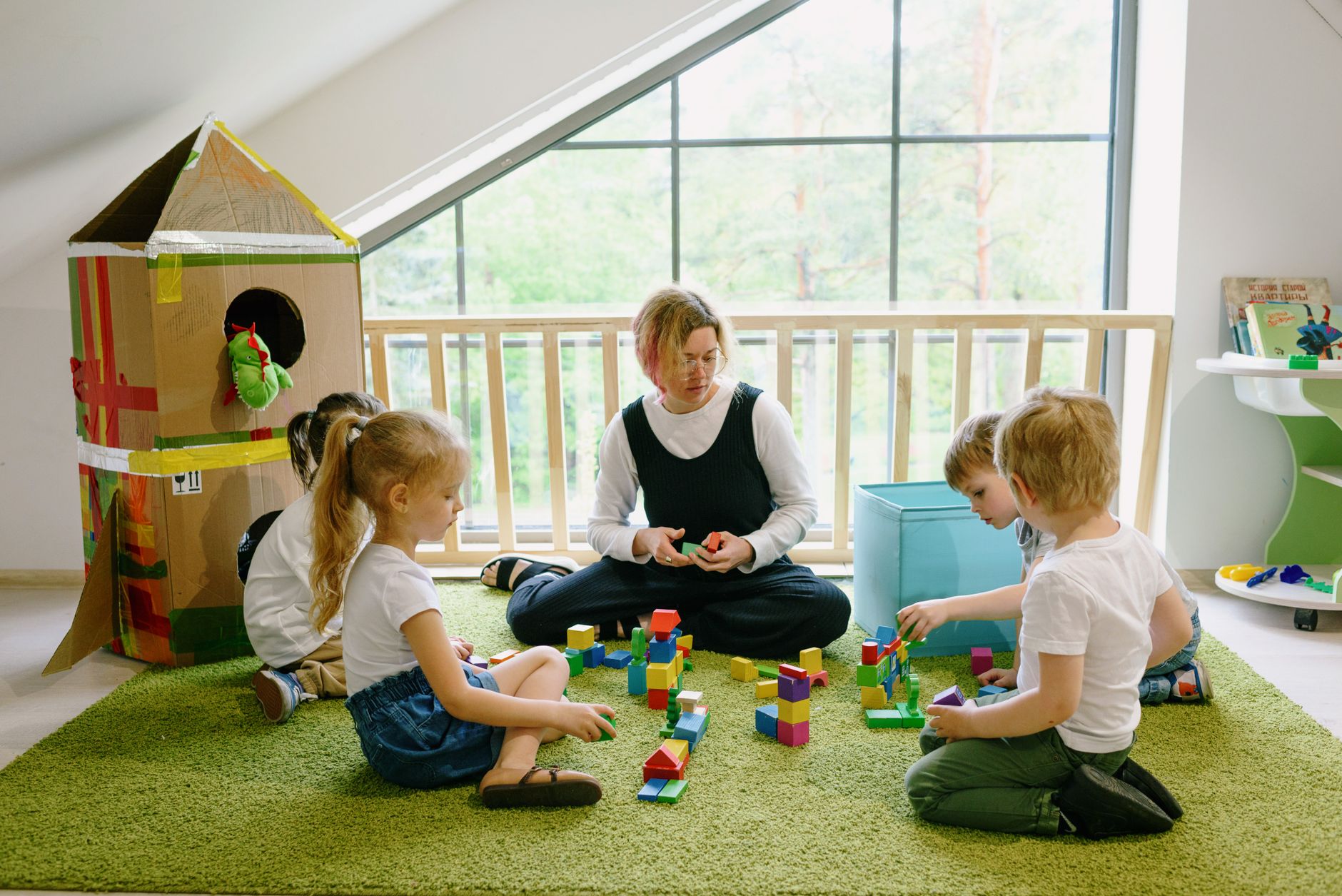
1. Introduction: Why Childcare Choice Matters
Choosing a childcare centre is one of the most important decisions parents make during early childhood. It affects a child’s emotional security, early learning, social skills, and daily routines, while also shaping how comfortably parents balance work and family life. Because of this, parents tend to carefully evaluate a wide range of factors before making a final decision. Preferences are rarely based on a single feature; instead, they reflect a combination of safety, education quality, communication, convenience, and trust in caregivers.
2. Safety and Emotional Security First
Safety is always the first concern for parents when selecting a childcare environment. Secure entry systems, well-supervised play areas, and trained staff are essential. However, emotional safety is just as important as physical protection. Children thrive in environments where caregivers are calm, responsive, and consistent. Centres that help children feel emotionally secure reduce separation anxiety and support healthier early development. Parents often remain loyal to centres where their child feels genuinely comfortable and cared for.
3. The Role of Qualified and Caring Educators
The quality of staff strongly influences parental preference. Educators who are trained in early childhood development understand how to support different learning styles and emotional needs. Parents look for caregivers who are not only qualified but also warm, patient, and attentive. A low staff-to-child ratio is especially valued because it ensures each child receives adequate attention. When educators build strong relationships with children, parents feel more confident leaving their child in their care each day.
4. Educational Approaches That Shape Preferences
Many parents prefer childcare centres that follow a structured educational philosophy rather than simple supervision. One widely respected approach is Montessori education, which encourages independence, hands-on learning, and self-directed exploration. In Montessori environments, children choose activities that match their interests, helping them develop confidence and problem-solving skills early on. Parents who value independence and practical learning often find this approach especially appealing.
5. Creative Learning and Exploration Models
Another popular educational philosophy is the Reggio Emilia approach. This method emphasizes creativity, collaboration, and exploration. Children are encouraged to express themselves through art, storytelling, and group projects. Parents who prefer this approach often appreciate how it nurtures curiosity and communication skills. The environment is typically designed to feel like a workshop of discovery, where children learn by engaging with materials, peers, and their surroundings in meaningful ways.
6. Flexibility for Modern Family Schedules
Today’s families often require childcare that fits into complex and unpredictable schedules. Parents prefer centres that offer extended hours, part-time attendance, and flexible booking options. This flexibility is especially important for shift workers or parents with long commutes. Centres that can adapt to occasional changes, such as emergency care or holiday coverage, are often seen as more practical and supportive. Flexibility reduces stress for families and ensures continuity of care for children.
7. Hygiene, Health, and Daily Care Standards
Cleanliness is another major factor influencing parental choice. Parents expect childcare environments to follow strict hygiene routines, including regular cleaning of toys, surfaces, and shared spaces. Clear illness policies and proper handwashing practices help reduce the spread of infections. Nutrition is also part of daily care standards, with many parents preferring centres that provide healthy meals or accommodate dietary restrictions. When health standards are visibly strong, parents feel more confident about long-term enrollment.
8. Communication Between Parents and Educators
Strong communication builds trust between families and childcare providers. Parents prefer centres that offer regular updates about their child’s progress, mood, and daily activities. Many centres now use digital apps, daily reports, and photo updates to keep parents informed in real time. Regular meetings between staff and parents also help address developmental concerns early. Transparent communication ensures that parents feel involved and reassured, even when they are not physically present.
9. Social Development and Group Interaction
Childcare centres play an essential role in helping children develop social skills. Through group activities, play-based learning, and shared routines, children learn how to cooperate, communicate, and resolve conflicts. Parents value centres that actively encourage kindness, inclusion, and empathy. These early social experiences help children prepare for school and later life. A well-structured social environment also helps children build confidence in interacting with peers from different backgrounds.
10. Childcare Centres and Holistic Development
Modern parents increasingly look for environments that support whole-child development. In this context, childcare centres are not just places for supervision but foundations for lifelong learning. Parents prefer centres that nurture emotional intelligence, creativity, physical activity, and cognitive growth together. This balanced approach ensures children are not rushed into academic pressure but instead develop naturally across multiple areas. Holistic development has become a key expectation in high-quality early education settings.
11. Cost, Value, and Long-Term Trust
Affordability remains an important consideration, even for families willing to invest in quality care. Parents compare fees carefully and evaluate what is included in the cost, such as meals, learning materials, and extracurricular activities. However, value is not only about price; it is about outcomes, trust, and consistency. Centres that provide reliable care, strong educational support, and positive experiences are often seen as worth the investment over time.
12. Conclusion: What Truly Defines Preference
Ultimately, parents prefer childcare centres that balance safety, education, emotional care, and communication. While philosophies like Montessori and Reggio Emilia shape learning expectations, practical needs such as flexibility, hygiene, and affordability remain equally important. The most preferred centres are those that build trust with families and create environments where children feel secure, valued, and encouraged to grow. In the end, the right childcare choice supports not only the child’s development but the well-being of the entire family.