
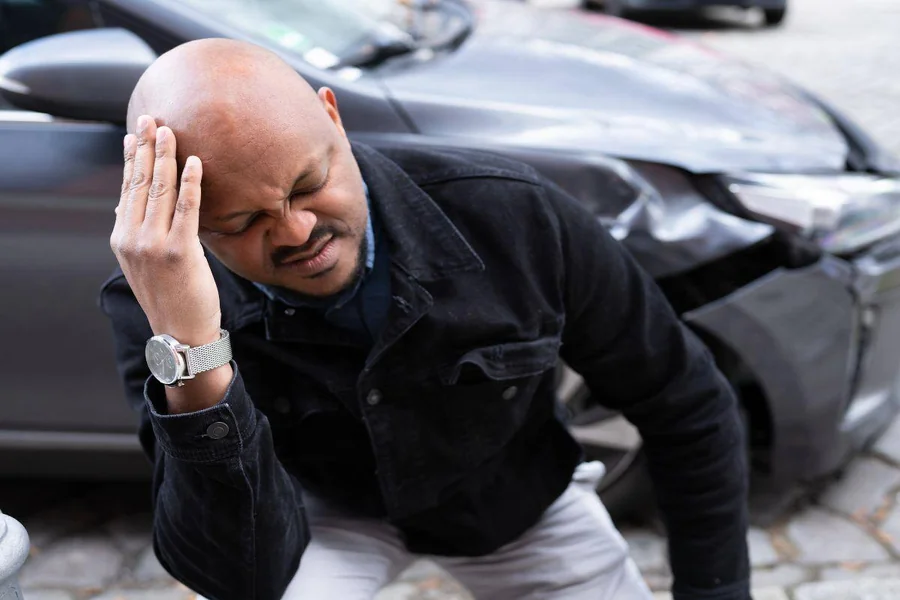
A car crash can change your life in one violent moment. The bruises fade. The stitches come out. You look “fine” to others. Yet your mind feels scrambled. You forget simple things. You snap at people you love. Lights and sounds hurt. Sleep stays broken. This is not weakness. This is a traumatic brain injury that can follow you for years. Many people never hear clear answers about what comes next. You may fear losing your job, your memory, or your sense of self. This blog explains how a brain injury from a car accident can affect your thinking, mood, and body long after the crash. It also covers how to track symptoms, seek steady care, and plan for work and family needs. If you need legal support, Wisconsin brain injury attorneys can help you protect your medical and financial future.
What Happens Inside Your Brain After a Crash
A car crash can force your brain to move hard inside your skull. The soft tissue hits bone. Nerve cells stretch or tear. Small blood vessels leak. You may pass out. You may feel confused or sick. Even a “mild” concussion can harm brain cells.
At first, doctors focus on life saving care. You might hear words like concussion or TBI. The force of the crash and the number of past head hits matter. Repeated hits raise your risk for long lasting problems. The Centers for Disease Control and Prevention explains basic TBI facts and safety steps at this CDC traumatic brain injury page.
Common Long-Term Symptoms You Might Face
Some symptoms fade in weeks. Others linger for months or years. You might see changes in three main parts of life.
- Thinking. Trouble with focus. Slow thinking. Short term memory loss. Hard time planning simple tasks.
- Mood. Sudden anger. Sadness. Worry. Loss of interest in people or hobbies.
- Physical. Headaches. Dizziness. Ringing in the ears. Light or noise sensitivity. Sleep problems.
These problems can rise and fall. Stress, illness, or another minor hit can set you back. Family members may feel confused by the change in your behavior. You may feel guilty or ashamed. None of this is your fault.
How Car Crash TBIs Compare Over Time
Not every brain injury looks the same. Yet crashes often lead to a pattern of symptoms that shift over time. This simple table shows how effects can change.
| Time After Crash | Typical Symptoms | Impact on Daily Life
|
|---|---|---|
| First week | Headache, nausea, confusion, fatigue, sleep changes | Need rest. Hard to work or attend school. Need help with rides and chores. |
| 1 to 3 months | Memory slips, poor focus, mood swings, light and sound sensitivity | Shortened work or school days. Strain in family roles. Less social time. |
| 3 to 12 months | Chronic headaches, ongoing sleep problems, anxiety, depression | Risk of job loss. Money stress. Need for counseling and rehab visits. |
| 1 year and beyond | Persistent memory and mood changes, fatigue, pain | Possible long term disability. Need for new routines and support systems. |
Hidden Consequences for Work, School, and Family
A TBI touches every part of life. You may look healthy yet feel broken inside. That gap can create deep strain.
- Work. You might forget tasks. You might miss deadlines. Noise in open offices may feel crushing. You may fear being seen as lazy or careless.
- School. Children and teens may fall behind. Reading can cause pain. Loud hallways can trigger headaches.
- Family. Roles shift. A partner may become a caregiver. Children may feel scared of your mood swings.
These changes can lead to lost income, higher medical bills, and social isolation. Early honest talks with your employer or school can protect your rights. Simple changes like quiet work space, shorter shifts, and written reminders can help.
Medical Care and Rehab That Can Help
You do not need to face this alone. A care team can include your primary doctor, a neurologist, a mental health provider, and rehab staff. They can help you build a recovery plan with three core parts.
- Physical recovery. Pain control. Balance training. Eye and ear checks. Sleep treatment.
- Cognitive rehab. Memory strategies. Focus training. Use of planners, alarms, and phone tools.
- Emotional support. Counseling. Peer groups. Treatment for depression, anxiety, or trauma.
The National Institute of Neurological Disorders and Stroke offers clear TBI information at the NINDS traumatic brain injury page. You can use this to prepare questions for your next visit.
Steps You and Your Family Can Take Now
After a car crash TBI, small steady actions matter. You can start with three steps.
- Track symptoms. Keep a simple daily log. Note headaches, mood, sleep, and memory slips. Bring this to every appointment.
- Protect your brain. Avoid new head hits. Use seat belts. Wear helmets for biking or sports. Limit risky tasks until cleared by a doctor.
- Build support. Share honest updates with family or trusted friends. Ask for help with rides, meals, or child care when needed.
You can also speak with your employer about needed changes. You can ask your child’s school for learning support. You can reach out to legal help if the crash was caused by someone else.
When to Seek Legal and Financial Help
Long term brain injury care can cost a lot. You may face lost wages, rehab bills, and home changes. If another driver caused the crash, legal support can help you seek money for care and lost income. That process can feel cold and complex when you are hurting.
Trustworthy legal help can explain your rights, speak with insurance companies, and guide you through each step. You deserve time to heal without carrying every burden alone.
Moving Forward After a Traumatic Brain Injury
A TBI from a car accident can steal routines, plans, and a sense of safety. Recovery is rarely quick. Yet with honest information, patient care, and strong support, you can build a new steady life. You can learn your triggers. You can guard your energy. You can find new ways to work, learn, and connect with the people you love.
You are not alone. Many families walk this hard road every day. Clear facts, steady treatment, and fair support can help you face the long term health consequences of traumatic brain injuries with courage and control.