
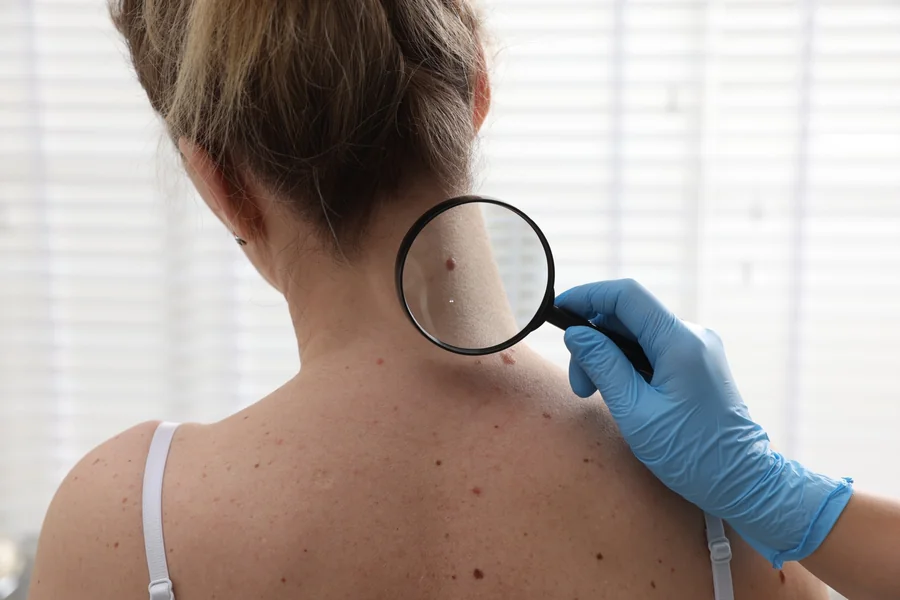
Seeing unusual spots on your skin can be upsetting, especially if they show up suddenly or look different than what you’re accustomed to. Many people aren’t quite sure if a mark on their skin is something completely normal or something more serious. Blood blisters and melanoma are a prime example. They can look fairly similar, so it’s not always easy to decide which one is which.
You don’t want to worry over a harmless blister, but you don’t want to ignore something as serious as melanoma, either. With that being the case, it’s important to understand the two and learn more about how to tell them apart. Read on for more information on the blood blister vs melanoma debate to help make things a bit clearer.
What Are Blood Blisters?
First, let’s talk about blood blisters. These come from trauma to the skin, like pinching or twisting. For more detailed information on skin conditions, check out primerevivalresearch.com. The force from those injuries is enough to break the blood vessels beneath the surface of the skin but not enough to break the skin itself. When those vessels rupture, blood pools just under the skin, which is what causes the blisters.
Blood blisters can be flat or raised, and they’re usually red, purple, bluish, or black. They’re often a bit tender at first. As they heal, their color fades, and the soreness subsides. Healing can take anywhere from a few days to a few weeks depending on the location, size, and severity of the blister.
What Is Melanoma?
Melanoma is a type of skin cancer. It develops in certain cells in the skin. Those cells are called melanocytes, and they’re what give your skin its color. With melanoma, melanocytes grow uncontrollably. That’s usually caused by excessive exposure to UV radiation. When the melanocytes start to grow abnormally, they cause unusual spots to form on the skin.
As is the case with blood blisters, melanoma can be flat or raised. It can appear brown, black, blue, reddish, purple, or a combination of those colors. Those similarities are the reasons why one is often mistaken for the other. Instead of fading over time the way blood blisters do, though, melanoma can get bigger and darker.
Key Differences Between Blood Blisters and Melanoma
Though blood blisters and melanoma can look similar, there are a few key differences between the two. As mentioned, melanoma gets worse over time rather than better. It can also change colors and shapes. Blood blisters are usually somewhat round with smooth edges whereas melanoma typically has rough edges and irregular shapes. While blood blisters get less sensitive as they heal, melanoma is usually painless at first, but it gets more painful as it grows.
When to See a Doctor for a Spot on Your Skin
If you’re not sure whether the spot on your skin is a blood blister or melanoma, you’re not alone. Many people mistake melanoma for blood blisters, bug bites, and even age spots just as quite a few worry that blood blisters are melanoma. You don’t want to panic over a simple injury, but you don’t want to ignore something that could be serious, either.
Blood blisters are the result of skin trauma, so try to remember if you’ve sustained any injuries in the area where your spot is. Look for a smooth, shiny surface and clearly defined edges as well. If those are present, it’s probably a blood blister. Rough edges, changing colors, and darkening rather than fading could indicate melanoma. Keep in mind that it’s always better to err on the side of caution. If you’re not sure that the dark spot on your skin is a blood blister, please don’t hesitate to schedule an appointment with your doctor.