
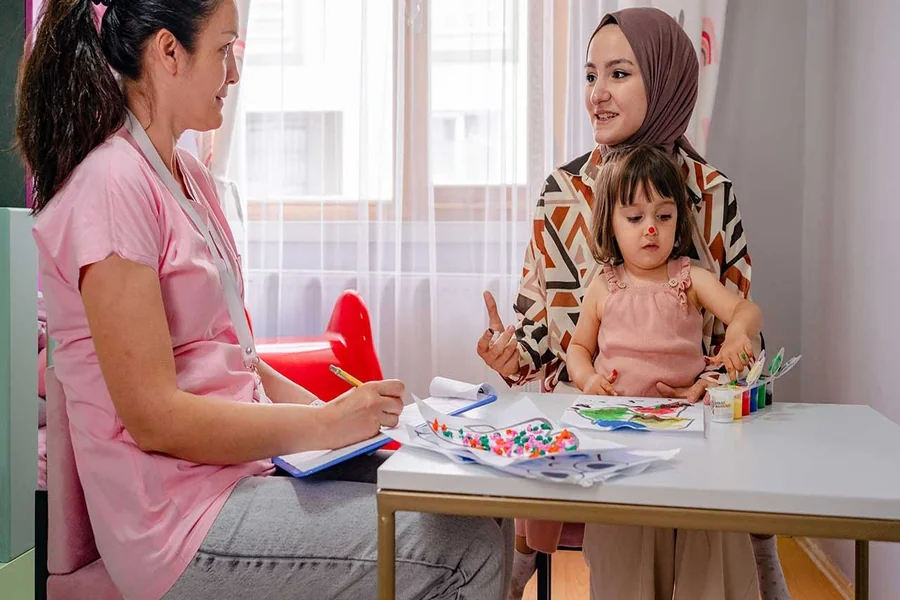
Children with neurodevelopmental disabilities often experience differences that affect communication, movement, learning, or social interaction. These differences can influence daily routines at home, school, and community settings. Early care choices and steady professional support can help strengthen abilities and confidence over time. When therapy aligns with natural strengths, progress often feels more comfortable and encouraging for families.
As care options continue to expand, families often explore structured plans that match unique needs. During early planning stages, neurodevelopmental disabilities treatment for child care emphasises thoughtful guidance, clear goals, and flexible methods that adjust as abilities change. This form of care helps establish a strong foundation without pressure or unrealistic expectations.
Individualised Therapy Plans for Meaningful Progress
Each child presents a unique combination of skills, challenges, and interests. Individualised therapy plans respect these differences and avoid generalised approaches. Specialists conduct detailed reviews of physical, emotional, and communication abilities before goal selection. Collaboration between therapists, educators, and caregivers ensures consistency across environments. Clear benchmarks help track progress and allow changes when needed. This approach promotes steady improvement while helping children feel supported at every stage.
Speech and Language Therapy for Clearer Communication
Speech and language therapy plays a key role for children who face challenges with expression or understanding. This therapy helps strengthen verbal skills, receptive language, and social communication.
Primary focus areas within speech therapy
- Sound clarity and word development
- Sentence structure and vocabulary use
- Social communication, such as eye contact and turn-taking
Sessions often feel structured yet engaging, which encourages participation and steady progress. Over time, children may show greater confidence during conversations and classroom interaction.
Occupational Therapy That Encourages Independence
Occupational therapy supports skills related to daily routines and school participation. These sessions address fine motor control, sensory awareness, and self-care tasks.
Skills are often addressed through occupational therapy
- Hand coordination and pencil control
- Sensory balance and body awareness
- Task focus and routine participation
Progress may appear through improved handwriting, smoother transitions between tasks, or greater comfort during classroom activities. These gains often boost confidence and independence.
Physical Therapy for Strength and Coordination
Physical therapy focuses on posture, balance, and overall mobility. Children who experience movement challenges often benefit from guided exercises that improve strength and coordination. Therapists design sessions that match each child’s ability level. As movement skills improve, participation in play and school activities often becomes easier and more enjoyable. Improved physical control may also reduce fatigue during daily routines.
Behavioural Therapy for Emotional Balance and Social Skills
Behavioural therapy supports emotional regulation, attention, and positive social habits. Structured strategies help children understand expectations and respond calmly to challenges. Predictable routines often provide comfort and stability. Caregivers receive guidance that helps reinforce these strategies at home and school. This shared approach supports emotional growth and healthier peer relationships over time.
Educational Therapy for Academic Confidence
Educational therapy addresses learning challenges related to attention, memory, and organisation. This form of support helps children develop academic skills at a pace that feels manageable. Sessions may focus on reading, math, or study habits based on individual needs. Clear structure and personalised strategies often help reduce frustration and build confidence within academic settings.
Neurodevelopmental disabilities treatment for child provides valuable pathways toward growth and confidence. Each approach addresses specific needs while contributing to overall development. Personalised care plans that respect individuality allow steady progress without unnecessary stress. With informed guidance, consistent support, and family involvement, children can reach meaningful milestones that enrich daily life and future opportunities.