
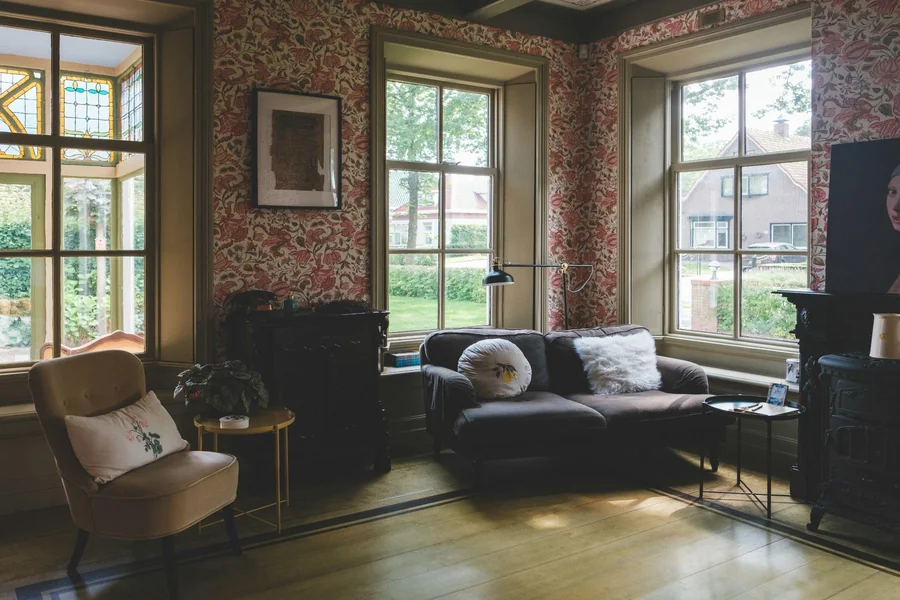
For years, striking a balance between sustainability, functionality, and aesthetics has been quite challenging. However, with the development of technology and new materials, sustainability became more accessible and more playful, allowing designers and homeowners to create spaces that are both warm, personal, and still sustainable. In the article below we share proven tips on how to create a sustainable home without sacrificing your personality and style.
Start With a Mindset
The most impactful sustainable homes begin with a change in perspective rather than an immediate overhaul. Instead of asking what is trending or what needs replacing, the better question is what already works. Reusing, repairing, and reimagining existing elements is often the most environmentally responsible choice and, unexpectedly, the most stylish one.
Original architectural details, worn floors, and inherited furniture carry a sense of authenticity that new pieces simply can not replicate. Patina has become a mark of sophistication, signaling a home that has evolved over time. By valuing what is already present, you reduce waste while creating spaces that feel grounded and emotionally resonant.
This mindset also encourages slower decision-making. Sustainability favors longevity over novelty, prompting choices that will still feel relevant years from now.
Choose Materials That Age Gracefully
One of the most reliable ways to create a sustainable and stylish home is to focus on materials that improve with age. Natural materials, such as wood, stone, clay, linen, and wool, develop character rather than deteriorate. Scratches, softening edges, and subtle color shifts all become part of the story.
Engineered or synthetic alternatives may promise uniformity, but they often lack the depth and resilience of natural options. Sustainable design does not demand rustic simplicity; instead, polished marble, refined timber, and carefully finished plaster can feel luxurious while remaining environmentally responsible when sourced thoughtfully.
Invest in Fewer, Better Pieces
One of the most transformative principles of sustainable living is learning to buy less but buy better. This applies especially to furniture. Fast furniture, much like fast fashion, comes at a high environmental cost and rarely delivers lasting satisfaction.
Investing in well-crafted pieces may require patience and a higher upfront cost, but the long-term benefits are undeniable. Solid wood tables, expertly upholstered sofas, and handcrafted cabinetry not only last longer but also anchor a space visually. They bring weight and permanence, allowing other elements in the room to remain light and flexible.
Let Color and Pattern Do the Heavy Lifting
Sustainability does not require a neutral palette. In fact, color and pattern are powerful tools for creating visual interest without excessive consumption. Paint, textiles, and decorative surfaces can transform a space dramatically while using relatively few resources.
Choosing pigments inspired by nature, such as clay reds, mossy greens, mineral blues, and warm neutrals, reinforces a connection to the environment without feeling literal. These hues tend to age better than trend-driven colors and work harmoniously with natural materials.
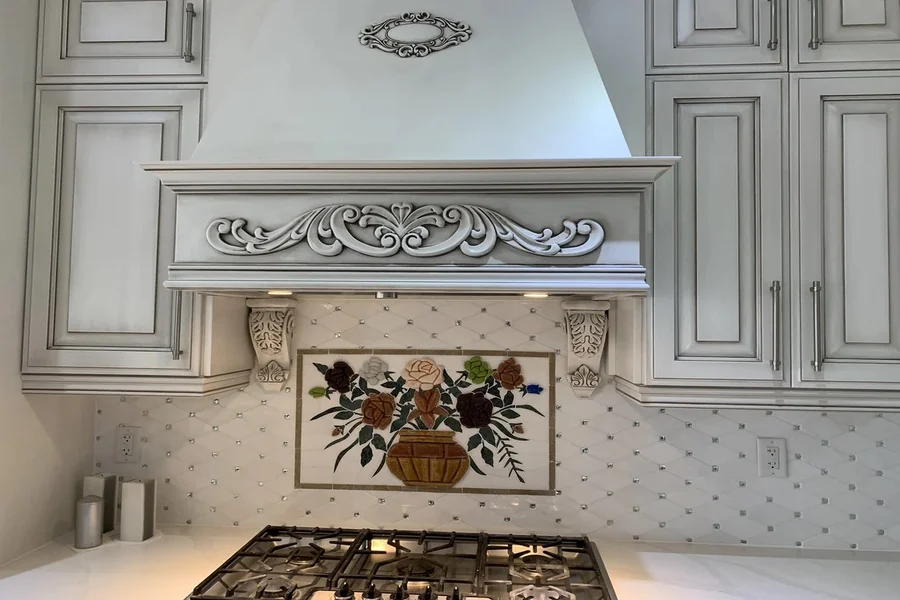
Pattern, too, has a role to play. A carefully placed floral mosaic can add artistry and depth to a kitchen backsplash or entryway floor, serving as a focal point that reduces the need for additional decoration.
Prioritize Energy Efficiency Without Visual Compromise
Energy efficiency is often associated with invisible upgrades, but it can also enhance comfort and aesthetics. Improved insulation, high-performance windows, and efficient heating systems create quieter, more evenly tempered spaces. A home that feels comfortable year-round naturally feels more inviting and refined.
Modern energy-efficient windows, for example, no longer sacrifice proportion or detail. Advances in manufacturing allow for slim profiles and elegant finishes that complement both contemporary and traditional architecture. Thoughtful lighting design, paired with energy-efficient fixtures, can transform how a space feels without increasing consumption.
These upgrades may not be immediately visible, but their impact is felt every day, reinforcing the idea that sustainability and luxury are not opposing concepts.
Embrace Craft and Artisanship
Craftsmanship sits at the intersection of sustainability and style. Handmade objects often use fewer industrial processes, support local economies, and carry a sense of individuality that mass-produced items lack. Incorporating artisanal work into the home adds narrative and texture while aligning with sustainable values.
From hand-thrown ceramics to woven textiles, these pieces create moments of intimacy and connection. Bespoke mosaic artwork, for instance, can function as both art and architecture, embedding creativity into the fabric of the home itself. Such elements resist trends because they are rooted in human skill rather than mass appeal.
Rethink What Luxury Means
The concept of luxury is slowly changing. It is no longer solely about rarity or expense, but about quality of experience. In sustainable homes, luxury is found in natural light, fresh air, tactile materials, and spaces that support well-being.
This shift allows for more meaningful design choices. Instead of oversized rooms filled with underused furniture, sustainability encourages purposeful spaces tailored to real life. A smaller, beautifully designed room that is used daily offers more value than a grand space that exists only for display.
Create Flexible Spaces That Adapt Over Time
A sustainable home anticipates change. Families grow, work patterns shift, and lifestyles evolve. Designing spaces that can adapt reduces the need for future renovations, which are often resource-intensive.
Flexible layouts, movable furniture, and multipurpose rooms allow a home to respond to changing needs. A guest room that doubles as an office or a dining area that can expand for gatherings exemplifies this adaptability. These choices do not compromise style; they enhance it by reflecting the realities of modern living.
Value Vintage and Pre-Owned Finds
One of the most stylish moves in contemporary design is the inclusion of vintage and pre-owned pieces. Beyond their environmental benefits, these items bring character and depth that new objects often lack. They introduce variation in scale, finish, and history, preventing interiors from feeling overly polished.
Vintage lighting, seating, or storage can anchor a room, providing contrast to newer elements. These pieces often showcase craftsmanship that is difficult to find today, making them both sustainable and aspirational.
Pay Attention to Indoor Air Quality
Sustainability is not only about environmental impact but also about personal health. Materials and finishes that off-gas harmful chemicals can undermine the comfort and safety of a home. Choosing low-toxicity paints, finishes, and furnishings improves indoor air quality without affecting visual appeal.
Many environmentally responsible products now rival or exceed conventional options in terms of finish and durability. Matte paints, natural oils, and water-based finishes offer subtle textures and depth while supporting a healthier indoor environment.
Use Plants as Living Design Elements
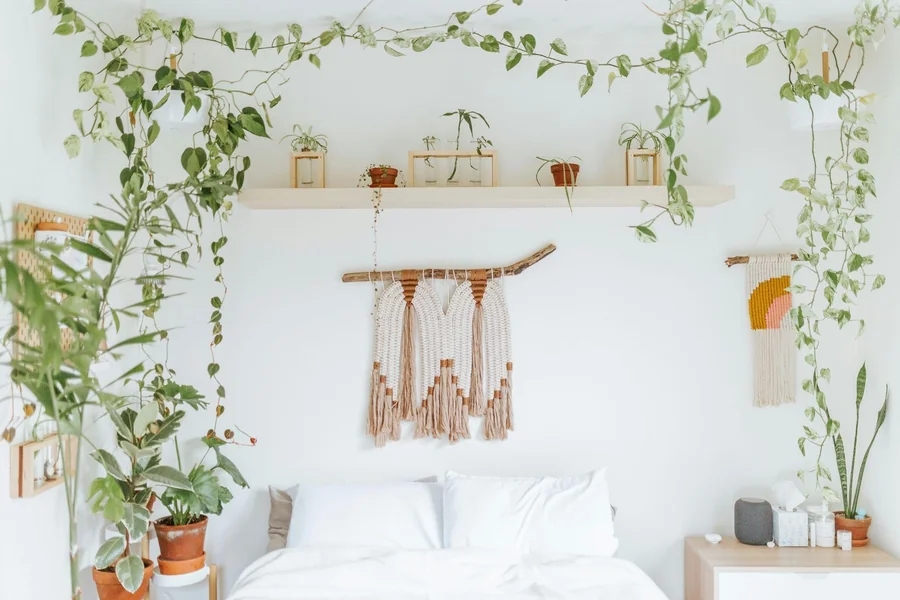
Plants have moved beyond decorative afterthoughts to become integral design elements. They soften architecture, introduce color, and improve air quality, all while reinforcing a connection to nature.
Thoughtfully placed greenery can define zones, frame views, and add vertical interest. Large plants create sculptural moments, while smaller groupings bring intimacy. The key is intention. Choosing the right plant for the right space ensures longevity and reduces waste.
Make Water-Conscious Choices That Feel Elegant
Water efficiency is an essential component of sustainable living, but it does not require sacrificing comfort or aesthetics. Modern fixtures offer refined designs alongside reduced consumption, blending seamlessly into high-end interiors.
In bathrooms and kitchens, thoughtful planning can minimize water use while enhancing visual harmony. Durable surfaces, efficient layouts, and quality fixtures contribute to spaces that feel calm and purposeful. Sustainability in these areas often goes unnoticed precisely because it works so well.
Design for Emotional Longevity
Perhaps the most overlooked aspect of sustainability is emotional durability. A home that feels deeply personal is less likely to be redesigned impulsively. When spaces reflect values, memories, and identity, they resist the pressure of constant change.
This is where storytelling becomes central to design. Objects collected over time, materials chosen for their meaning, and layouts shaped by daily rituals all contribute to emotional attachment. Sustainability thrives when people love their homes enough to care for them long-term.
A Home That Reflects Care and Consciousness
Creating a more sustainable home without sacrificing style is not a singular project but an ongoing process. It is shaped by choices large and small, from structural decisions to decorative details. What unites these choices is a commitment to thoughtfulness.
Sustainable design today is confident, expressive, and deeply human. It values beauty not as excess, but as a form of respect for resources, craftsmanship, and daily life. When approached with curiosity and intention, sustainability becomes a source of creativity rather than constraint.